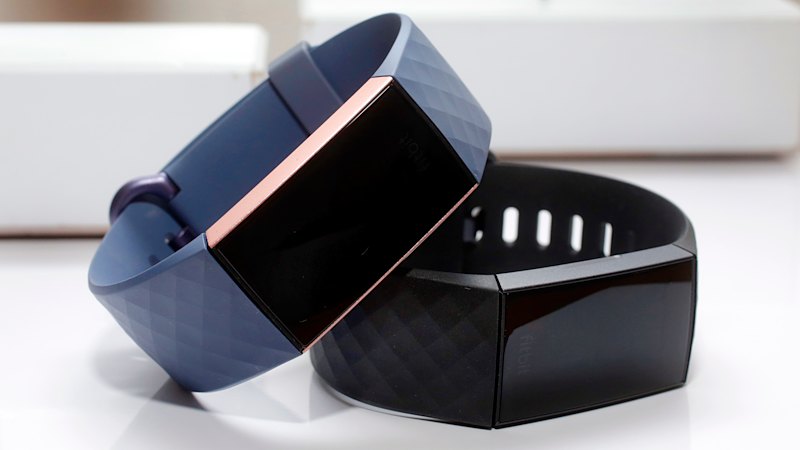
The global wearable technology market, valued at $US86.6 billion in 2024, is projected to grow to $US302.3 billion by 2034. This surge is largely driven by advancements in artificial intelligence, enabling wearables to deliver increasingly personalized health advice tailored to individual users. Professionals across various sectors are turning to these devices to enhance their health and performance, reflecting a growing trend that merges workplace efficiency with personal wellness.
As wearable technology continues to evolve, many are left wondering: can these devices truly provide personalized health insights? Some evidence suggests they can. Rob ter Horst, a bioinformatician from Austria who evaluates the accuracy of wearables on his YouTube channel, “The Quantified Scientist,” has found brands like Whoop and Oura offer recommendations that can rival those from medical professionals. Ter Horst shares an example where his device identified a late meal’s impact on his sleep, a connection he might not have made without the data.
Despite these promising developments, experts caution that we are still in the early stages. David Lipman, an Australian-trained doctor and scientific adviser in the health sector, notes that while wearables can offer solid, evidence-based advice, they are not yet capable of delivering highly personalized insights. He suggests that the future may involve grouping users into cohorts, allowing AI to provide tailored recommendations based on shared characteristics.
Current wearables claim to measure a wide array of health metrics, from stress and sleep patterns to cardiovascular strain. However, most devices primarily track two core metrics: movement and pulse. Other measurements, such as respiratory rate and sleep stages, are often estimates derived from these basic data points. Lipman emphasizes that errors can accumulate as devices move further away from direct measurements.
While wearables can accurately determine whether an individual is asleep or awake, they struggle with identifying specific sleep stages. A study published in October 2024 evaluated the accuracy of several popular devices, including the Oura Ring, Fitbit Sense 2, and Apple Watch Series 8. The results showed that these devices correctly identified sleep status at least 95 percent of the time but only accurately measured sleep stages between 50 percent and 87.8 percent of the time.
The review also highlighted that wearables have varying degrees of accuracy across different health metrics. For example, heart rate accuracy has a mean absolute error of ±3 percent, while cardiac arrhythmia detection boasts a remarkable sensitivity of 100 percent. Conversely, VO2 max measurements remain unreliable, with a margin of error reaching ±15.24 percent.
Yet, the question remains: does tracking this data lead to better health outcomes? Research indicates that monitoring health metrics can indeed foster improvements. A study showed that individuals wearing their fitness bands daily averaged 20 minutes more sleep per night than those who did not. However, the study’s observational nature raises questions about whether the wearable itself or other lifestyle factors contributed to these outcomes.
Some studies have even suggested that wearables can have adverse effects. A 2017 paper in the *Journal of Clinical Sleep Medicine* discussed “orthosomnia,” a term coined for individuals striving for optimal sleep based on tracker feedback, which can lead to anxiety and worse sleep quality. Similarly, a 2021 study found that negative feedback from fitness apps could negatively impact daytime functioning.
Experts advise users to approach wearable data with caution. Ter Horst suggests treating data as a guideline rather than absolute truth. He emphasizes the importance of combining wearable data with personal feelings and experiences. For instance, if a user’s resting heart rate is elevated but they feel fine, it may be reasonable to continue exercising.
Lipman offers two key pieces of advice: avoid wearables if they induce anxiety, and focus on addressing specific health issues rather than choosing devices based on trends. He underscores that the goal should be to use wearables to better understand one’s body, not to become overly reliant on technology for health management.
As wearable technology becomes increasingly intertwined with health management, users are encouraged to maintain a balanced perspective. While devices like Whoop are integrating features that allow users to upload blood test results and receive AI-driven health advice, experts stress that such tools should not replace consultations with healthcare professionals.
When considering which wearable may be best suited for individual needs, Ter Horst suggests that it depends on specific goals. For sleep tracking, devices like the Google Pixel Watch, Apple Watch, and Oura are recommended, although battery life may be a limitation for those who wish to track sleep nightly. For overall health tracking and user experience, Whoop and Oura are praised for their ability to simplify complex data for users. For sports enthusiasts, brands like Garmin, Suunto, Coros, and Polar are favored for their superior battery life and focus on performance metrics.
In summary, while the wearable technology market is poised for significant growth, users should remain discerning about the data these devices provide. As the technology evolves, so too will the potential for wearables to enhance personal health and wellness.