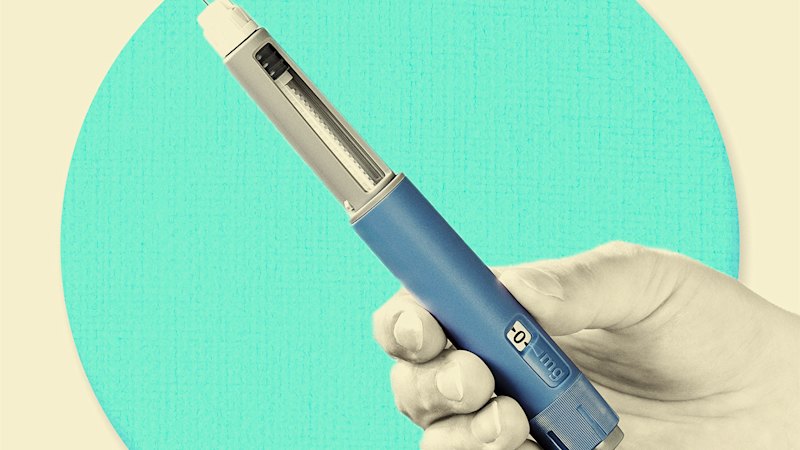
The World Health Organization (WHO) has officially endorsed the use of GLP-1 medications, including Ozempic, as effective treatments for obesity. This announcement coincided with a safety alert from Australia’s medicines regulator regarding potential risks associated with these drugs. The WHO’s guidelines, published in the Journal of the American Medical Association, advocate for the incorporation of GLP-1 therapies into comprehensive weight management programs that also emphasize exercise, diet, and counseling.
Despite the WHO’s endorsement, access to these medications remains limited in Australia. Currently, no GLP-1 therapy is subsidized under the Pharmaceutical Benefits Scheme (PBS), which means many individuals struggling with obesity cannot afford these treatments, often costing hundreds of dollars per month. The WHO estimates that even if production were to increase significantly, only about 10% of those needing these therapies would benefit by 2030.
Global Obesity Crisis and Treatment Accessibility
Obesity directly affects over 1 billion people worldwide, with projections suggesting that this number could double by 2030. The associated healthcare costs are staggering, estimated at US$3 trillion annually. The WHO’s director-general, Tedros Adhanom Ghebreyesus, emphasized that while medication alone cannot resolve the obesity epidemic, GLP-1 therapies can play a crucial role in helping millions manage their weight and reduce health risks.
In Australia, where obesity rates have been steadily rising, more than 66% of adults and 26% of children and adolescents were reported to be living with overweight or obesity in 2022, according to local health data. This growing crisis has prompted calls for broader access to GLP-1 treatments, which include Wegovy and Mounjaro, both approved for weight management but not subsidized under the PBS.
Doctors can prescribe these medications through private scripts, yet this option remains financially prohibitive for many. For example, Wegovy costs between $199 and $350 per month, while Mounjaro is priced between $345 and $364.
Advocacy for Change and Medical Community Response
Pharmaceutical companies like Novo Nordisk and Lilly are actively pursuing PBS listings for their GLP-1 medications, arguing that subsidies are essential for equitable access to obesity treatments. In March 2023, Australia’s Federal Health Minister Mark Butler reached out to the Pharmaceutical Benefits Advisory Committee for guidance on improving access to these therapies.
Research from the University of Sydney indicates that approximately half a million Australians are currently using GLP-1 medications, with nearly half obtaining them through private prescriptions. However, there are concerns among healthcare professionals and diabetes advocates that a substantial number of patients may not have a legitimate medical need for these drugs.
The WHO’s new guidelines represent a shift in how obesity is perceived, moving away from viewing it as merely a lifestyle issue towards recognizing it as a chronic disease requiring ongoing management. This evolution in understanding may help reduce the stigma associated with obesity and encourage more comprehensive treatment approaches.
As the conversation around obesity and its treatment continues, health authorities and pharmaceutical companies alike are urged to collaborate in creating a sustainable and accessible healthcare framework for those affected by this global health challenge.
On a related note, the Therapeutic Goods Administration (TGA) in Australia has updated its product warnings for all approved GLP-1 medications. Physicians are now advised to monitor patients for any mood changes or suicidal thoughts, although the TGA noted there is insufficient evidence linking these medications to such behaviors.
With the WHO’s endorsement and ongoing discussions surrounding access and affordability, the landscape for obesity treatment in Australia may be poised for significant change in the near future.