
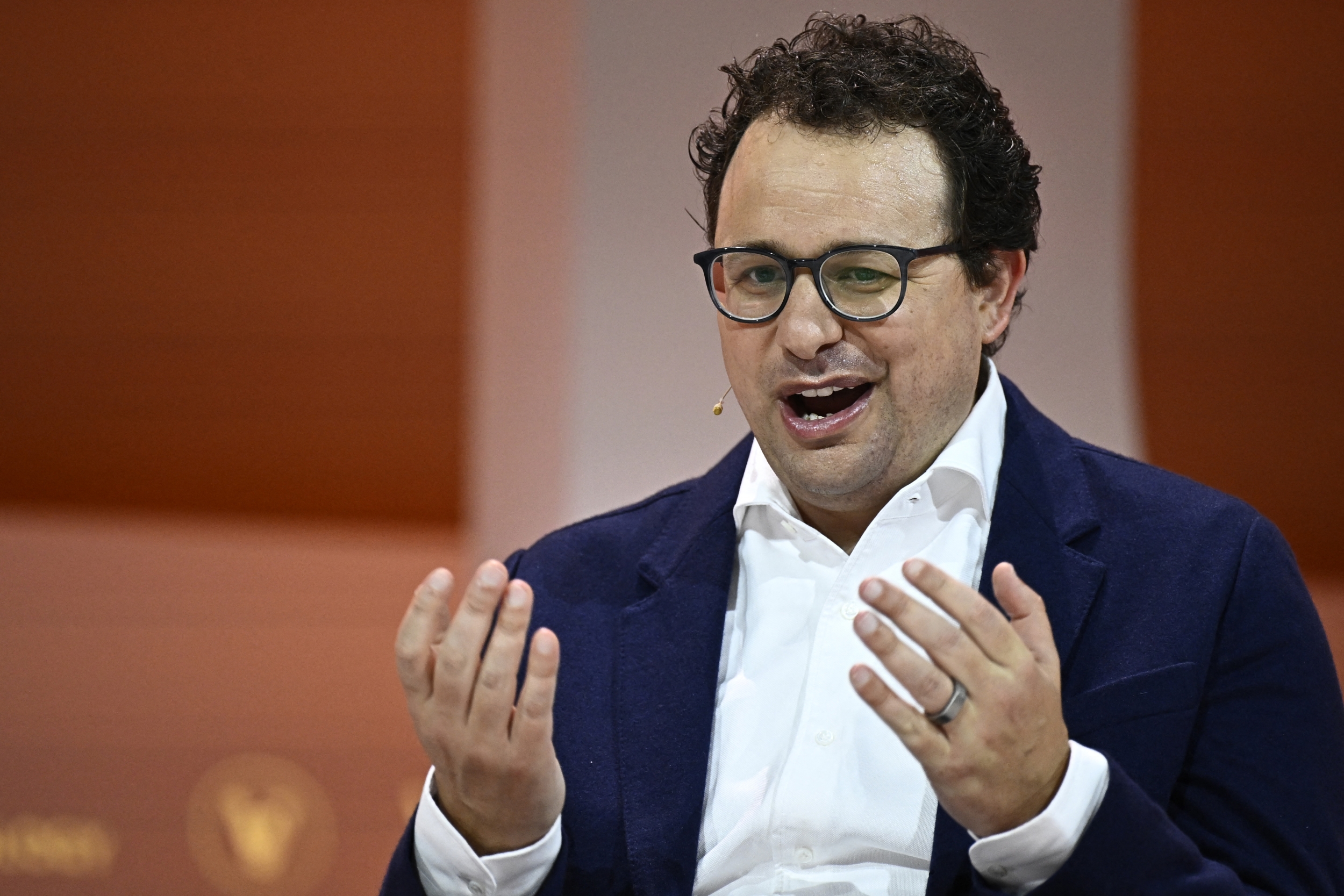
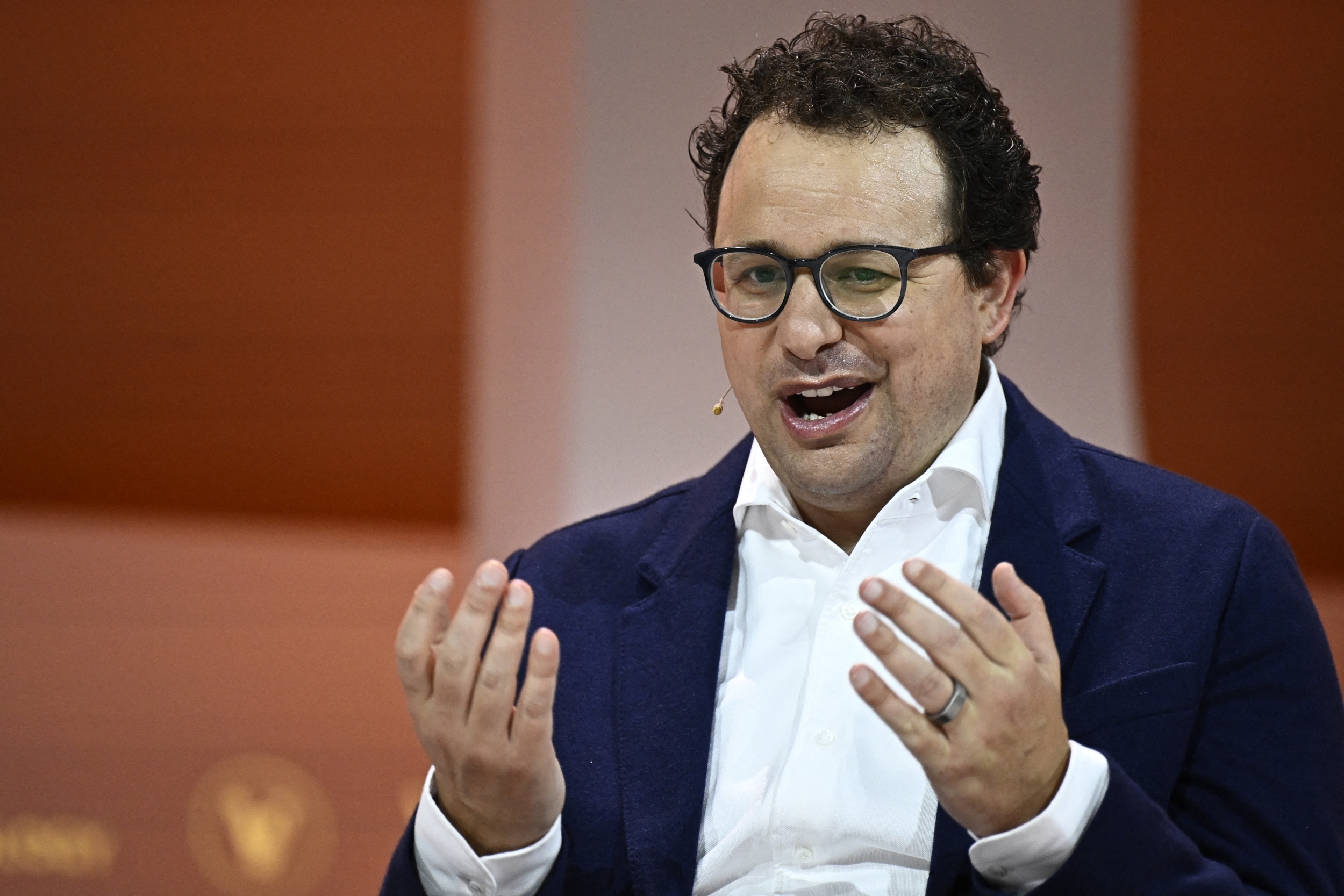
Research conducted by the University of Queensland reveals that women without children are significantly more likely to seek mental health support compared to mothers. The study, led by Dr. Chuyao Jin from the university’s School of Public Health, analyzed data from over 6,000 women and found that the percentage of childless women using mental health services increased from 7.4 percent in 2007 to 16.5 percent in 2022.
Dr. Jin stated, “Our findings also showed that women who were voluntarily without children or experiencing medical infertility had 1.3 times higher odds of seeking mental health support each year than mothers during their child-bearing years.” This research highlights a growing trend in mental health service utilization among women, regardless of their parental status, with overall service use rising from 6.3 percent in 2007 to 13.5 percent in 2022.
The study draws upon data from the Australian Longitudinal Study on Women’s Health, which tracked women born between 1973 and 1978 from their early 20s to late 40s. Dr. Jin noted that a total of 3,391 women, or 53.3 percent, accessed mental health services at least once during the study period.
### Demographic Shifts and Mental Health
As global fertility rates decline—dropping from 4.8 births per woman in 1950 to 2.2 per woman in 2021—understanding the health implications of this shift becomes increasingly important. In Australia, 16.1 percent of women aged 45-49 were without children as of 2021. Dr. Jin emphasized that while numerous studies have linked childlessness to poorer mental health outcomes, few have investigated the use of mental health services based on motherhood status.
The study categorized women into four distinct groups: mothers (84.3 percent), women voluntarily without children (3.8 percent), women experiencing medical infertility (5.6 percent), and women without children due to social infertility, such as lacking a suitable partner (6.3 percent).
Despite the increase in service access, Dr. Jin expressed concern that “service uptake does not necessarily mean the mental health service’s treatment is effective.” She stressed the need to focus on whether these services adequately address the diverse needs faced by women without children.
### Social Pressures and Support
Professor Gita Mishra AO, Centre Director of the Australian Women and Girls’ Health Research Centre, highlighted that many women without children often face greater social pressures and potential social exclusion compared to their peers who are mothers. “During this time of the year, many women face stress with family and friends, but for women who are involuntarily childless, it can be isolating and difficult, and it’s important to know that support is available,” Professor Mishra said.
She advised that women seeking mental health support can arrange an appointment with a general practitioner (GP) and request a subsidized Mental Health Treatment Plan, which can cover up to ten sessions per year.
The findings of this research are detailed in the Journal of Affective Disorders, contributing to the understanding of mental health dynamics among women in contemporary society. As awareness of mental health needs continues to grow, this study underscores the importance of tailored support services for diverse populations, particularly those without children.