



Calls have intensified in Australia to expand the scope of the Commonwealth Royal Commission on Antisemitism to include all forms of hate crimes that threaten social cohesion. Advocacy groups argue that the current focus on antisemitism alone is insufficient to address the broader landscape of hate-based violence and discrimination.
The push for a wider investigation comes after numerous incidents of hate crimes across various communities. According to recent data from the Australian Bureau of Statistics, hate crimes have seen a significant spike, with reports indicating a rise of over 30% in the last year alone. This alarming trend has prompted calls for a comprehensive approach to tackle all forms of hate, including racism, Islamophobia, and violence against the LGBTQ+ community.
Advocacy organizations have mobilized to gather support for the initiative, stating that a royal commission encompassing all forms of hate would provide a more holistic understanding of the issues at hand. They emphasize that examining the intersections between different types of hate can lead to more effective policy recommendations and community responses.
Government Response and Next Steps
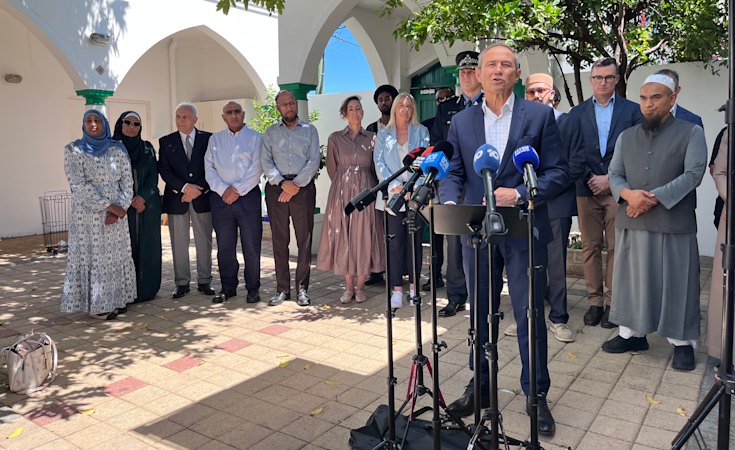
The Australian government has yet to respond officially to these calls for an expanded inquiry. However, Minister for Home Affairs, Clare O’Neil, acknowledged the seriousness of the situation during a recent press conference, stating, “We must confront all forms of hate in our society. Every individual has the right to live free from violence and discrimination.”
The current royal commission, which was established in response to growing antisemitic incidents, is expected to release its findings in June 2024. Advocates believe that incorporating a broader scope could influence the commission’s recommendations and shape future legislation aimed at improving community relations and safety.
Community Impact and Perspectives
Community leaders have voiced their support for the expansion, highlighting personal experiences that reflect the pervasive nature of hate crimes in society. Dr. Amanda Smith, a sociologist specializing in social cohesion, noted, “Hate affects not just the targeted individuals but the entire community fabric. It is essential to address these issues collectively.”
As discussions continue, various community forums are being held to gather insights and testimonies from individuals affected by hate crimes. These forums aim to provide a platform for voices that often go unheard and to advocate for systemic changes that can foster a more inclusive society.
The movement to expand the royal commission represents a growing recognition that addressing hate in all its forms is crucial for building resilience and unity within Australia’s diverse communities. As the situation evolves, stakeholders remain hopeful that the government will heed their calls and act decisively to combat hate in all its manifestations.