


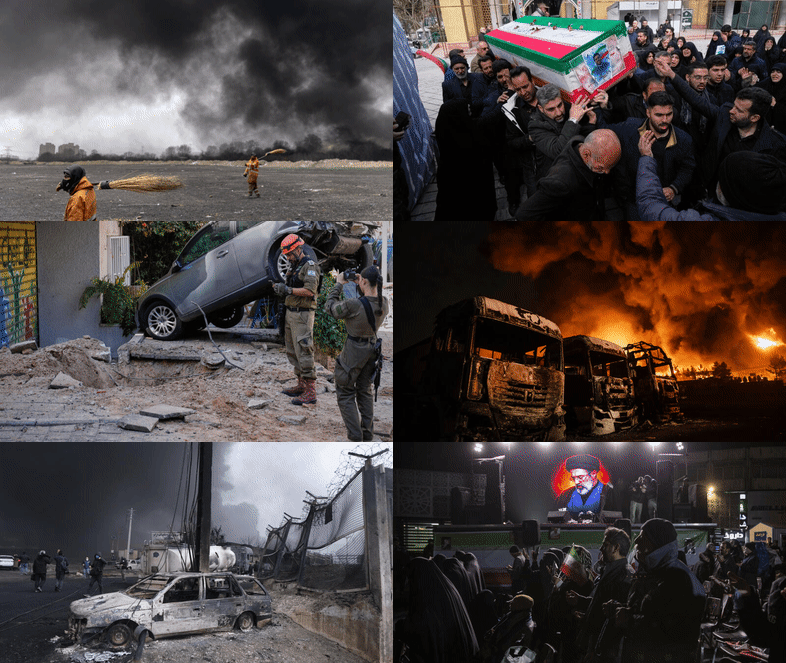
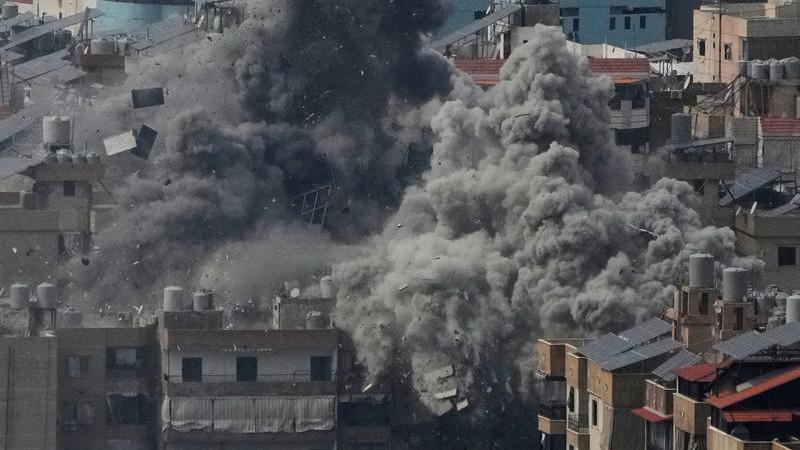
The Australian government is under intense scrutiny regarding its commitment to transparency in the context of the ongoing conflict involving Iran. Foreign Affairs Minister Penny Wong has publicly stated that any support from Australia to the Middle East will align with national interests and will not involve deploying ground troops into Iran. “This is not Iraq,” Wong emphasized, distinguishing the current situation from previous military engagements. However, concerns are growing about the true extent of Australia’s involvement, especially given the country’s commitments under the AUKUS agreement and the presence of Australian naval personnel embedded in U.S. operations.
Despite assurances of transparency, the government has faced criticism for what many see as a lack of clarity. Recent events have only intensified these doubts. Following the sinking of an Iranian warship by a U.S. submarine, Wong was evasive when asked if Australian personnel were aboard, citing operational and security reasons for not disclosing information. It was only after Prime Minister Anthony Albanese confirmed that three Royal Australian Navy members were indeed stationed on the submarine that the public learned the truth.
The government’s messaging further complicates the narrative. Albanese stated that “no Australian personnel have participated in any offensive action,” raising questions about the definition of participation. If stationed on a submarine that carried out a strike, does that count as involvement? Critics suggest that such language could be seen as an attempt to downplay Australia’s role in the conflict.
Moreover, the recent landing of two U.S. high-tech P-8 Poseidon surveillance planes at RAAF Base Pearce has sparked further inquiries. Both Australian and U.S. officials refrained from commenting on the reason for their presence, while the Australian Defence Department redirected all queries to the U.S. This lack of accountability has only fueled skepticism among the public and opposition parties.
Another point of contention is the Harold E Holt naval communications facility, located in remote northwest Australia. The Defence Department has not clarified whether this facility supported the U.S. submarine’s operations. In private discussions, Defence Minister Richard Marles reportedly expressed optimism that the conflict would last “weeks, not months.” This contrasts sharply with statements from Iran’s Revolutionary Guards, who claim they can sustain intense warfare for at least six months.
As the government navigates this complex situation, the definition of “transparency” continues to be challenged. Critics argue that while Australia may not be directly engaged in offensive operations, the presence of its sailors on vessels involved in military actions raises significant ethical questions. With bases hosting foreign military aircraft and personnel embedded in U.S. operations, many Australians feel that a more candid approach is necessary.
If the Albanese government wishes to foster trust with its citizens, a clearer and more open dialogue around Australia’s military commitments is essential. The current level of secrecy surrounding military operations not only breeds skepticism but also undermines public confidence in the government’s handling of foreign affairs. As the situation evolves, the call for a brighter spotlight on these matters grows louder.