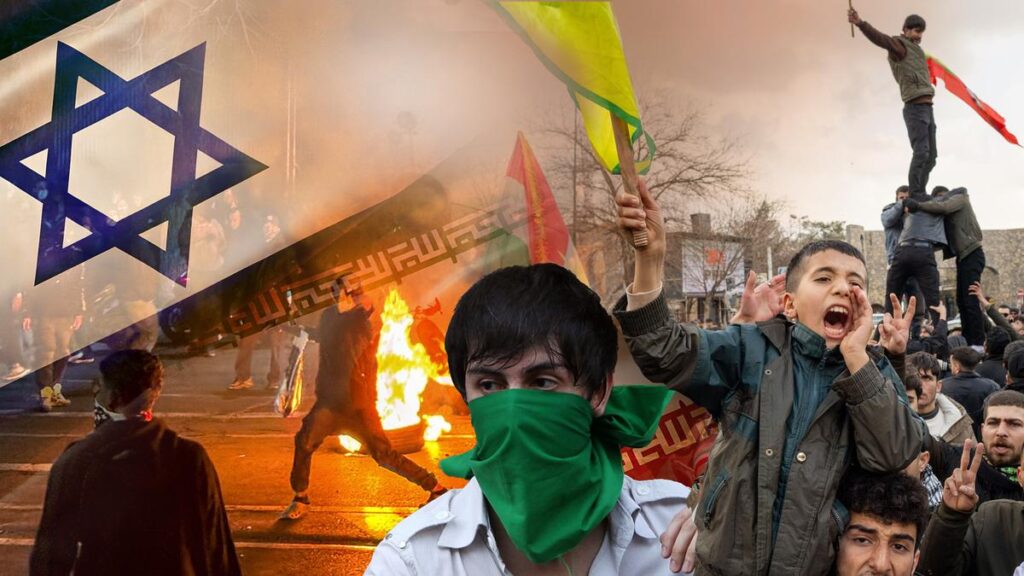
Anti Zionist llustration: Don Lindsay
The recent silence from the anti-Zionist movement regarding the violence against Iranian protesters has attracted significant attention. As the Iranian regime continues to suppress dissent, many observers note that this movement appears not only indifferent but also actively hostile to the Iranian anti-regime protests.
Several factors contribute to this troubling dynamic. The anti-Zionist movement, which includes a diverse array of far-left groups and Islamist factions, typically prioritizes a relentless campaign against Israel. In their view, the Iranian regime serves as a crucial ally in this struggle. Consequently, any opposition to that regime is often seen as a threat to their broader objectives.
Protests and the Movement’s Response
In June 2025, reactions to military strikes by Israel and the United States against the Iranian regime highlighted this phenomenon. Organizations like the Australian Friends of Palestine Association (AFOPA) organized a “Hands Off Iran” rally in Adelaide. Similarly, the Australia Palestine Advocacy Network (APAN) publicly condemned these strikes. A notable instance of this overlap occurred during an anti-Zionist march in Sydney in August 2025, where a protester was seen holding up an image of Supreme Leader Ali Khamenei.
Despite a significant decrease in violence and casualties in Gaza following an October ceasefire, anti-Zionist activists largely ignored this positive development. Many leaders within the movement continued to advocate for ongoing protests, seemingly dissatisfied with the reduction in hostilities. This reflects a deeper concern that a less violent Gaza could undermine Israel’s isolation and hinder the anti-Zionist cause.
The perception of Iranian protesters also plays a critical role in shaping the movement’s stance. For many in the anti-Zionist camp, protesters in Iran represent a distraction, rather than allies. Some activists have gone so far as to suggest conspiracy theories implicating the United States or Israel in the Iranian protests, while others acknowledge the legitimacy of the grievances but argue that such issues should not detract from the goal of opposing Israel.
The Implications of Silence
This complex relationship raises questions about the motivations of prominent anti-Zionist activists. Figures such as Susan Abulhawa, a Palestinian-American activist, have made statements that reflect a preference for the Iranian regime, referring to it as a bulwark against “evil forces.” While some activists may not openly endorse the regime, there is a notable trend of tactical silence regarding the situation in Iran.
For instance, one leading anti-Zionist figure who previously appeared on Iran’s Press TV, sanctioned by Australia in September 2023, has not commented publicly since the protests began. Others have only referenced Iran to criticize the Australian government or perceived adversaries. Notably, those who identify as feminists within the anti-Zionist movement have not condemned the Iranian government’s treatment of women or the “Women, Life, Freedom” protests that emerged after the death of Mahsa Amini in September 2022.
The overarching narrative from within the anti-Zionist movement suggests a willingness to overlook the suffering of Iranian citizens if it serves their larger agenda. Many activists seem prepared to accept the brutal consequences faced by Iranians as a necessary sacrifice in their battle against Israel. This troubling attitude raises ethical questions about the priorities of those who espouse a commitment to human rights while remaining silent in the face of widespread atrocities.
The silence of the anti-Zionist movement during these critical moments indicates a complex interplay of ideological commitment and strategic calculations. As protests in Iran continue to unfold, the responses, or lack thereof, from prominent activists may further illuminate the priorities and allegiances that define the contemporary landscape of anti-Zionism.
Oved Lobel serves as a policy analyst at the Australia/Israel & Jewish Affairs Council (AIJAC), providing insights into the implications of these events for both Iranian citizens and the wider geopolitical landscape.