
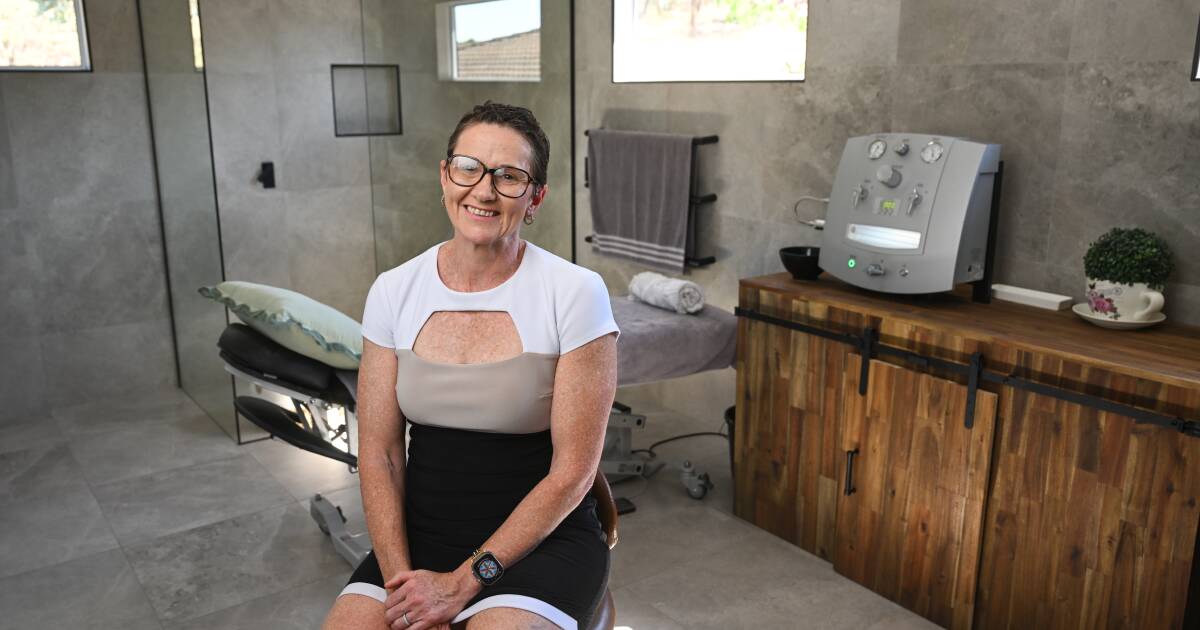



Liz Allen, a senior lecturer at the Australian National University (ANU), has publicly stated that the university is refusing her legal funding for an ongoing investigation, despite her belief that she is entitled to such support. This assertion comes amid serious allegations against ANU leadership, including claims of bullying by ANU Chancellor Julie Bishop.
In August 2025, Dr. Allen presented her case during a Senate Estimates Committee hearing, where she detailed her experiences, including contemplating suicide and suffering a miscarriage shortly after alleged incidents in February 2025. These distressing claims led to her resignation from the ANU Council in April 2025, due to concerns regarding the university’s governance.
Seeking financial assistance to cover her legal costs, Dr. Allen requested support from ANU. Although the university provided her with $8,000 for legal expenses in late 2025, she noted that this amount only covered a small fraction—about 10 percent—of her projected total legal fees, which she estimates could reach $100,000 once the investigation concludes. The conditions attached to this funding limited its use to obtaining advice about her rights and responsibilities, without the provision for ongoing legal counsel.
Dr. Allen’s legal representatives argued in December that the ANU’s refusal to cover her full legal costs places her at a disadvantage, particularly in her interactions with Chancellor Bishop. They expressed concerns regarding ethical obligations, stating, “It has not been possible to discharge our ethical duties to our client without exceeding the bounds of the support offered by the ANU.”
Despite these claims, the ANU informed Dr. Allen that she would not receive additional funding. This decision raises questions about a deed of indemnity she signed in 2022, which purportedly covers all liabilities incurred during her tenure as a council member. The indemnity is irrevocable and unconditional, even in the event of resignation or removal from the council.
In response to the ongoing situation, ANU’s interim vice-chancellor, Rebekah Brown, addressed the Senate Estimates Committee in early February, stating that it is unusual for universities to provide legal or financial support to witnesses making allegations against them. She noted that the university is currently reviewing available insurance options for council members.
The investigation into the allegations raised by Dr. Allen has been assigned to Vivienne Thom, who was appointed to evaluate the concerns expressed. The inquiry is expected to conclude in April 2026, following an extension request from Dr. Thom.
As this case unfolds, the implications for both Dr. Allen and the ANU highlight critical issues surrounding governance, employee support, and institutional accountability. A spokesperson for the ANU declined to comment further due to the ongoing investigation and privacy obligations.
For individuals facing similar distress, support services are available, including Lifeline at 13 11 14 or Beyond Blue at 1300 22 4636.