


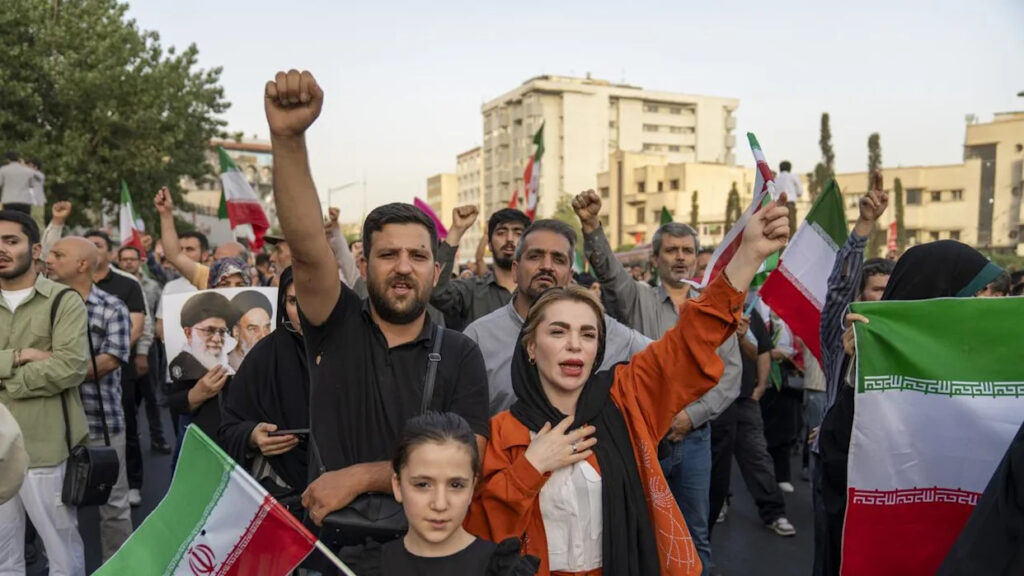
The Australian government has condemned the violent suppression of protesters by Iranian authorities during a wave of unrest that has spread across the country. At least seven individuals have reportedly lost their lives in anti-government demonstrations, which erupted on December 29, 2022, following a significant currency crash. Initially sparked by merchants closing their stores in Tehran, the protests quickly evolved into a broader movement against the Iranian regime, with many accusing it of corruption and mismanagement of essential resources like water.
In an official statement, a spokesperson from the Department of Foreign Affairs and Trade emphasized Australia’s commitment to advocating for human rights in Iran. “The Australian government condemns violence by Iranian authorities and calls on Iran to respect the rights of peaceful protesters,” the spokesperson stated. They added that the Albanese administration has consistently raised concerns regarding human rights abuses and foreign interference in Australia, directly addressing these issues with Iranian officials.
Increased Sanctions and Diplomatic Actions
The spokesperson highlighted the “strong action” taken by the Albanese government, which has included enhancing Australia’s Autonomous Sanctions Framework. This framework allows the government to impose sanctions on individuals and entities involved in domestic oppression. Since September 2022, Australia has sanctioned over 200 Iranian-linked individuals and entities, including almost 100 officials connected to the Islamic Revolutionary Guard Corps (IRGC).
Tensions have escalated to the point where Iran’s ambassador to Australia, Ahmad Sadeghi, was ordered to leave the country in August 2023. This action followed allegations from the Australian Security Intelligence Organisation (ASIO) that the Iranian regime orchestrated attacks on Australia’s Jewish community in major cities like Sydney and Melbourne.
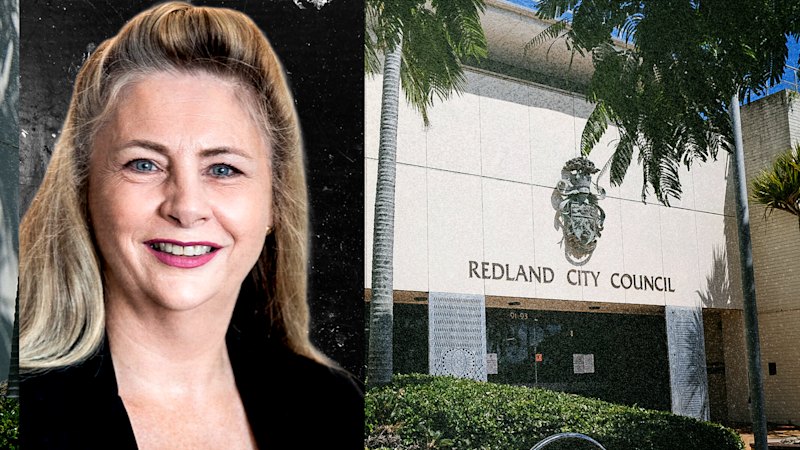
Independent councillor Tina Kordrostami, who was born in Iran and previously served with the Greens, has called on the Australian government to maintain the closure of the Iranian embassy and remain vigilant regarding businesses with ties to the Iranian regime. “We obviously need to keep looking to all the different key players that still have access to Australia who are operating within the regime,” she remarked. Kordrostami expressed concern that individuals associated with the Iranian government and their families are entering Australia without restrictions.
The Iranian Diaspora’s Response
Among the Iranian diaspora in Australia, there is a sense of hope that the current protests could signal a potential change in Iran’s political landscape. Despite the community’s increasing divisions, there is a unified desire to support those protesting back home. “It’s to the point where we’re all biting our nails,” Kordrostami noted. She explained that while past years saw large protests organized by the diaspora, the current sentiment is one of solidarity with those in Iran who are risking their lives to stand against the regime.
Kordrostami encouraged the diaspora to focus on unity rather than divisions among various political factions. “We need to show them that we back them up no matter what,” she stated, reinforcing the importance of collective support in these critical times.
Historically, Iran’s clerical establishment has faced numerous challenges since it seized power from the US-backed Shah in 1979. The regime has survived multiple uprisings, including the protests following the controversial re-election of President Mahmoud Ahmadinejad in 2009, and the widespread demonstrations triggered by the death of Mahsa Amini in 2022. Each of these events has highlighted the increasing dissatisfaction among the Iranian populace.
As unrest continues to unfold, the Australian government has designated Iran as a “do not travel destination,” emphasizing the limited ability to provide consular assistance due to the ongoing turmoil. The Iranian regime’s response to protests has consistently been marked by a harsh crackdown, raising concerns about the safety and rights of its citizens.