
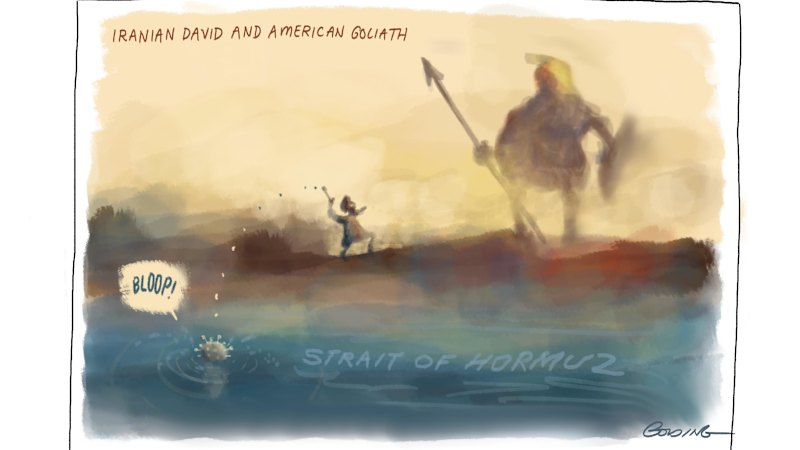
The ongoing conflict in the Middle East has prompted discussions in Australia regarding the need for greater economic independence. As the war, particularly involving the United States and its strategies, continues without a clear exit plan, some analysts argue that this situation may compel nations to reassess their reliance on ultra-free trade.
Shifting Economic Strategies
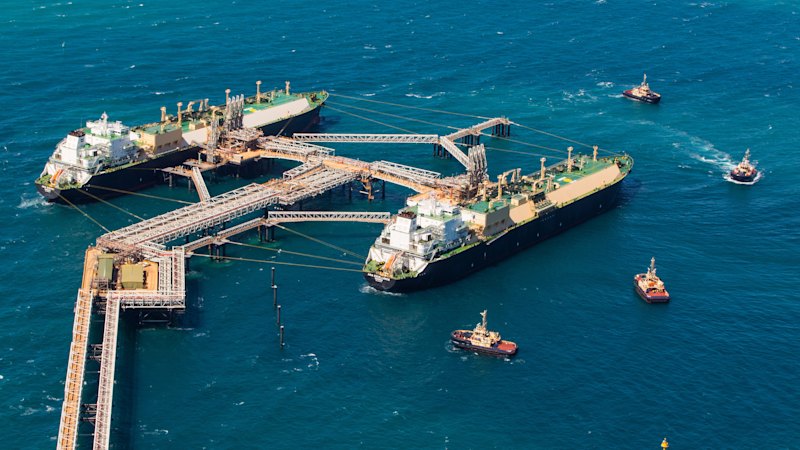
Experts highlight the immediate need for Australia to bolster its reserves of essential resources, such as petroleum and fertilizers, crucial for agricultural production. This shift addresses concerns over supply chain vulnerabilities, especially as the country imports a significant portion of its electronic equipment and energy needs from abroad. A more self-sufficient economy could enable the government to take a firmer hand in economic management, potentially challenging the current neoliberal framework that many believe has contributed to socioeconomic disparities.
In a related economic context, rising oil prices have become a pressing issue. Speculation suggests that the price of Brent crude could escalate to $200 per barrel if the conflict in Iran persists. This scenario underscores the urgency of reevaluating Australia’s fuel supply strategies, particularly as military operations consume vast amounts of resources. A military jet, for instance, can expend as much fuel in one hour as an average car driver does in seven years.
Political Accountability and Historical Parallels
Calls for accountability in international conflicts have also emerged within Australian political discourse. A prominent figure in Europe has suggested that Australia should advocate for a Nuremberg-style trial for Russian President Vladimir Putin regarding the war in Ukraine. This sentiment extends to former US President Donald Trump, who has been criticized for his role in escalating tensions in the Middle East.
“Trump’s war is doubly illegitimate because it breaches the US Constitution which says only Congress can initiate war,” stated political analyst Marion Harper.
Moreover, comparisons are being drawn between current military engagement in the Middle East and Australia’s involvement in Vietnam decades ago. Many citizens express concern that the country’s historical patterns of military intervention could repeat themselves, echoing fears of past conflicts that led to significant losses.
As political leaders grapple with the ramifications of these decisions, citizens are increasingly vocal about their views on government accountability. For instance, the National Anti-Corruption Commission has recently investigated the controversial robo-debt scheme, finding serious misconduct among former public servants. Critics argue that the lack of sufficient evidence for prosecution reflects broader systemic issues regarding accountability and justice for victims of such policies.
In the domestic arena, the Victorian government has introduced two significant reforms aimed at easing the home-buying process. These reforms include mandated reserve price disclosures and standardised building inspections. New homeowner Eleanor Denson shared her experience, stating that these changes would have significantly alleviated her stress during the purchasing process.
As Australia navigates these multifaceted challenges, it faces a crucial juncture in determining its future role on the global stage. The ongoing discussions around economic independence, military engagement, and political accountability are likely to shape national policy for years to come.