


Australia has initiated a Royal Commission on Antisemitism and Social Cohesion following the tragic terrorist attack in Bondi. This decision reflects the government’s recognition of the pressing need to address antisemitism, a sentiment echoed by many in the Jewish community and beyond. The overarching goal is to ensure the safety and dignity of Jewish Australians, a principle that should extend to all citizens. Yet, the implications of this Royal Commission may raise more questions than answers, potentially deepening divisions rather than fostering unity.
Key Areas of Inquiry
The government has identified four primary areas of focus for the Royal Commission. Each area aims to investigate the complexities surrounding antisemitism in Australia, but the anticipated outcomes may not yield the transformative change many hope for.
1. **Investigating the Nature and Drivers of Antisemitism**: The Commission is expected to reaffirm the reality of rising antisemitism, attributing it largely to online radicalisation and ideological conflicts. Numerous prior reports, including a government-funded review released in March 2023, have already detailed these findings. However, the inquiry is unlikely to address the underlying issues affecting Australia’s social cohesion.
2. **Recommendations for Law Enforcement and Security**: Proposed recommendations will likely centre on enhancing training, intelligence sharing, and monitoring efforts within law enforcement. While these measures are necessary, they will primarily focus on reactive strategies rather than preventative ones. A crucial aspect that may be overlooked is the administrative failure that enabled a civilian to obtain a firearms licence for six guns, raising questions about the systemic issues within regulatory frameworks.
3. **Examining the Bondi Terrorist Attack**: The Commission aims to reconstruct the events surrounding the Bondi attack, identifying intelligence gaps and procedural failures. This analysis may provide clarity but will not resolve the broader societal questions regarding the conditions that lead to such violence.
4. **Strengthening Social Cohesion**: The Commission will address the need for dialogue and community engagement. However, the effectiveness of reports in fostering genuine social cohesion remains to be seen. Isolating one form of hatred from the broader spectrum of discrimination may inadvertently undermine the effort to combat all forms of extremism.
Potential Risks and Consequences
The decision to focus solely on antisemitism could inadvertently create a hierarchy of grievances among different communities. This approach may lead to competition for recognition and protection, fostering resentment among those who feel overlooked. The narrative of “us versus them” could be reinforced, ultimately weakening social cohesion rather than strengthening it.
Moreover, a concerning shift towards defining communities by their victimhood rather than their resilience may ensue. A society that perceives itself primarily through a lens of fear risks externalising that fear, leading to a defensive governance style that does not embody the values of confidence and unity Australia aspires to uphold.
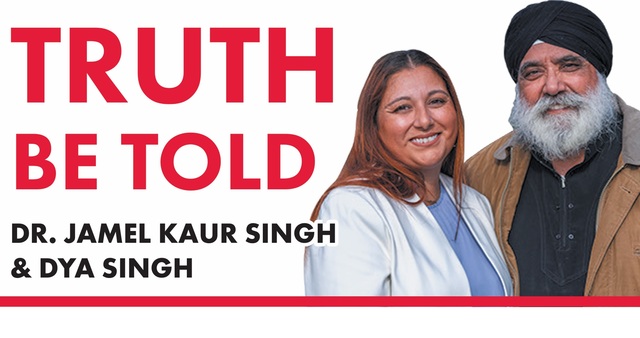
It is essential to clarify that this critique does not dismiss the realities of antisemitism or the suffering experienced by Jewish Australians. The authors, Dya Singh and Dr. Jamel Kaur Singh, stand firmly against antisemitism and acknowledge the pain it inflicts. The argument presented is that addressing one form of hatred in isolation will not prevent future violence.
If Australia aims for genuine safety and cohesion, it must adopt a comprehensive approach to extremism. This includes regulating hate speech, developing a values-based education framework, and establishing clear standards for belonging that apply to all Australians.
As the Royal Commission progresses, critical questions arise: Will it genuinely reduce hatred or contribute to further division? Will it enhance social cohesion or perpetuate a cycle of selective responses to suffering? Australia requires leaders prepared to confront all forms of hatred equally and firmly, without fear of backlash. Anything less risks leaving society in a state of fragmentation, rather than fostering the unity and safety that all Australians deserve.