


The future of a proposed rail trail connecting Mullumbimby and Byron Bay hangs in the balance as the Byron Shire Council has delayed critical actions needed to secure funding and move forward with the project. After nearly three years of watching the success of a similar rail trail in Tweed Shire, which has attracted hundreds of thousands of visitors and generated tens of millions in local economic benefits, the council’s recent inaction has left many questioning whether this will be the year for progress.
Funding Applications Abandoned
In a decision made during its last meeting of 2025, the Byron Shire Council opted not to apply for a $1 million grant from the New South Wales government, citing incomplete application materials as the reason for the withdrawal. Asren Pugh, a Labor councillor, noted that significant land tenure issues and uncertainties regarding the rail corridor contributed to the decision. Pugh stated, “We’re not ready to put in a grant… so my motion just removes that from the grant applications that will go in tomorrow.” This statement indicates the council’s current inability to progress with the rail trail project.
The council’s meeting also revealed that a vital vegetation study related to the rail trail had been completed but was not yet presented to councillors or made publicly available. A staff member acknowledged this oversight, indicating that the report could be circulated to councillors for review.
Long-standing Decisions Loom
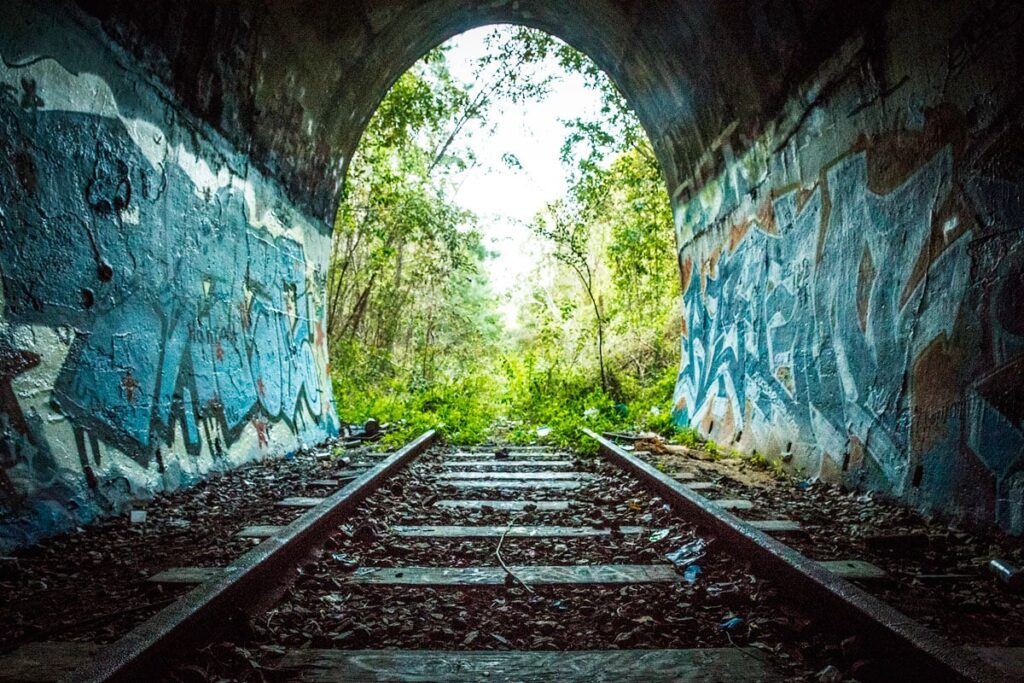
The delay in the rail trail project can be attributed to a broader paralysis within the council, stemming from the need to make difficult decisions that have lingered for over a decade. One of the most pressing questions remains whether the council should pursue the dream of reinstating train services in Byron or shift focus to constructing a bike and pedestrian trail on the existing rail formation. This indecision has led to four different councils deferring action, often opting to request additional reports instead of making firm choices.
The inability to settle on a direction has severely hampered the planning process for the Byron rail trail. This lack of clarity complicates efforts to apply for government grants and stalls the design process altogether.
As infrastructure continues to deteriorate, with natural elements damaging essential components like bridge foundations, the council faces increasing costs and risks. Without a clear plan, the Shire may end up with inadequate infrastructure or face the possibility of inappropriate development projects taking precedence.
During the recent council meeting, Mayor Sarah Ndiaye indicated a sense of urgency surrounding these discussions. “I think there’ll be some difficult conversations that we’ll have next year,” she remarked. Ndiaye stressed the importance of planning, noting that the council needs definitive strategies to request funding effectively without hesitation or fear of losing support.
As 2026 approaches, the question remains: will Byron Shire finally see progress on its rail trail initiative, or will it once again miss the opportunity to capitalize on potential economic benefits? The community watches closely, hoping for decisive action that could transform the vision into reality.