


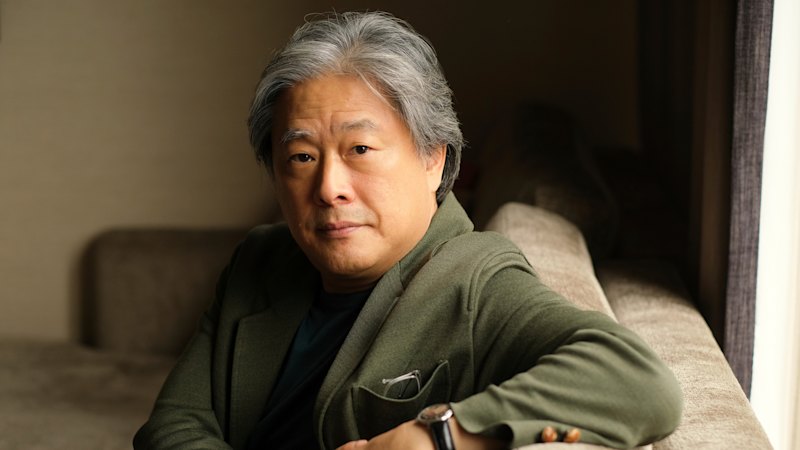

Clive Small, who served with the New South Wales Police Force from 1963 until his retirement in 2003, is best known for his role in leading the investigation into the notorious backpacker murders carried out by Ivan Milat. Small’s efforts not only brought a serial killer to justice but also left a lasting impact on the way major crime investigations are conducted in Australia.
Small’s career began on October 28, 1963, when he joined the force as a cadet. He was sworn in as a probationary constable on August 5, 1965, and quickly distinguished himself by finishing first in his class. His ascent through the ranks culminated in his appointment as assistant commissioner, a role he held until his retirement. Following his time with the police, he served as head of operations for the New South Wales Independent Commission Against Corruption (ICAC) from 2004 to 2009.
The investigation into the backpacker murders began in 1994 when Small was appointed to lead Taskforce Air, a team dedicated to solving the disappearance of several young backpackers between 1989 and 1992. Under his leadership, the taskforce identified Milat as the prime suspect. After a thorough investigation, Milat was arrested seven months later and subsequently sentenced to seven consecutive life sentences for the murders. He died in prison in 2019.
Small’s contributions extended beyond this high-profile case. Throughout his career, he worked on significant investigations, including the Stewart Royal Commission into drug trafficking and the inquiry into the Nugan Hand Bank, which exposed widespread corruption at a global level. His commitment to reforming crime investigation protocols was evident in his response to the Wood Royal Commission, which scrutinised police corruption between 1995 and 1997.
During this tumultuous period, Small advocated for a culture of accountability within the NSW Police Force. He believed that police leadership should bear the responsibility for failures rather than shifting blame to junior officers. “I’m sick of constables wearing the blame,” Small stated, emphasizing the need for police leaders to take ownership of their actions. His insights led to the establishment of a more accountable framework for crime investigations in the state.
Small’s vision for the future of criminal investigations was ambitious. He sought to re-establish the Criminal Investigation Branch (CIB) with a focus on integrity and professionalism. Despite skepticism from some colleagues, he successfully transformed the perception of criminal investigations into a noble pursuit. His approach inspired other jurisdictions to adopt similar models, highlighting the importance of accountability and strong leadership.
In addition to his operational achievements, Small fostered relationships with the media, viewing journalists as allies rather than adversaries. He co-authored six books on organized crime, reflecting his deep understanding of criminal dynamics. However, he was not without his flaws; his focus on tasks sometimes led him to overlook individuals, including members of his own team.
Small’s leadership faced challenges, including criticism from those who felt threatened by his vision. Despite this, his legacy remains impactful. His contributions to policing in New South Wales are widely recognized, and many believe he should have received more formal recognition for his role in the Milat investigation.
Clive Small’s life and career exemplify a commitment to reform and integrity in law enforcement. His passing marks the end of an era, but the frameworks he established will continue to influence policing practices for years to come. He is survived by his wife, Alison, and children, Amber and Joshua. As former deputy commissioner of the NSW Police, Nick Kaldas noted, “The people of NSW owe Clive Small a great debt.”