The Australian government is set to increase the deeming rates in March 2024, impacting pensioners with assets. This adjustment follows a decision to outsource the determination of the rates to an independent body. The deeming rates, which had been frozen at historically low levels during the pandemic, were last raised in September 2023.
Changes to Deeming Rates
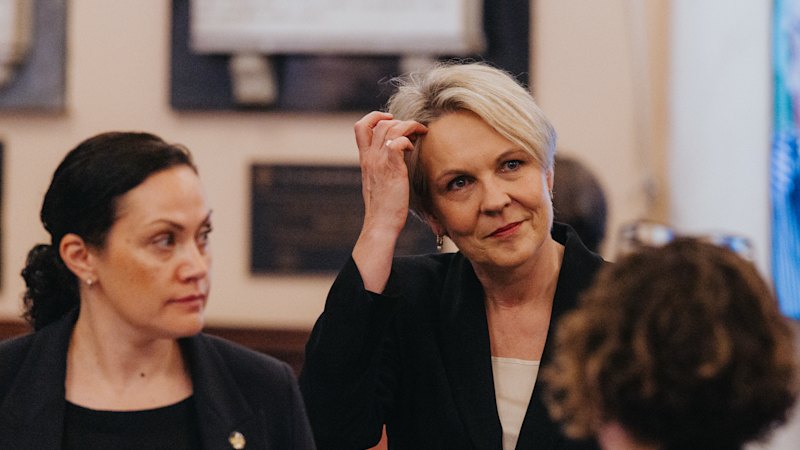
The government has established that deeming rates will now be reviewed every March and September, coinciding with the pension indexation to inflation. This strategy aims to ensure that any increase in deeming rates aligns with the rise in pension payments, thereby mitigating the financial impact on recipients. Tanya Plibersek, Minister for Social Services, stated, “In response to stakeholder feedback, the government committed to change deeming rates at the same time as indexation to increase predictability and reduce impacts for people affected by deeming,” in a statement to The Australian Financial Review.
Deeming rates serve as a standardized estimate of the income individuals earn from their financial assets, which influences the calculations for social security payments, including the age pension, JobSeeker, and parenting payments. Prior to the pandemic, these rates closely mirrored the official cash rate set by the Reserve Bank of Australia (RBA). However, as the cash rate fell to a mere 0.1 percent during the pandemic, deeming rates were similarly adjusted.
Future Expectations and Economic Context
On September 20, 2023, the deeming rates were lifted by 0.5 percentage points, bringing them to 0.75 percent for the first $58,000 of assets and 2.75 percent for assets above that threshold. Despite this increase, these rates remain significantly lower than the current cash rate of 3.6 percent. A source from the government indicated that, despite the decision-making being delegated to the Australian Government Actuary, an increase in deeming rates in March is highly probable.
The government seeks to adjust deeming rates to reflect reasonable returns available to social security recipients through savings accounts and investments, such as term deposits. As inflation continues to rise, the RBA has opted to maintain the current cash rate, dismissing any cuts for the foreseeable future, which has led to growing market expectations of further rate increases next year.
In addition to these adjustments, Jim Chalmers, Treasurer of Australia, announced the cessation of temporary cost-of-living relief measures, including discounts on power bills. He warned of more difficult decisions in the upcoming mid-year budget update and the next fiscal year’s budget, stating that citizens would need to adapt to permanent cost-of-living measures, such as reduced medicine costs and tax cuts starting in July 2024, amounting to $5 per week.
Chalmers also indicated that the mid-year update would present more promising news regarding business investment forecasts, with an increase projected for 2025-26 from 1.5 percent to 3 percent. This growth is anticipated to be driven primarily by investments in renewable energy and new technologies. Non-mining business investment is expected to increase from 1 percent to 4 percent this year, before settling back to 2 percent next year, still exceeding previous forecasts.
“It will show that the private-sector recovery that we’ve been planning for and preparing for is really taking shape,” Chalmers remarked, highlighting the government’s commitment to fostering economic growth amidst ongoing adjustments to social security measures.