



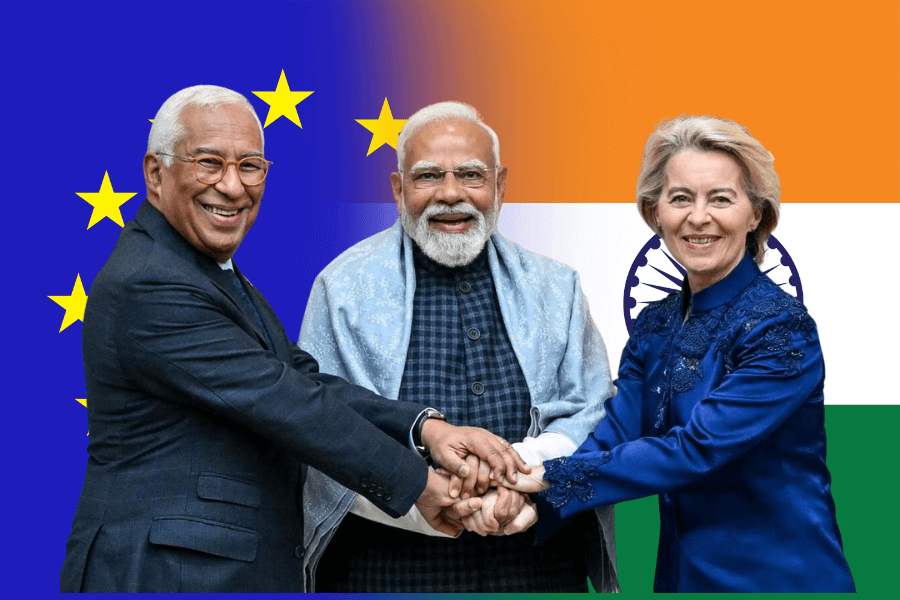
After nearly two decades of stalled negotiations, the European Union and India have reached a significant milestone by finalizing a landmark free trade agreement. This deal, which was concluded in March 2024, is poised to reshape trade dynamics between the two regions, impacting nearly two billion consumers. It will progressively eliminate or reduce tariffs on approximately 96–97 percent of goods exchanged between the economies.
The agreement not only enhances commercial ties but also reflects a broader geopolitical shift, largely influenced by trade uncertainties that emerged during the administration of former U.S. President Donald Trump. Both parties recognize the importance of diversifying their trade relationships to mitigate over-reliance on the U.S. market.
Key Components of the Agreement
Under this comprehensive agreement, India will reduce tariffs significantly on various European exports, including automobiles, machinery, chemicals, and premium beverages. In return, the EU will grant improved access for Indian goods such as textiles, pharmaceuticals, leather products, and chemicals. This balanced approach signals a more integrated partnership than previous negotiations.
One of the most challenging aspects of the discussions involved the automobile sector, where India has historically protected its domestic market with tariffs exceeding 100 percent. The compromise reached allows for steep yet gradual tariff reductions, granting European manufacturers a much-needed entry point while providing Indian producers time to adjust.
The agricultural and dairy sectors presented even greater challenges, as India has treated food imports as a sensitive issue due to its large population of small farmers. European producers aimed for access to high-value dairy products, but many areas remain excluded or limited to specific quotas. As a trade analyst noted, “Agriculture was where negotiators drew the clearest boundaries. The deal succeeds precisely because it avoids forcing politically impossible outcomes.”
Non-tariff barriers have also been addressed in the agreement, with detailed provisions on regulatory cooperation and mutual recognition. These measures aim to ensure that tariff reductions lead to tangible trade flows rather than being hindered by technical regulations.
Geopolitical Context Driving the Deal
The timing of this agreement is significant. Trade actions and tariff threats from the U.S. prompted both the EU and India to reassess their trade strategies. The Trump administration’s approach highlighted the vulnerabilities of economies that rely heavily on a single market, inspiring both parties to forge a more resilient trade framework.
A European trade official involved in the negotiations stated, “For both India and the EU, this agreement is as much about resilience as it is about growth. Trump’s tariff strategy reminded governments how exposed trade can be when it depends too heavily on a single market.” This shift in perspective facilitated the resolution of issues that had previously stalled negotiations for years.
Determining who stands to benefit more from the agreement largely depends on perspective. In the short term, the EU appears to secure clearer commercial advantages, gaining unprecedented access to one of the fastest-growing markets globally. Sectors such as automobiles, machinery, and premium food products, where European firms enjoy competitive advantages, are set to thrive.
Conversely, India’s benefits are more strategic and long-term. The preferential access to the EU market is likely to bolster labor-intensive sectors like textiles and pharmaceuticals, especially in the face of rising U.S. protectionism. This positioning supports India’s ambition to establish itself as a viable manufacturing and investment alternative to China, enhancing its integration into global supply chains.
A senior trade economist summarized the situation: “The EU gets faster commercial returns; India gets long-term industrial positioning.” The agreement ultimately reflects a convergence of economic and geopolitical interests, benefiting both parties in complementary ways.
Australia is also expected to reap indirect benefits from this trade deal. As trade and investment flows between the EU and India expand, demand for Australian exports—including raw materials, critical minerals, and agricultural inputs—may increase, particularly in green technologies and advanced manufacturing. Australian firms could also find opportunities as partners within the emerging EU-India value chains.
In summary, the EU-India trade agreement signifies a pragmatic shift in trade policy that prioritizes resilience in an unpredictable global trading environment. The collaboration between these two significant economies marks a pivotal moment in international trade, shaping economic landscapes for years to come.