

The family of Darren Culleton, who died in custody in 2021, continues to face significant delays in seeking compensation from the Victorian Government. The lengthy process has left them grappling with emotional distress while navigating a complex legal system designed to address claims of wrongful death.
After the death of a loved one in custody, families often find themselves entangled in a convoluted series of procedures, including autopsies, police investigations, and inquests. Following these steps, families must decide whether to pursue legal action, which usually leads to a medical panel assessment of their psychological and physical injuries. Unfortunately, this process has become increasingly intricate, with delays averaging between nine to ten months for psychological injuries and eight to ten months for physical injuries.
Families, including children, are referred to independent medical panels that evaluate the severity of their claims against the Victorian Government and its entities, such as the police or public hospitals. Critics argue that the growing number of referrals serves as a tactic for the government to delay compensation payments, while also risking further trauma to those seeking justice.
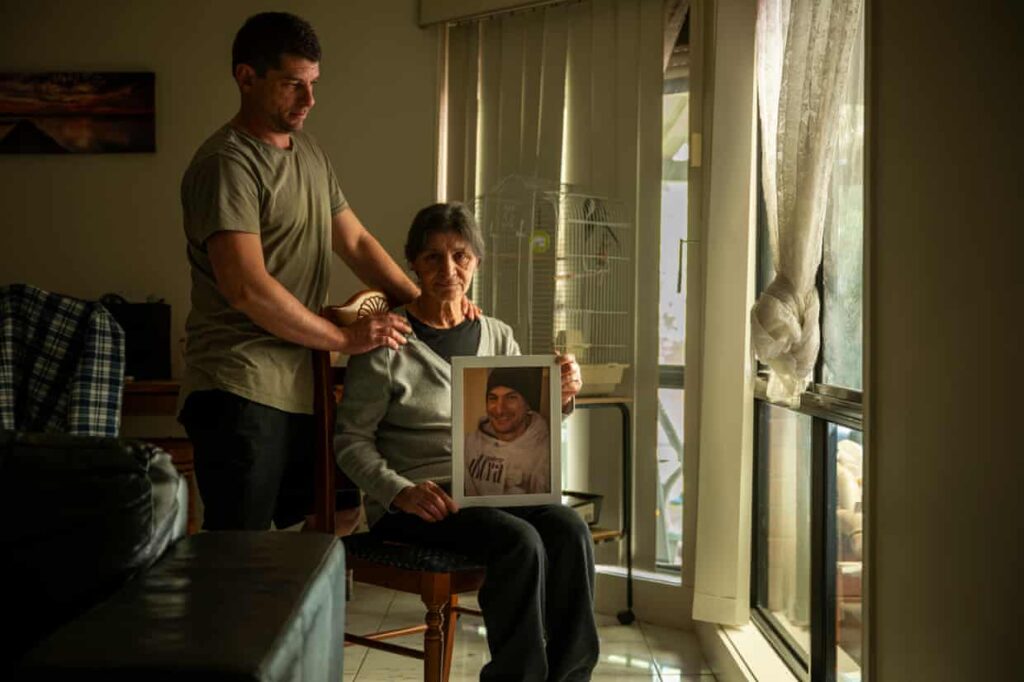
Mary Culleton, Darren’s mother, expressed frustration over the drawn-out process. “Of course I want it to end,” she said, reflecting on the emotional toll of having to recount the circumstances surrounding her son’s death. A coroner’s inquest in 2023 determined that Darren, who was 30 when he died from self-inflicted injuries in a police van, experienced a “preventable tragedy.” The findings noted systemic failures, including communication problems and insufficient training, that contributed to his death.
In his findings, Coroner David Ryan described the inquest as a challenging experience for both the family and the involved witnesses. He acknowledged the motivations of hospital staff and police officers to assist Darren but highlighted that various risks emerged during his custody. These risks, coupled with a lack of policies, culminated in a situation that tragically led to Darren’s death.
The current situation has been exacerbated by increasing referral numbers to the medical panels. According to an email from Associate Professor Peter Gibbons, the convener of medical panels, there has been a significant uptick in referrals over the past 12 to 18 months. This rise in demand for hearings has resulted in longer waiting times, with some families facing delays of up to six months or more.
Gary Culleton, Darren’s twin brother, shared how the extended timeline has forced him to revisit painful memories. “Bringing up things after such a long delay, you forget a lot of major key points,” he said. The necessity of supporting other family members during this protracted process adds to his burden of grief.
Other families are experiencing similar frustrations. Joshua Kerr, a 32-year-old Indigenous man, also died in custody in 2022 from methamphetamine toxicity. In an inquest conducted in 2024, it was found that he did not receive timely medical assistance despite pleading for help before collapsing. His mother, Aunty Donnas Kerr, along with five other family members, has been referred to the medical panel, which adds to the emotional strain of losing a loved one.
Legal representatives, such as Jeremy King from Robinson Gill, argue that the indiscriminate referrals to medical panels represent a deliberate strategy employed by defendants. “We find that defendants indiscriminately refer all plaintiffs, including children and vulnerable individuals, to the medical panel as it is a cheap and easy way of significantly reducing the quantum of their claim,” he stated.
The medical panels have not provided specific information regarding the volume of referrals, reasons for increased delays, or measures taken to minimize retraumatization of families. However, a spokesperson for the Victorian Government acknowledged the need for timely hearings, citing ongoing efforts to recruit additional specialists and increase the number of panel hearings conducted weekly.
As the Culleton family and others continue to face these challenges, the emotional toll remains significant. The system, meant to provide justice and accountability, often feels like an obstacle, prolonging their suffering and complicating their quest for closure.
For those struggling with issues related to mental health or seeking support, organizations like Lifeline are available at 13 11 14, while the Indigenous crisis hotline can be reached at 13 YARN, 13 92 76.