




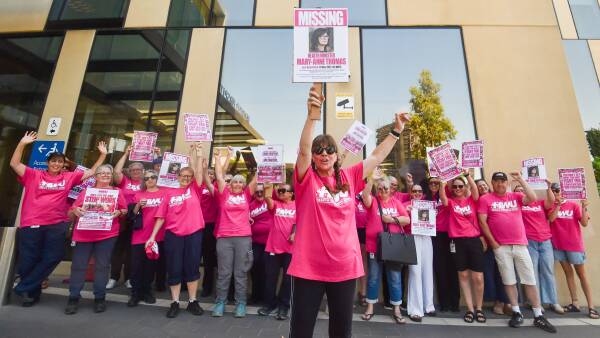
Health workers in Victoria, Australia, initiated a strike on January 20, demanding fair compensation for their efforts during the COVID-19 pandemic. Members of the Health Workers Union (HWU) participated in an hour-long demonstration outside Bendigo Health, expressing their concerns over stagnant wages and feeling overlooked by the state government.
Union representative Mark Fitzgerald articulated the frustrations of hospital staff, including cleaners, cooks, orderlies, and theatre technicians. He highlighted their crucial roles during the pandemic, stating, “We went from hero to zero in under six years.” Fitzgerald emphasized that these workers have been essential in maintaining hospital operations, often at great personal risk, and now seek a minimum wage increase of six per cent per year for the next two years.
Negotiations between the HWU and the Victorian government have been ongoing for over a year, with two previous offers deemed inadequate as they fell below inflation rates. A government spokesperson has confirmed that the Victorian Hospital Industrial Association (VHIA) will continue discussions with the union, aided by the Fair Work Commission. They reiterated their commitment to supporting the healthcare workforce, stating, “We will always back our dedicated healthcare workforce and the extraordinary care they provide to Victorians who need it most.”
The union’s ongoing advocacy is crucial, particularly as the current enterprise bargaining agreement expired in July 2024. Fitzgerald asserted the importance of their work not being forgotten, particularly after their contributions during a global health crisis.
This strike marks the second statewide action taken by the HWU, following a previous demonstration on December 4, 2025. During this latest protest, the union assured that critical patient care would remain unaffected, including urgent surgeries and emergency procedures. A spokesperson for Bendigo Health acknowledged the current negotiations, stating that they had implemented contingency plans to ensure essential services continue uninterrupted.
“We are monitoring impacts across our services, with decisions guided by clinical need,” the spokesperson added. “The safety of our patients, the wellbeing of our staff, and access to quality care for our community remain our top priorities.”
The ongoing struggle for fair pay reflects broader issues within the healthcare sector, particularly regarding the treatment and recognition of essential workers. As the union continues its efforts, the hope remains that their vital contributions will receive the acknowledgment and compensation they deserve.