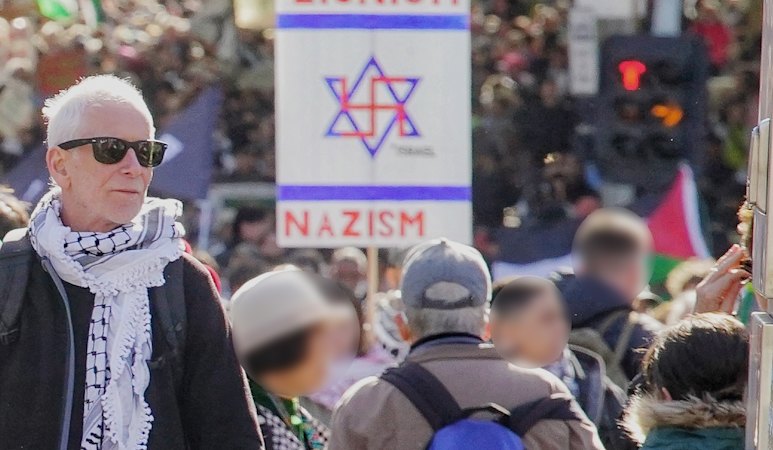
The term “Zionist,” once a proud identifier for supporters of Israel, has increasingly been co-opted as a term of derision in political discourse. Critics from within Israel, who identify as Zionists themselves, are raising alarms about the distortion of this term and its implications for both national identity and the global Jewish community. This shift has sparked significant debate, particularly in the context of rising anti-Semitism worldwide.
Reclaiming a Meaning
In recent months, various Israeli citizens, including prominent public figures, have voiced their concerns regarding the evolving narrative around Zionism. Many of these individuals are not only critics of the Israeli government but also self-identified Zionists who believe that their identity is being misrepresented. They assert that the term has been weaponized against Jews, used to delegitimize the state of Israel and its right to exist.
For instance, in a statement released on March 10, 2024, a coalition of Israeli NGOs argued that the word “Zionist” has been manipulated to equate Jewish identity with colonialism and oppression. They emphasize that this narrative undermines genuine discussions about policy and governance within Israel and fosters an environment where anti-Semitic sentiments can flourish under the guise of political critique.
The Global Context
The manipulation of the term “Zionist” comes at a time of heightened global tensions regarding Israel and its policies. According to a recent report by the organization Human Rights Watch, incidents of anti-Semitism have surged in various parts of the world, with many attributing this rise to the conflation of criticism of Israel and hostility toward Jews. The report highlights that such conflation can lead to dangerous outcomes, not only for Jewish communities but also for the integrity of legitimate political discourse.
In light of these developments, prominent Israeli figures are calling for a re-evaluation of what it means to be a Zionist. They argue that true Zionism should encompass a commitment to democratic values and human rights, rather than being shackled by extremist viewpoints that seek to delegitimize opponents. This perspective aims to reclaim the narrative surrounding Zionism, focusing on its foundational ideals rather than the divisive rhetoric that has emerged.
As discussions continue, the role of international bodies like the United Nations and various human rights organizations will be critical. Their stance on how to balance legitimate criticism of Israeli policies with the fight against anti-Semitism will likely influence public opinion and policy decisions in the long term.
The ongoing debate about the term “Zionist” reflects broader societal issues, including the challenges of navigating identity in an increasingly polarized world. For many, the question is not just about the term itself but about the values it represents and the potential for dialogue that respects both Jewish identity and the legitimate grievances of Palestinians.
In summary, as the meaning of “Zionist” evolves, so too does the discourse surrounding Israel and its place in the world. The challenge remains to cultivate a conversation that is respectful, informed, and free from the distortions that can lead to hatred and division.