



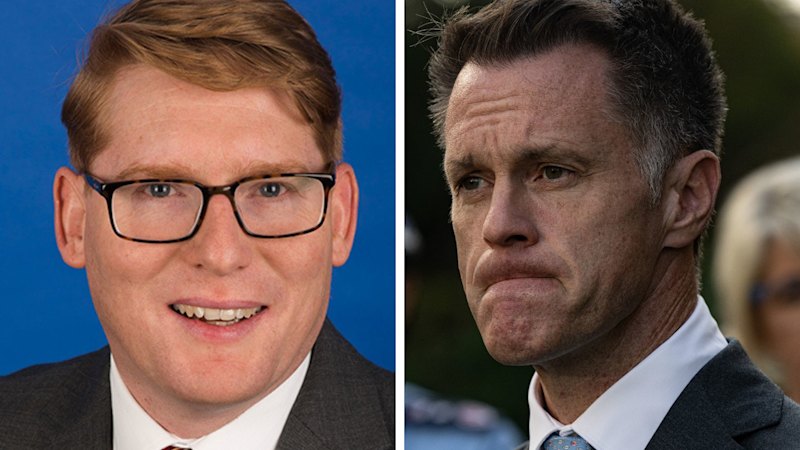
Protesters have initiated a constitutional challenge against proposed laws by the state government aimed at regulating protest activities. This move has drawn sharp criticism from a Labor MP, who argues that the government’s approach is disproportionate and undermines fundamental democratic rights.
The proposed legislation, which has stirred significant public debate, seeks to impose stricter controls on protest activities, raising concerns about freedom of expression. The Labor MP, whose identity has not been publicly disclosed, emphasized that the connection between the government’s intentions and the potential consequences for civil liberties is “tenuous.” This statement reflects a growing unease within political circles regarding the implications of such laws on public demonstration rights.
Legal Challenge Launched
In light of the proposed changes, a coalition of activists has come together to mount a legal challenge, arguing that the laws infringe upon constitutional rights guaranteed under Australian law. They contend that the right to protest is fundamental to a healthy democracy and should not be curtailed by government overreach. The group plans to present their case in court, seeking to have the proposed laws declared unconstitutional.
This challenge is not solely a legal matter; it also represents a broader societal concern about the erosion of civil liberties. Critics of the legislation assert that it could lead to a chilling effect on public dissent and discourage citizens from expressing their views on critical issues.
Political Implications and Public Response
The Labor MP’s comments come at a time when public sentiment is increasingly polarized around issues of free speech and government authority. Many citizens are voicing their apprehensions about the potential ramifications of the proposed laws. Demonstrations are expected to continue as activists rally support for their cause, highlighting the importance of protecting democratic freedoms.
The state government, while defending its position, maintains that the legislation is necessary to ensure public safety and order during protests. Officials argue that recent events have shown that some protests can escalate into violence, necessitating a more structured approach to public demonstrations.
As the legal challenge unfolds, both sides are preparing for what could be a landmark case regarding the balance between maintaining public order and upholding civil liberties. The outcome may set significant precedents for how protest activities are regulated in Australia and could influence similar debates in other jurisdictions.
The situation remains dynamic, with both sides gearing up for a prolonged struggle over the future of protest rights in the country.