




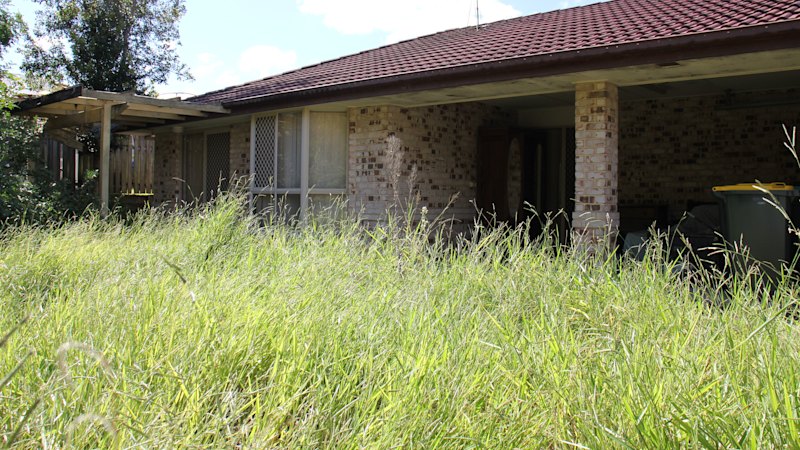
Local authorities have taken decisive action to address the growing issue of unpaid property rates by moving to sell homes belonging to delinquent ratepayers. This decision, announced by the Local Council in October 2023, aims to recover tens of thousands in unpaid dues, underscoring the commitment to uphold the integrity of the community’s funding system.
The council emphasized that the burden of unpaid rates ultimately falls on responsible ratepayers who consistently meet their financial obligations. A spokesperson from the council stated, “It’s just not fair on other ratepayers who do the right thing.” This sentiment reflects a broader concern that the financial strain caused by non-compliance threatens essential public services funded by these rates.
Details of the Decision
According to council reports, the total amount of unpaid rates has reached a significant figure, prompting this drastic measure. The council plans to auction properties with outstanding debts, a move that could generate revenue needed for community projects and services. The spokesperson noted that efforts will be made to notify affected homeowners before any sales proceed, allowing them an opportunity to address their outstanding balances.
This policy shift follows discussions within the council aimed at finding effective solutions to the issue of unpaid rates, which has been escalating over recent years. As property values continue to rise, so too does the responsibility of homeownership. The council believes that this approach will encourage timely payments and reinforce the importance of civic duties among residents.
Community Response and Implications
The decision has sparked mixed reactions among community members. While many support the council’s stance on accountability, others express concern over the potential impact on families facing financial hardships. Local advocacy groups are calling for balanced solutions that consider the nuances of individual circumstances.
One local resident commented, “We understand the need for accountability, but we also need to consider those who are genuinely struggling.” This highlights the ongoing debate about equitable solutions in managing public funds while ensuring that vulnerable members of the community are not disproportionately affected.
As the council moves forward with this initiative, it will be crucial to monitor how these sales impact the community and whether further measures will be introduced to assist those in financial distress. The ongoing discussions emphasize the importance of finding a balance between fiscal responsibility and social equity in local governance.
In conclusion, the Local Council’s decision to sell homes due to unpaid rates represents a significant step in addressing a pressing financial issue. It reflects a commitment to ensuring that all ratepayers contribute fairly to the community’s needs while also raising important questions about support for those facing economic challenges.