




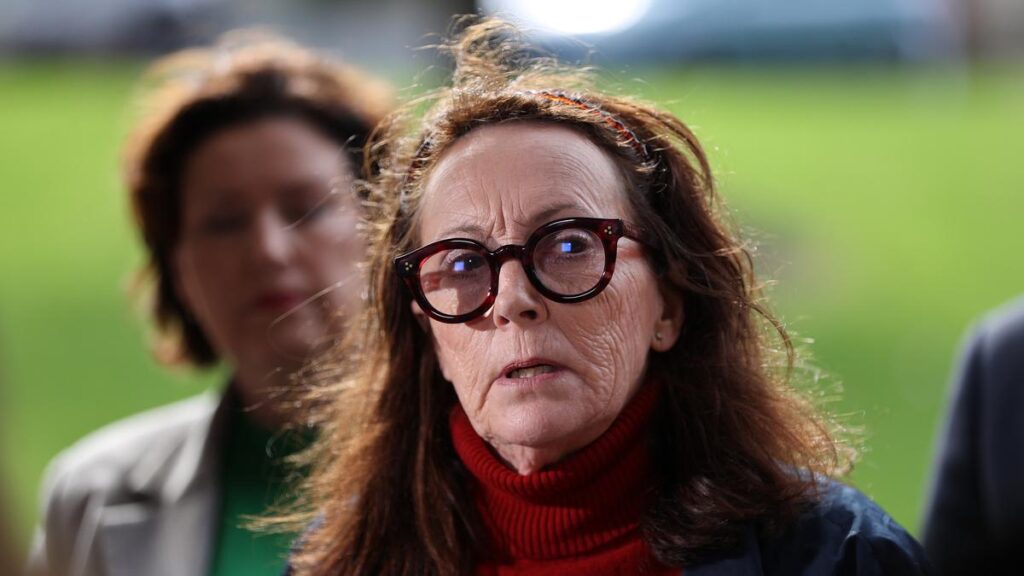
The State Government announce a tree recovery package to support the Cook Labor Government’s unprecedented biosecurity polyphagous shot-hole borer response. Pictured - Deputy President of WALGA Karen Chappel
Local councils in Western Australia are urging the government to address a loophole that allows certain not-for-profit organizations to avoid paying local rates, a situation that is reportedly costing municipalities hundreds of thousands of dollars annually. The WA Local Government Association (WALGA) has raised concerns that this exemption is undermining the funding needed to maintain essential services such as libraries, waste collection, and road maintenance for their growing populations.
WALGA argues that the current interpretation of what constitutes a charitable organization is excessively broad, enabling some not-for-profits with commercial operations to benefit from these rate exemptions. According to WALGA President Karen Chappel, facilities such as assisted-living establishments are among the most frequently cited examples of organizations taking advantage of these exemptions.
In a recent submission, WALGA has requested $200,000 in the upcoming State Budget to fund an independent review of rating exemptions. Ms. Chappel emphasized that while she does not advocate for the complete removal of the charity exemption, it should be revised to align with its original intent. “They’re taking the opportunity that’s available to them,” she stated. “If there is an opportunity to have an exemption, of course a charitable organization will take it. It’s about whether a commercial arm of a charitable organization should be eligible. That is probably the question.”
Concerns Over Broader Exemptions
The WALGA submission also highlighted the recent expansion of exemptions applicable to “miscellaneous” licenses, which include mining companies. The association criticized the State Government’s decision to widen these exemptions, claiming it was made without adequate consultation with local governments and contradicts a previous ruling by the Supreme Court of WA.
“While a robust and competitive resources sector is vital to the State’s economic prosperity, it must not come at the expense of regional communities,” the submission stated. Ms. Chappel projected that the revenue lost due to these exemptions could total in the hundreds of thousands of dollars. “Local governments provide services and infrastructure for everybody in our community,” she noted. “When one section of your community has an exemption, those that are paying rates are effectively supporting the other section.”
WALGA is advocating for the review to ensure that exemptions are both justifiable and equitable. “That’s what we’re asking for,” Ms. Chappel added. “We would like this review to take place so that it seems to be fair.”
Government Response and Future Actions
In response to these concerns, a spokesperson for the government stated that Local Government Minister Hannah Beazley has engaged in multiple discussions with WALGA and various stakeholders over the past year. These conversations have focused on numerous challenges facing local governments, including the issue of rates.
“The Minister greatly values the feedback that has been provided across the sector, stakeholders, and community members, which will be considered as part of any future local government reforms,” the spokesperson said. Additionally, the Cook Labor Government has introduced a Bill aimed at restoring the longstanding policy that Crown land held under miscellaneous licenses or small prospecting licenses are not subject to rating.
As the debate over rate exemptions continues, local councils are calling for actions that will enable them to better serve their communities while ensuring fairness in the application of charitable exemptions. The outcome of the proposed review could significantly impact funding for essential local services in Western Australia.