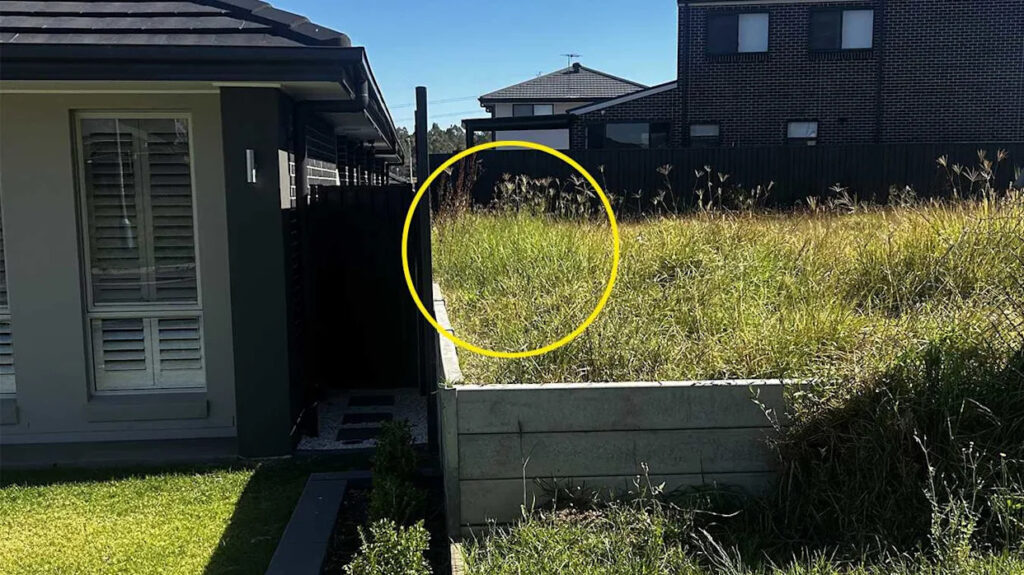
A mother in Australia is expressing her growing anxiety over her neighbour’s unkempt lawn, which has reached waist height in certain areas. This situation has raised serious safety concerns, particularly for families living nearby. Despite multiple complaints to the neighbour, the local council, and even the local Member of Parliament, no action has been taken to address the issue. With warmer weather approaching, the resident fears potential hazards, including snakes and increased fire risk from the dry vegetation.
Legal Responsibilities and Options
Residents have a legal right to expect their neighbours to maintain their properties to prevent health and safety hazards. According to legal experts Alison and Jillian Barrett from Maurice Blackburn, property owners are obligated to keep their land in a condition that does not pose risks. This includes minimizing conditions that could attract vermin, exacerbate fire hazards, or obstruct public areas like sidewalks. Local councils are tasked with enforcing these obligations under state legislation and local laws.
To effectively address the issue, it is crucial for affected residents to gather evidence. Taking clear photographs of the overgrown areas, including the proximity to the property, is essential. Keeping detailed records of all complaints made to the neighbour, the local council, or other authorities will be important if the situation escalates. Legal avenues often require attempts at informal resolution before more formal actions can be pursued.
Steps to Take with Local Authorities
Upon lodging a complaint with the local council, an inspection of the property should typically follow. If health and safety breaches are identified, the council is expected to issue a formal notice to the owner, demanding that they clear the overgrown grass within a specified timeframe. If the owner fails to comply, the council can hire contractors to perform the necessary work, with the costs recoverable from the property owner. Additionally, penalties or fines may apply in some cases.
If the council has not adequately addressed the complaint, several options remain available. Residents can request a review by a senior officer or a different department, usually in writing. Another avenue is to lodge a complaint with the state Ombudsman, who can investigate whether the council acted fairly. However, these processes can often take considerable time.
If the council continues to be unresponsive, residents might consider applying to their state’s civil and administrative tribunal. In Queensland, this is the Queensland Civil and Administrative Tribunal (QCAT); in New South Wales, it is the New South Wales Civil and Administrative Tribunal (NCAT); and in Victoria, it is the Victorian Civil and Administrative Tribunal (VCAT). These tribunals handle neighbourhood disputes and can issue legally binding orders requiring a neighbour to take reasonable measures to mitigate risks or cease interference with a homeowner’s enjoyment of their property.
It is essential to determine whether the neighbour is a tenant or the property owner, as this will impact the course of action. If the neighbour is renting, they may lack the authority to manage significant maintenance, such as clearing extensive vegetation. Nonetheless, they are still responsible for mowing the lawn.
Pursuing Tribunal Intervention
For those considering tribunal action, preparation is key. Residents should compile evidence, including photographs of the overgrown grass and detailed records of complaints. Each tribunal will have specific forms that must be completed to lodge an application, along with associated filing fees. Prospective applicants should consult their state tribunal’s website for detailed information.
Many tribunals also offer mediation services prior to formal hearings. Mediation can provide a quicker, less stressful resolution and may lead to practical solutions without necessitating a full hearing. While tribunals cannot enforce council regulations, they can order neighbours to maintain their properties or take steps to reduce hazards. Non-compliance with tribunal orders can lead to further enforcement actions.
This information is intended as a general guide and should not be considered specific legal advice. For tailored legal assistance, it is advisable to consult a qualified solicitor. The insights provided reflect real-life experiences, although some details may have been adjusted for clarity.