



A royal commission investigating New Zealand’s deadliest mass shooting may offer valuable guidance for establishing a similar inquiry into the Bondi massacre in Australia. Prime Minister Anthony Albanese has shifted his stance regarding the potential for a royal commission following the December 14 terrorist attack that resulted in the deaths of 15 individuals and injuries to over 40 others. This change comes after earlier refusals to initiate such an inquiry.
As discussions progress regarding the terms of reference for this inquiry, the Law Council of Australia cautions that a royal commission must not interfere with the ongoing criminal investigation into the alleged perpetrator, Naveed Akram, who is currently facing legal proceedings. The council’s president, Tania Wolff, emphasized the importance of structuring the commission to avoid compromising the criminal case.
Learning from Christchurch
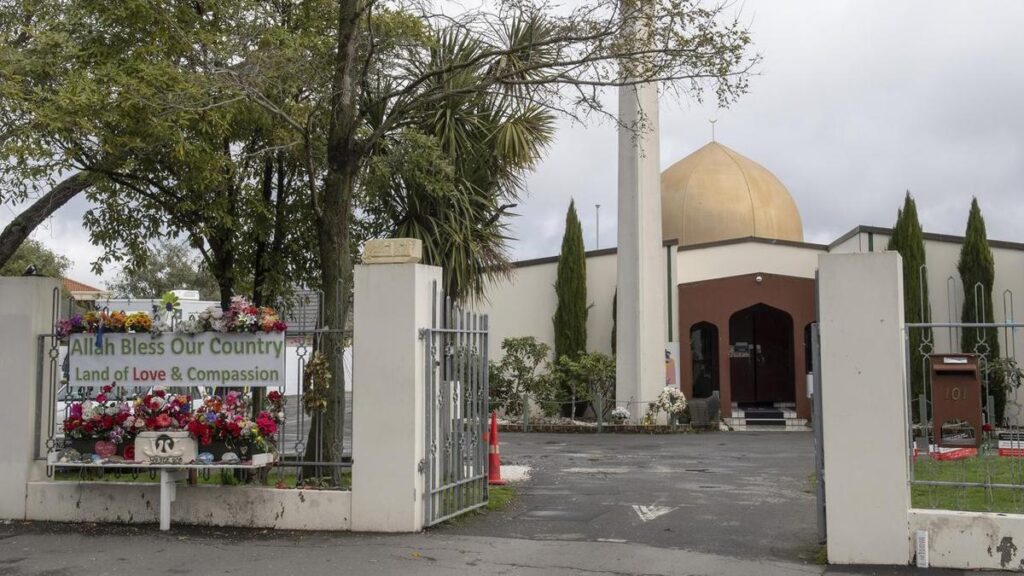
The royal commission established in response to the 2019 Christchurch mosque attacks, which claimed 51 lives, serves as a pertinent example. Its terms of reference included provisions to conduct parts of the investigation privately to maintain confidentiality and restrict access to information that could impact ongoing criminal trials. Wolff stated, “It will be vital that the timing, conduct and terms of reference of any royal commission be structured so as not to interfere with ongoing criminal proceedings.”
The Law Council is among numerous groups advocating for a comprehensive royal commission following the Bondi attack. Wolff has called for a focused inquiry into anti-Semitism, highlighting the need for a broad examination of various factors, including national security coordination, intelligence-sharing practices, online regulations, hate speech laws, counter-terrorism measures, and pathways to radicalization.
Public Support and Political Backing
A recent poll published by News Corp indicates that 54 per cent of voters support the establishment of a Federal royal commission. The survey, which included 1,608 voters, revealed that 19 per cent opposed the inquiry, while 27 per cent were undecided. Support for the royal commission is notably strong among voters from the One Nation party (73 per cent), followed closely by Coalition supporters (68 per cent), Greens voters (46 per cent), and Labor voters (42 per cent).
Calls for a royal commission extend beyond political circles, with Jewish organizations, families of victims, and notable Australians also advocating for the investigation. One prominent advocate, the Labor Israel Action Committee, has pushed for terms of reference that specifically examine anti-Semitism and its roots. Former MP Mike Kelly stated the inquiry should explore the generation of hate and the dissemination of hateful materials.
“The inquiry must look into who is behind this hate, for what reasons, and where the funding is coming from,” Kelly told reporters. He stressed that the terms of reference should be broad enough to address systemic issues, allowing for adjustments as new findings emerge.
The coalition has additionally suggested that the terms of reference encompass the motivations behind anti-Semitism, the effectiveness of various government agencies, and intervention strategies targeting radical Islamic extremism.
As discussions continue, the potential for a royal commission into the Bondi massacre remains a pressing issue for many Australians, with the hope that it will lead to a deeper understanding of the factors contributing to such acts of violence and ideologies.