



Pay equity has gained renewed attention in New Zealand as an unofficial “people’s select committee” prepares to report on significant legislative changes made last year. These changes overhauled the pay equity process and effectively cancelled existing claims. As the country awaits the committee’s findings, a critical examination of the purpose and implications of pay equity settlements is necessary.
Over the past five decades, women in New Zealand, or Aotearoa, have made substantial strides into occupations traditionally dominated by men, such as law, medicine, and management. Despite these advancements, men have not transitioned into roles historically filled by women, such as teaching and nursing, resulting in an ongoing gender imbalance in the workforce. This disparity raises crucial questions regarding the historical undervaluation of roles typically occupied by women.
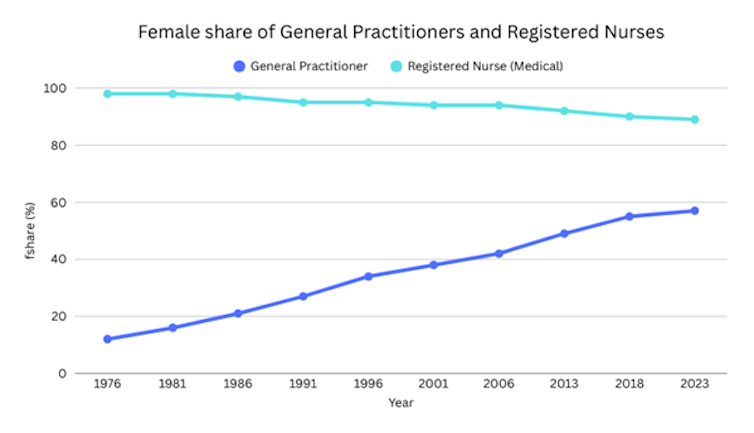
Research, which analyses data from five decades of Census records, reveals persistent patterns of occupational segregation in New Zealand. Although the labor market has become less gender-segregated since the 1970s and 1980s, many careers remain dominated by one gender. For example, the percentage of female doctors has increased dramatically, rising from just 12% of general practitioners in 1976 to 57% in 2023. In contrast, nursing remains predominantly female, with women making up 89% of registered nurses.
Understanding pay equity is essential, as it addresses different issues from equal pay. While equal pay focuses on compensation for identical jobs, pay equity examines whether different roles, particularly those often filled by women, are compensated fairly relative to one another based on skill, responsibility, and effort. If an entire sector is undervalued, equal pay within that sector fails to bridge the overall gender pay gap.
The structural inequities present in the labor market mean that addressing pay equity requires comprehensive processes that facilitate comparisons across various occupations. The recent legislative changes raised barriers to filing claims and made it more challenging for workers in female-dominated fields to have potential inequities evaluated. The “people’s select committee” inquiry, initiated by ten former women MPs, aims to allow public input and scrutinize these legislative shifts.
Even after significant advancements over the decades, the gendered structure of work persists. There is a common misconception that wages are solely determined by productivity. In reality, factors such as bargaining power and institutional norms significantly influence pay, particularly in sectors where output is difficult to measure or quantify. This is especially relevant in care and teaching roles, where the value of work is substantial yet not easily reflected in market rates.
Pay equity processes are designed to address these complex realities. They acknowledge that wages often reflect historical institutional biases alongside productivity, which can lead to continued undervaluation in a seemingly balanced labor market. Although progress has been made toward gender equality, the imbalance remains a significant factor shaping pay outcomes across various industries.
The ongoing discussions surrounding pay equity should keep the original intent in mind. It is not about preferential treatment but rather about ensuring fair valuation of work within a labor market that, while evolving, still exhibits gender-based job segregation.
This research was funded by a grant from the Ministry of Business, Innovation & Employment. Gail Pacheco, a researcher associated with the New Zealand Human Rights Commission, highlights the importance of these ongoing discussions as the nation moves forward in addressing pay equity concerns.