

A parliamentary inquiry in New South Wales (NSW) into banning phrases such as “globalise the intifada” has come under scrutiny for its expedited timeline. The inquiry is set to conclude public submissions by January 12, 2024, only three weeks after its establishment. This rapid pace has raised concerns from opposition leaders, who argue that the lack of public hearings and limited time for community input undermine the process.
Opposition leader Kellie Sloane has criticized the Labor-controlled inquiry for being pushed through without adequate notice or engagement from the public. She emphasized the necessity of a comprehensive investigation into the measures that would prohibit slogans inciting hatred. Sloane stated, “If the government is serious about tackling hate speech and antisemitism in our community, they would establish a comprehensive inquiry, affording communities the opportunity to engage.”
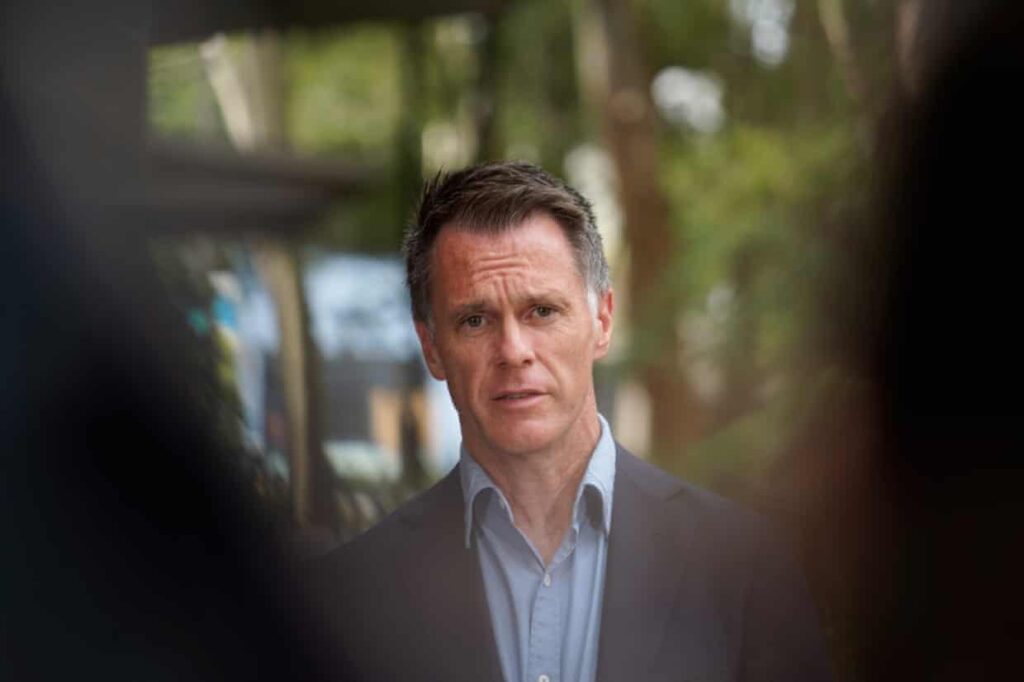
The inquiry was initiated following the Bondi attack, which brought issues of hate speech and public safety to the forefront. Premier Chris Minns highlighted the phrase “globalise the intifada” as an example of “hateful, violent rhetoric,” and indicated intentions to ban it. However, instead of immediate legislative changes, the government opted for a committee investigation into the broader implications of prohibiting such statements.
Inquiry Structure and Concerns
The inquiry is being conducted by the NSW lower house’s law and safety committee, which comprises four Labor MPs, including chair Edmond Atalla, along with Greens MP Tamara Smith, independent Philip Donato, and opposition representative, Nationals MP and shadow police minister Paul Toole. Notably, no members from the Liberal party are included in this committee.
In response to criticism regarding the inquiry’s timeline, Atalla defended the urgency, stating that the objective is to ensure that parliament can act swiftly when it reconvenes in early February. “Given that timeframe, the inquiry will not hold public hearings,” he clarified. Atalla stressed that engagement with stakeholders has been substantial, citing that around 100 stakeholders were approached for submissions.
The deadline for submissions has been set for January 12, and the committee is expected to report back by the end of January. This tight schedule has led to calls from the Liberals for a standalone inquiry that includes public hearings and a more extended timeframe for community input.
Reactions from Advocacy Groups
The inquiry’s terms of reference include examining the potential threat of phrases like “globalise the intifada” to community cohesion and how to combat hate speech while respecting the freedom of political communication as enshrined in the Australian constitution. The inquiry also seeks to explore international best practices in handling similar issues.
The NSW Jewish Board of Deputies welcomed the initiative, describing the potential ban as a significant step in addressing hate and incitement prevalent in public discourse. The organization stated, “Globalising the intifada means killing a Jew wherever you find one. It’s a call to violence and it leads to violence.”
Conversely, the Palestine Action Group (PAG) has expressed its intention to challenge laws restricting public assemblies after incidents of terrorism. The group has positioned the phrase as a fundamental expression of support for Palestinian uprisings against what they describe as oppression and illegal occupation. Organizer Josh Lees remarked on the irony of the proposed ban, suggesting that it could enhance the phrase’s popularity.
Premier Minns responded to these comments, asserting that he believes the phrase contributes to societal discord and must be part of the legislative changes under consideration in NSW.
As the inquiry progresses, the balance between curbing hate speech and protecting free expression remains a contentious issue, with implications for community relations in New South Wales and beyond. The outcome of this inquiry could shape not only future legislation but also the broader dialogue around hate speech and its regulation in Australia.