
OPEC+ has announced plans to resume oil production increases at a heightened pace, reflecting growing concerns over the ongoing conflict in Iran. Following a monthly video conference on March 31, 2024, key members of the coalition, particularly Saudi Arabia and Russia, confirmed that they would add an additional 206,000 barrels per day starting in April. This increase comes after a pause in production hikes during the first quarter of the year.
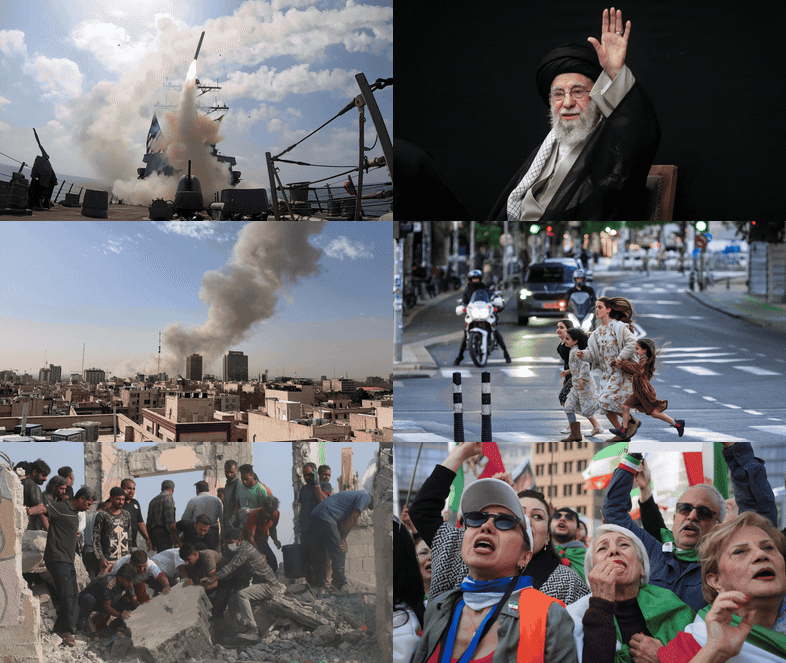
The latest increment is approximately 1.5 times larger than the 137,000-barrel increases made in the previous December. The backdrop of escalating tensions between the United States and Iran, exacerbated by recent US-Israeli military strikes, poses a significant risk to global oil supply chains. Notably, several OPEC+ members are constrained in their capacity to boost output, raising questions about the actual impact of the announced increases.
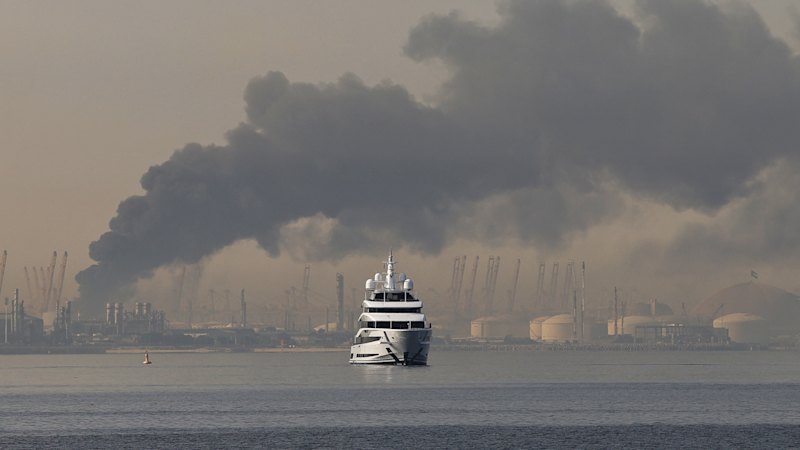
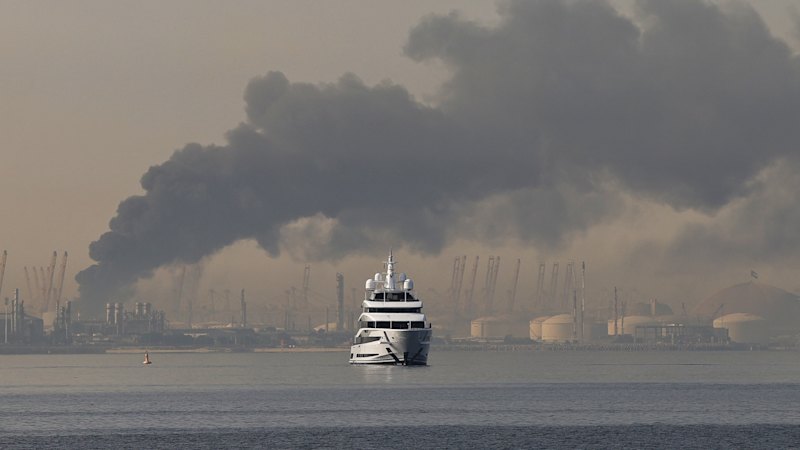
Concerns surrounding the Strait of Hormuz—a critical passage for oil exports—further complicate the situation. “This move is unlikely to calm markets—it’s a signal, not a solution,” said Jorge Leon, head of geopolitical analysis at Rystad Energy AS. He emphasized that while increased production may be announced, physical constraints in the Strait of Hormuz could keep the oil market tight.
Oil prices have surged, reaching a seven-month high of USD 73 per barrel in London last week, driven by worries over US military actions and production disruptions. Saudi Arabia, along with Iraq, Kuwait, and the United Arab Emirates, had already initiated boosts in oil exports last month, mirroring previous surges during heightened tensions in the region.
Production Capacity and Future Outlook
The ability of OPEC+ producers to sustain this upward trend in exports largely hinges on the stability of the Strait of Hormuz. Traffic through the vital waterway has slowed considerably due to the ongoing conflict, posing a challenge for key OPEC+ members. According to the International Energy Agency, the available spare production capacity is primarily concentrated in Saudi Arabia and the UAE, which together hold about 2.5 million barrels per day, representing less than 3 percent of global supplies. Some analysts, however, suggest that even this figure may be overstated.
“Spare capacity is really only sitting in Saudi Arabia at this stage, with the rest of the producers effectively maxed out—hence the actual barrel-add will be exceedingly modest,” stated Helima Croft, head of commodity-markets strategy at RBC Capital Markets LLC. She noted that increasing production now would lead to a reduction in reserves for future use.
OPEC+ has been implementing a gradual restoration of previously halted production, with plans to recover an additional 1 million barrels per day in the coming months. Delegates have suggested that this restoration could be completed by the end of September 2024, although some proposed a potential three-month pause, extending the timeline to year-end.
Market Dynamics and Strategic Moves
Looking ahead to 2026, traders and analysts anticipated a significant oil surplus due to rising production from the Americas outpacing demand growth. However, this outlook has shifted dramatically as producers from North America to Kazakhstan have faced outages. Simultaneously, sanctions have left many Russian and Iranian cargoes stranded, unavailable to most buyers. Notably, China has continued to purchase surplus oil to bolster its strategic reserves.
The push to increase production may align with Riyadh‘s long-term objectives. Almost a year ago, the Saudis surprised market observers by rapidly restarting production that had been on hold since 2023, disregarding warnings about an already saturated global oil market. Some OPEC+ delegates interpreted this shift as a move away from solely defending oil prices, aiming instead to reclaim market share lost to competitors, particularly US shale producers.
The coalition paused supply increases earlier this year, citing seasonal declines in fuel consumption. With the planned hike scheduled for April, OPEC+ will have restored about 73 percent of the 3.85 million barrels per day of previously curtailed supply. The next meeting for OPEC+ members is slated for April 5, 2024, where further decisions will be made regarding production levels in light of the evolving geopolitical landscape.