Pauline Hanson, the leader of the One Nation party in Australia, has drawn significant criticism following a controversial anti-Muslim tirade during a recent interview. In her statements, she asserted that there are “no good Muslims” and warned that future generations would suffer if more Muslims were allowed into the country. This rhetoric has prompted widespread condemnation from various community leaders and organizations.
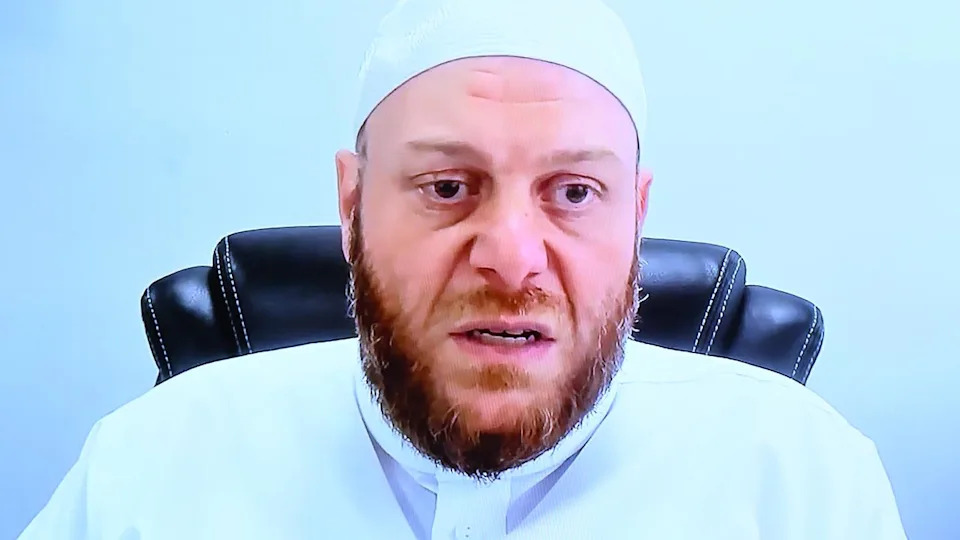
During an interview on Sky News, Senator Hanson expressed her concerns about Islam, stating, “I’ve got no time for the radical Islam. Their religion concerns me because what it says in the Quran, they hate westerners.” Her comments were met with immediate backlash, particularly from Shadi Alsuleiman, president of the Australian National Imams Council. Alsuleiman characterized Hanson’s remarks as a reflection of “a serious misunderstanding of Islam and the Muslim community,” emphasizing that her statements are based on misinformation rather than genuine engagement.
Hanson’s remarks are part of a broader narrative that critics argue is aimed at fostering division within Australian society. The Australian Muslim Advocacy Network challenged her to clarify her immigration policy intentions, questioning whether she would implement a complete ban on Muslim immigration or prevent Muslim Australians from participating in parliament. A spokesperson stated, “Pauline Hanson should grow some spine and tell people what she would actually do on immigration.”
The controversy is not new for Hanson, who has a long history of controversial statements targeting various ethnic and religious groups. Her maiden speech in 1996 famously warned that Australia was in danger of being “swamped by Asians,” a phrase she has echoed in relation to Muslims in recent years. Critics note that her approach exemplifies a divisive political strategy that undermines Australian values of inclusivity and multiculturalism.
Multicultural Minister Anne Aly also responded to Hanson’s statements, reiterating that such rhetoric has historically targeted vulnerable communities. She stated, “We’ve seen this before from Pauline Hanson… this is the same divisive politics from One Nation.” Aly stressed that categorizing individuals as “good” or “bad” based on their faith moves the nation away from its core values.
The response from the general public has been varied, but many have expressed concern that Hanson’s language fosters a climate of fear and hatred. Opposition Leader Angus Taylor refrained from directly addressing Hanson’s comments but acknowledged that he knows many “wonderful” Muslims in his New South Wales electorate, suggesting a more nuanced perspective on the Muslim community.
As One Nation’s popularity appears to rise in opinion polls, Hanson claims to represent the “true opposition” in Australia. Yet, the backlash against her recent comments highlights the ongoing challenge of addressing xenophobia and promoting unity in a diverse society. The reactions to her statements are likely to continue as Australians grapple with the implications of such divisive rhetoric in their political landscape.