The United States and Ukraine have reached a consensus on several significant issues in a new peace plan designed to resolve the nearly four-year conflict with Russia, according to Ukrainian President Volodymyr Zelenskiy. Despite this progress, Zelenskiy cautioned that sensitive topics, including territorial control in Ukraine’s eastern regions and the management of the Zaporizhzhia nuclear power plant, remain unresolved.
During a press briefing, Zelenskiy detailed the 20-point plan developed after extensive discussions in Florida. A response from Moscow is anticipated on March 6, 2024, following the Kremlin’s review of the proposal. The Ukrainian president’s comments were initially embargoed but were shared with the media shortly before the announcement.
The draft plan reflects Ukraine’s priorities, merging political and economic interests to enhance security and promote economic growth. The Kremlin confirmed that Russian President Vladimir Putin has been briefed by special envoy Kirill Dmitriev, and the Russian government is now formulating its position regarding the proposal.
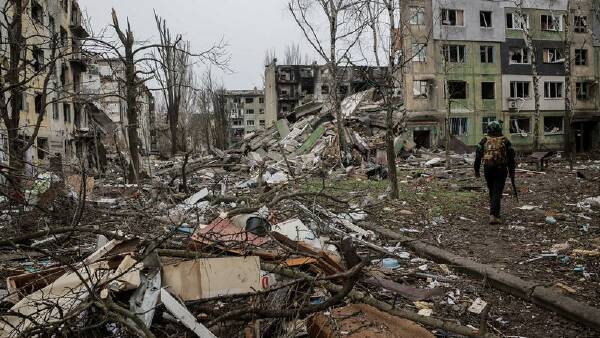
At the core of the negotiations is the contentious territorial dispute over the Donetsk and Luhansk regions, collectively known as the Donbas. Zelenskiy described this issue as “the most difficult point” in the discussions, indicating that further dialogue will occur at the leadership level. Russia continues to assert its demands, insisting that Ukraine relinquish control over the remaining territories in Donetsk, an ultimatum that Ukraine has firmly rejected. Currently, Russia controls the majority of Luhansk and approximately 70 percent of Donetsk.
In an effort to foster compromise, the United States has suggested transforming the disputed areas into free economic zones. Ukraine has responded by insisting that any arrangement must include a referendum, allowing its citizens to determine their future. Zelenskiy emphasized the necessity of demilitarizing these regions and proposed the presence of an international force to ensure stability.
A significant point of contention is how to manage the Zaporizhzhia nuclear power plant, which remains under Russian occupation. The US has proposed creating a consortium involving Ukraine and Russia, granting each party an equal stake. In contrast, Zelenskiy has suggested a joint venture between the US and Ukraine, allowing American stakeholders to decide how to allocate their share, presumably to exclude Russia.
“We did not reach a consensus with the American side on the territory of the Donetsk region and on the ZNPP,” Zelenskiy stated. “However, we have significantly narrowed the gap on most other issues.” He expressed hope that continued discussions could lead to further progress.
As the situation evolves, the international community remains watchful of the developments surrounding this peace plan, particularly given the implications for regional stability and security in Eastern Europe. The outcome of the negotiations will likely play a crucial role in shaping the future of Ukraine and its relations with Russia.