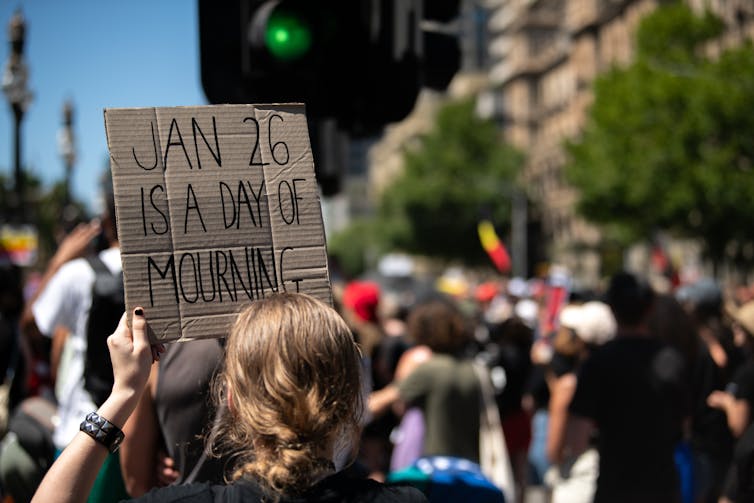
The recent failure of the Voice referendum in Australia has not only underscored a political defeat but also highlighted significant cultural shortcomings. This loss reveals a troubling immaturity within the nation’s political landscape regarding the concerns of First Nations peoples. The referendum’s defeat exposed a recurring theme in Australian politics: the persistent disregard for the political voice of Aboriginal and Torres Strait Islander peoples, a call for recognition that has echoed for over a century.
For Indigenous communities, the demand has been clear. They seek a legitimate political voice, not mere symbolism or programs crafted by others without their input. The Uluru Statement from the Heart encapsulated this need, advocating for a constitutional recognition that would allow their voices to be integrated into the democratic process. The aftermath of the referendum, however, has not fostered reflection and learning; instead, it has led to a troubling return to entrenched political habits characterized by coercion, denial, and performative outrage.
Ongoing Discontent and Political Fragmentation
The political landscape around Australia Day exemplifies this ongoing discontent. Each January, the debate around the day becomes a microcosm of broader societal divisions. On one side, there are voices expressing barely concealed racism towards Aboriginal advocates who seek acknowledgment of the violence and dispossession that began on 26 January 1788. Conversely, calls for sovereignty and treaties often lack a solid foundation in historical or political reality, highlighting a disconnect that hampers productive dialogue.
Neither side appears to facilitate progress. The insistence on a uniform celebration of Australia Day disregards the country’s rich cultural and historical diversity. Moreover, the expectation that Aboriginal leaders should silently bear the weight of this pain while local councils face repercussions for altering celebrations reflects a significant lack of maturity in political discourse.
Symbolic gestures alone will not empower Indigenous people. Changing the date of Australia Day without accompanying constitutional reforms fails to address the underlying issues. This reality illustrates the tragic outcome of the post-referendum environment, where the failure has deepened political entrenchment rather than prompted humility or introspection.
Lessons from Victoria’s Approach
In contrast to the national climate, Victoria offers a more promising example with its treaty and truth-telling processes. These initiatives were not established overnight; they followed years of groundwork involving community consultation and sustained political commitment. The First Peoples’ Assembly was developed through engagement and consent, rather than imposition.
This process has not been without its challenges. Disagreements within Indigenous communities and tensions with the government are common, yet they reflect the essence of political maturity. True political maturity involves navigating conflict constructively, rather than dismantling institutions at the first sign of disagreement. In Victoria, Aboriginal people are provided with space to engage in dialogue and negotiate with the government, fostering a more stable relationship between Indigenous and non-Indigenous authorities.
In stark contrast, the national approach to the referendum was rushed and poorly executed. There was insufficient civic education, lack of genuine engagement with non-Indigenous Australians, and a failure to heed Aboriginal leadership’s concerns regarding timing and design.
The aftermath of the referendum poses a critical question: what comes next? The temptation to retreat into anger or denial must be resisted. The need for a Voice remains as pressing as ever, as Aboriginal and Torres Strait Islander peoples continue to be sidelined from meaningful decision-making processes. Governments persist in addressing symptoms rather than tackling the structural causes of inequality, as evidenced by the Closing the Gap reports, which highlight ongoing failures even as they provide increasingly precise data.
Rebuilding political space will require time, discipline, and a commitment to engaging in difficult conversations. Non-Indigenous Australians must recognize that listening is not a sign of weakness, while Indigenous leaders need to assume responsibility for fostering processes that extend beyond mere protest.
Achieving political maturity is essential for improving the lives of First Nations peoples. As the nation grapples with this challenge, it must embrace the complexities of dialogue, disagreement, and collaboration. Only through this growth can Australia hope to create a more inclusive and equitable society for all its citizens, particularly its Indigenous populations.