

The political landscape in Western Australia is undergoing significant changes as the state gears up for the 2029 election. With the recent election settled, the newly formed opposition is leveraging a more effective strategy to challenge the governing Labor party, revealing vulnerabilities as they navigate the complexities of governance.
Challenges for the Cook Government
WA Premier Roger Cook faces mounting pressure as he tackles various issues, particularly regarding spending priorities. The opposition has effectively highlighted Labor’s allocations, questioning expenditures on projects like the Burswood Racetrack and ferry services while essential sectors like education and health remain underfunded. Community dissatisfaction has surged over these developments, with residents voicing their anger over perceived mismanagement of public funds.
The Cook government is optimistic that both the ferry and the Perth Park racetrack will be completed before the next election, aiming for success to quell public dissent. The ferry is set to open in late 2027, while the Perth Park venue is scheduled for the 2028 Supercars season. However, a significant concern looms over the estimated cost of Perth Park, originally pegged at $217 million. Given the current construction market’s inflation, it is uncertain whether this figure remains viable.
Health and housing issues further complicate the Cook government’s challenges. This winter, ambulance ramping reached record levels, exceeding 7,000 hours, highlighting the strain on the healthcare system. In response, the government announced an additional $64.6 million for hospital maintenance and refurbishments, alongside a commitment of $1.5 billion to complete three major health projects, including a new hospital at the Peel Health Campus and expansions at Royal Perth Hospital.
Despite these investments, the public housing waitlist remains stubbornly high, with over 23,000 applicants and 7,800 priority applicants. Although the government is working to address these issues, the pace of housing development has not kept up with the state’s rapid population growth.
Opposition Strategy and Internal Challenges
The opposition, led by Basil Zempilas, has the advantage of being unencumbered by the need to make difficult decisions, allowing them to focus on scrutinizing the government’s performance. Zempilas aims to find and exploit weaknesses in Labor’s policies while building rapport with voters, particularly among women and social progressives who may be skeptical of his leadership.
The opposition leader must also negotiate a coalition with the Nationals, following tensions from the last election where the Nationals felt sidelined by the Liberals in upper house seat allocations. Addressing the party’s candidate selection process will be crucial, as past choices have detracted from the overall campaign effectiveness.
The Greens, who briefly held the balance of power in the upper house after the March election, currently find themselves in a position where their support is less critical for Labor’s legislative agenda. While they may influence certain policies, the immediate focus appears to be on monitoring government actions rather than directly collaborating with them.
The upcoming years are pivotal for WA politics, with the Cook government needing to address pressing issues like healthcare, housing, and public safety, particularly in light of the situation at Hakea Prison. Reports indicate overcrowding, with cells accommodating three inmates, raising concerns about safety and conditions.
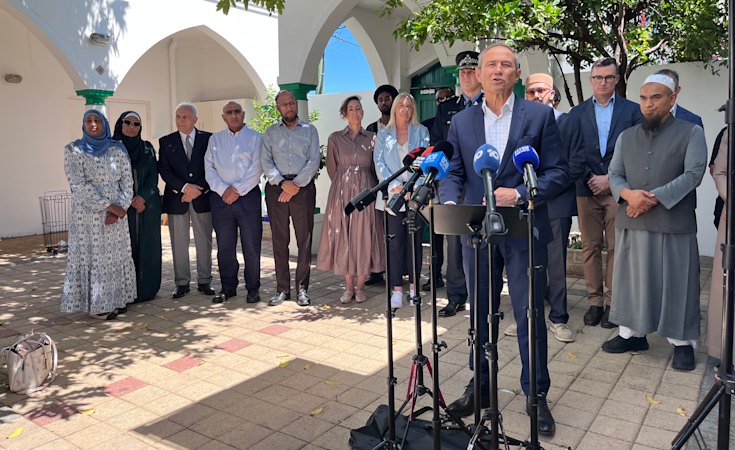
Moreover, the fallout from external events, such as the Bondi massacre, places additional pressure on the government to combat rising anti-Semitism and foster community relations. As Labor approaches its promise to phase out coal-fired power by 2030, significant hurdles remain, including infrastructure developments for renewable energy.
The current political climate in Western Australia is one of scrutiny and challenge. How the Cook government navigates these issues will not only determine its fate in the upcoming election but will also shape the political landscape for years to come.