



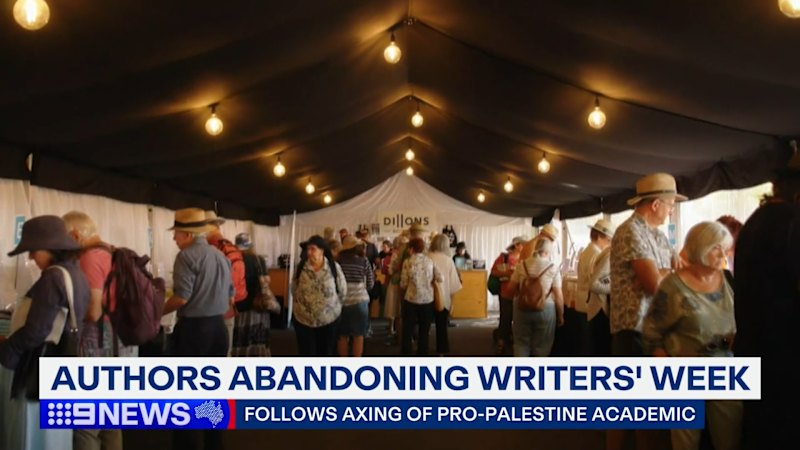
Dozens of writers have withdrawn from the Adelaide Writers’ Week in Australia following the exclusion of a Palestinian author from the event’s lineup. This decision has sparked significant debate within the literary community regarding freedom of expression and the implications of political pressure on artistic platforms.
The controversy began when the festival organizers announced the removal of the Palestinian author, whose participation was intended to highlight diverse voices in literature. In response to this decision, numerous authors, including notable figures in the literary world, have expressed their discontent by pulling out of the event scheduled for March 2024.
This situation raises critical questions about the role of literature in addressing global issues. Many of the withdrawing authors argue that the decision to drop the Palestinian author reflects a broader trend of censorship and a reluctance to engage with controversial topics. They emphasize the importance of providing a platform for all voices, particularly those that face systemic challenges.
The Adelaide Writers’ Week, a prominent event in Australia’s literary calendar, typically attracts international attention and participation. The festival has previously showcased a variety of authors from diverse backgrounds, making this incident particularly striking.
As the situation unfolds, several writers have taken to social media to voice their support for the Palestinian author. They highlight the need for solidarity among writers and the necessity of standing against censorship. This collective action demonstrates the power of the literary community to influence discussions about freedom of speech and artistic expression.
The organizers of Adelaide Writers’ Week have not yet issued a public statement addressing the withdrawals or the reasons behind the author’s removal. As authors continue to withdraw, the impact on the event’s attendance and overall success remains uncertain.
This incident serves as a reminder of the delicate balance between artistic freedom and political sensitivities in contemporary society. The literary community’s response underscores the importance of dialogue and the need for platforms that allow for diverse perspectives, especially in times of geopolitical tension.
As the festival approaches, it remains to be seen how these developments will affect its programming and the broader conversation about the role of literature in addressing critical global issues.