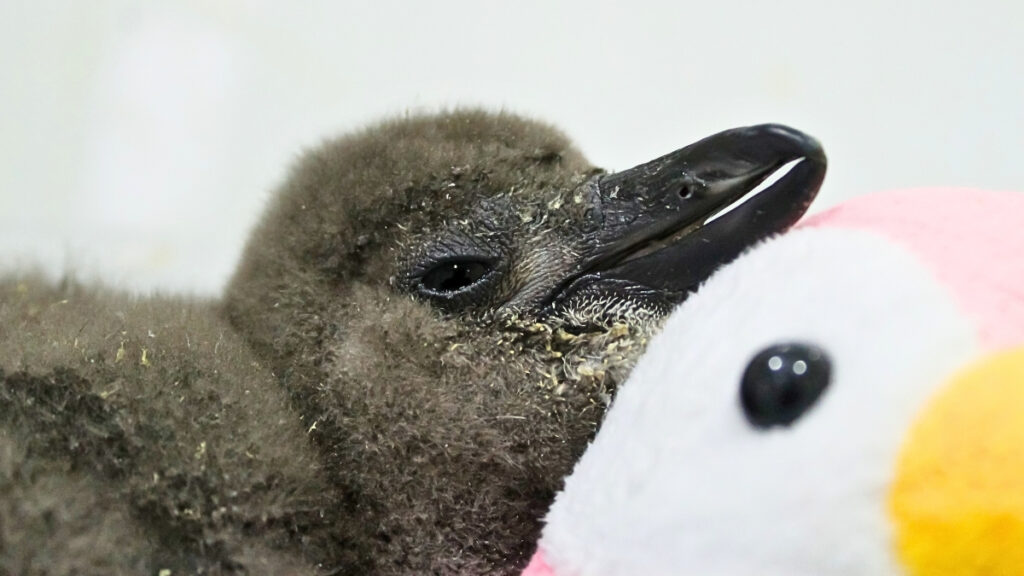
A recent study reveals that approximately 62,000 African penguins starved to death off the coast of South Africa between 2004 and 2011. This dramatic decline in their population is attributed to a combination of environmental changes and human fishing practices, resulting in a staggering 95 percent reduction in their numbers over just eight years.
Research led by conservation biologist Richard Sherley from the University of Exeter indicates that African penguins have faced a global population decline of nearly 80 percent over the past 30 years. The penguins typically spend about 20 days on land to molt their feathers, which is essential for maintaining waterproofing and insulation. To prepare for this fasting period, they rely on a sufficient food reserve. However, during the critical years of 2004 to 2011, stocks of their primary food source, Sardinops sagax sardines, dropped to merely 25 percent of their peak levels.
Sherley explains, “If food is too hard to find before they molt or immediately afterwards, they will have insufficient reserves to survive the fast.” The study found that the mass starvation primarily affected two of the most crucial breeding sites for the African penguin. The researchers suggest that the penguins likely died at sea, as large concentrations of carcasses are not typically found.
The ecologist Robert Crawford from the Cape Town’s Department of Forestry, Fisheries, and the Environment attributes these declines to changes in temperature and salinity driven by climate change. The fishing industry has further exacerbated the situation, with exploitation rates of sardines reaching as high as 80 percent in 2006. According to Sherley, this intense fishing pressure during a period of environmental change has been detrimental to the penguins’ survival.
Despite conservation efforts, the African penguin remains critically endangered, with fewer than 10,000 breeding pairs recorded in 2024. The ongoing challenges highlight the complexities involved in reversing the trajectory of this species. Local measures to manage fisheries can only achieve so much, as Sherley notes, “Fisheries management approaches that reduce the exploitation of sardine when its biomass is less than 25 percent of its maximum could help, although this is debated by some parties.”
The researchers emphasize that without addressing the underlying environmental changes, restoring penguin populations will be a formidable challenge. Current projections indicate that African penguins could face extinction within a decade if trends continue.
This alarming situation reflects a broader crisis affecting wildlife globally, with populations having declined by over two-thirds since the 1970s. The impacts of climate change are evident across various species, including river dolphins, African elephants, and numerous bird populations. As human activities continue to threaten ecosystems, researchers underscore the urgent need for a global reduction in fossil fuel usage to mitigate further loss of biodiversity.
The findings of this research have been published in the journal Ostrich, underscoring the critical importance of understanding and addressing the environmental factors contributing to wildlife declines.