




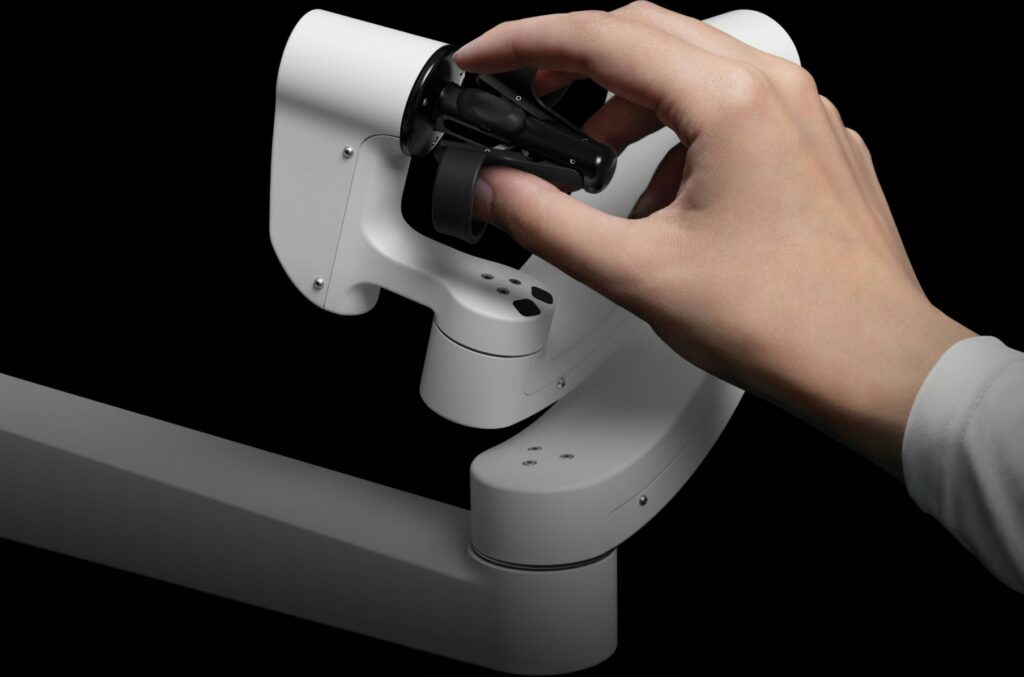
The landscape of medical technology in Australia has reached a notable milestone with the official listing of the **da Vinci 5**, the latest robotic-assisted surgical system from **Intuitive Surgical**, on the **Australian Register of Therapeutic Goods (ARTG)**. This advancement marks a significant leap forward in minimally invasive surgery, enhancing the capabilities of surgeons with unprecedented computing power and sensory feedback.
The **da Vinci 5** is not merely an upgrade; it embodies over a decade of research and incorporates more than **150 unique design innovations** based on feedback from surgeons worldwide. Most strikingly, it possesses **10,000 times** the computing power of its predecessor, enabling it to process vast amounts of data in real-time to support surgical procedures.
Enhanced Visual Experience and Tactile Feedback
Surgeons will benefit from a dramatic improvement in visual clarity, as the **da Vinci 5** offers four times the pixel resolution of earlier models. This enhancement is crucial when operating through tiny incisions, allowing for high-definition 3D visuals with realistic colors. Such clarity is vital when navigating complex anatomical structures.
In addition to visual improvements, the system introduces **Force Feedback technology**, enabling surgeons to feel the tension and resistance of tissues. This innovation can reduce the force exerted on tissues by up to **43 percent**, leading to less trauma and quicker recovery times for patients.
The ergonomic redesign of the surgeon’s console further promotes comfort and efficiency. As surgery can be physically demanding, this new design allows for a more natural posture, reducing fatigue during long procedures. By enhancing the surgeon’s experience, the **da Vinci 5** aims to improve patient outcomes significantly.
Lisa Kirsch, **Director of Sales – Surgical & Hospital** at **Device Technologies**, stated, “Intuitive’s technology has already redefined what’s possible in the operating room—and now, this latest innovation gives surgeons even more precision, visibility, and insight.” Her remarks reflect a broader excitement within the medical community regarding the potential of this cutting-edge technology.
Integration and Future Impact
The **da Vinci 5** is more than just an advanced surgical tool; it functions within a connected digital ecosystem. It integrates with **My Intuitive+**, a platform designed to transform surgical data into actionable insights for hospitals and clinicians. This connectivity facilitates **Telepresence**, allowing experienced surgeons to observe and mentor in real-time from remote locations, thereby fostering a global network of expertise.
The rollout of the **da Vinci 5** in Australia is managed by **Device Technologies**, a company with a strong history of introducing world-class medical innovations to the region. Beyond delivering the system, the company provides essential training and support, ensuring that hospitals can maximize the benefits of the technology. Kirsch emphasized this commitment, noting, “Device Technologies is proud to help hospitals and clinicians across Australia and New Zealand access this breakthrough technology to deliver the best possible care.”
From an administrative perspective, the efficiency gains associated with the **da Vinci 5** are noteworthy. Streamlined workflows and shorter procedure times can help alleviate the elective surgery backlogs that have challenged the healthcare system. For patients, the advantages are clear: smaller scars, reduced time under anaesthesia, and quicker returns to their families.
While the cost of implementing such systems can be significant, often reaching into the millions of dollars depending on configurations and service agreements, the long-term value to the Australian healthcare system is profound. The **da Vinci 5** positions local hospitals at the forefront of global medical standards, highlighting a shift where data and robotics are becoming foundational elements of modern surgical practice.
As Australia and New Zealand embrace this fifth-generation technology, local surgeons gain access to the same high-end equipment found in leading medical centres across the United States and Europe. The future of surgery is poised for further advancements, with the integration of AI-driven insights and refined haptic feedback likely on the horizon.
With the **da Vinci 5** now officially part of the Australian medical landscape, the future of surgical care is brighter than ever. This innovative system represents not only a technological achievement but also a commitment to enhancing patient care through advanced engineering and human expertise. For further details, visit [Device Technologies](https://www.device.com.au/).