




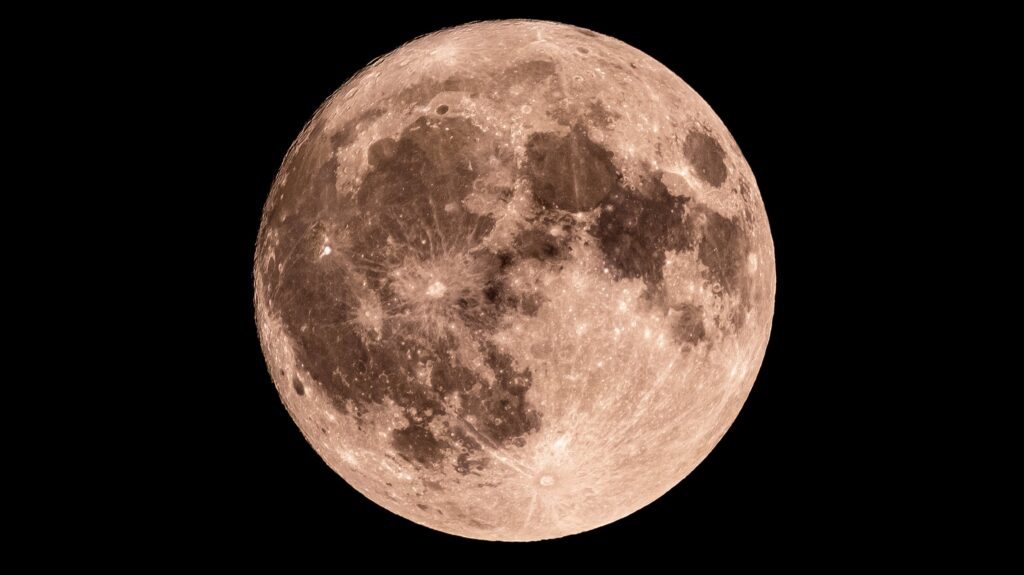
As of March 8, 2024, stargazers can observe the Moon in its Waning Gibbous phase, where approximately 70% of its surface is illuminated. This phase occurs following the Full Moon, characterized by a gradual decrease in visible light. Understanding this lunar cycle not only enriches the experience of observing the night sky but also highlights the ongoing relationship between Earth and its natural satellite.
The Current Moon Phase and Viewing Opportunities
The Waning Gibbous phase presents a stunning view, best appreciated under clear skies. Enthusiasts can expect to see prominent features such as the Aristarchus Plateau, Mare Imbrium, and the Copernicus Crater with the naked eye. For those equipped with binoculars, the experience enhances significantly, revealing more intricate details like the Grimaldi Basin, Alphonsus Crater, and the Alps Mountains.
For serious observers with telescopes, this evening offers the chance to glimpse historical sites such as the Apollo 16 landing area, along with the Rima Hyginus and the Schiller Crater. Engaging with these features not only provides a visual spectacle but also connects viewers to humanity’s explorations beyond Earth.
Understanding Lunar Phases
The Moon’s visibility changes through a cycle that spans approximately 29.5 days, transitioning through eight distinct phases. NASA explains that despite always showing the same side to Earth, the illuminated portion varies as the Moon orbits our planet.
The lunar phases include:
– **New Moon**: The Moon is positioned between Earth and the Sun, rendering it invisible.
– **Waxing Crescent**: A small sliver of light emerges on the right side.
– **First Quarter**: Half of the Moon appears illuminated on the right.
– **Waxing Gibbous**: More than half of the Moon’s surface is lit, yet it is not fully illuminated.
– **Full Moon**: The complete face of the Moon is visible, fully illuminated.
– **Waning Gibbous**: Light begins to diminish on the right side.
– **Third Quarter (or Last Quarter)**: The left side is now illuminated, presenting another half-Moon.
– **Waning Crescent**: A thin sliver of light remains before the Moon returns to darkness.
Looking ahead, the next Full Moon is anticipated on April 1, 2024, providing another opportunity for enthusiasts to marvel at the beauty of the lunar landscape. As the Moon continues its cycle, each phase offers a unique perspective worth exploring, whether for scientific inquiry or personal enjoyment.