As of December 26, the Moon is experiencing a Waxing Crescent phase, providing stargazers with an opportunity to observe its features. Tonight, approximately 37% of the Moon will be illuminated, making it a prime time for both casual observers and astronomy enthusiasts to look up at the night sky.
What to Observe in the Night Sky
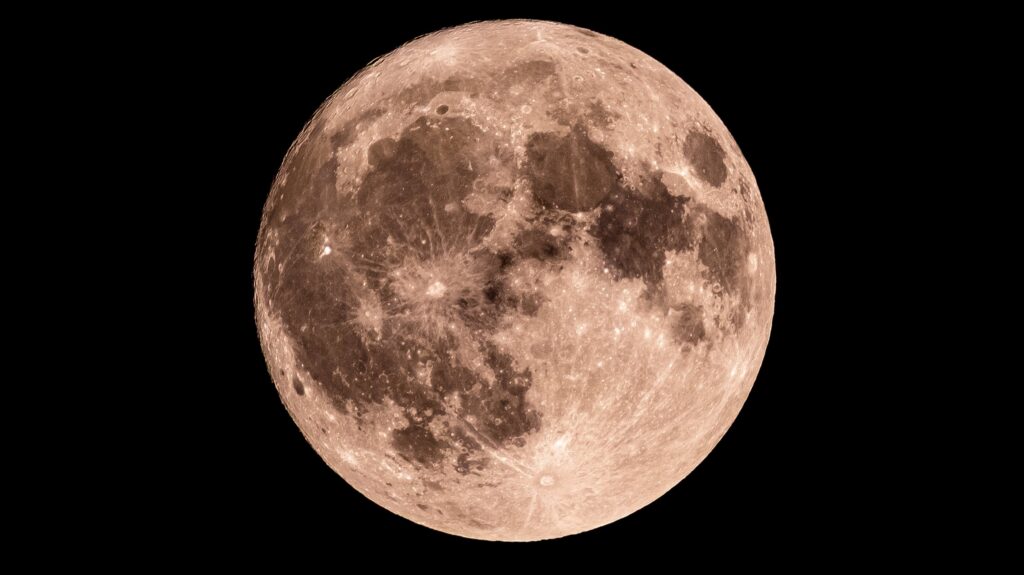
For those venturing outside, the Moon’s surface is home to several easily identifiable features. Without any visual aids, observers can spot the Mares Crisium, Mares Fecunditatis, and Mares Serenitatis. For a more detailed view, binoculars will reveal the Endymion Crater and the Posidonius Crater. Using a telescope can enhance the experience even further, allowing viewers to locate the landing sites of Apollo 11 and Apollo 17, as well as the Rupes Altai.
The upcoming lunar calendar also features significant dates. The next full moon will occur on January 3, following the last full moon on December 4.
Understanding Lunar Phases
Understanding the Moon’s changing appearance involves recognizing its various phases. According to NASA, the lunar cycle spans approximately 29.5 days, during which the Moon orbits Earth and presents different faces to observers. The same side of the Moon always faces Earth, but the amount of sunlight reflecting off its surface changes, creating the appearance of different phases.
The lunar phases include:
– **New Moon**: The Moon is positioned between Earth and the Sun, rendering it invisible from our vantage point.
– **Waxing Crescent**: A small sliver of light appears on the right side in the Northern Hemisphere.
– **First Quarter**: Half of the Moon is illuminated on the right side, resembling a half-moon.
– **Waxing Gibbous**: More than half of the Moon is lit, but it is not yet full.
– **Full Moon**: The entire face of the Moon is illuminated.
– **Waning Gibbous**: The Moon begins to lose light on the right side.
– **Third Quarter (or Last Quarter)**: Another half-moon, but the left side is now illuminated.
– **Waning Crescent**: A thin sliver of light remains on the left side before the Moon goes dark again.
Understanding these phases enhances the experience of observing the Moon and provides insight into its relationship with Earth. As the lunar cycle continues, enthusiasts can look forward to a range of views and opportunities for exploration in the night sky.