



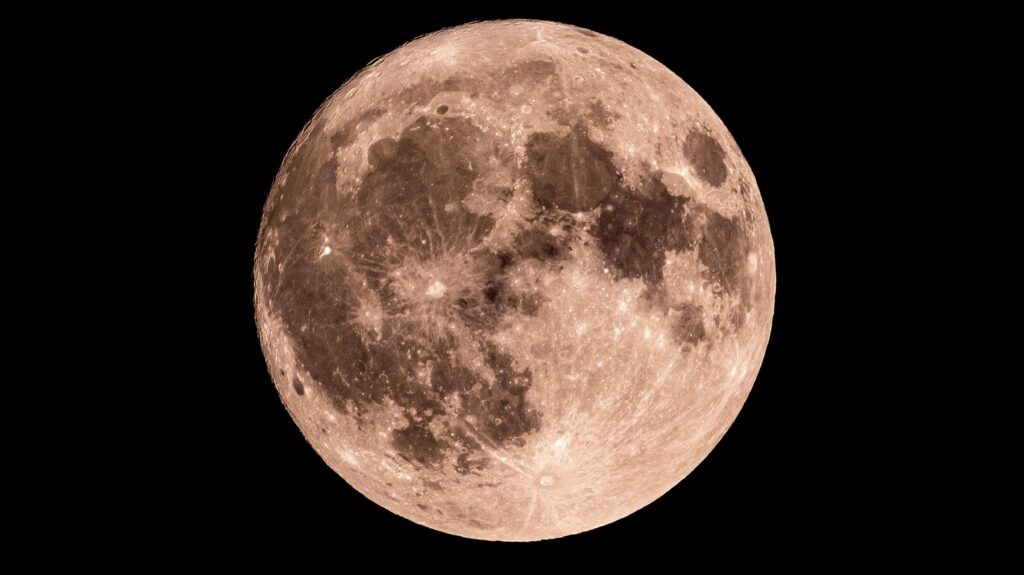
On January 11, the Moon will enter its Waning Crescent phase, signifying the final stage before the upcoming New Moon. This phase occurs as part of the lunar cycle, which lasts approximately 29.5 days and includes a full orbit of the Moon around Earth.
As of tonight, around 42% of the Moon’s surface will be illuminated, making it an excellent opportunity for stargazers. According to NASA’s Daily Moon Guide, observers can easily identify key lunar features with the naked eye, including the Aristarchus Plateau, Kepler Crater, and Tycho Crater. For those equipped with binoculars, the Grimaldi Basin, Clavius Crater, and Mare Humorum also become visible. Telescope users can delve deeper, spotting historic sites such as the Apollo 12 landing area and the Schiller Crater.
Upcoming Lunar Events
The next Full Moon will take place on February 1, following the most recent Full Moon on January 3. Understanding the phases of the Moon is essential for astronomy enthusiasts and curious observers alike.
NASA explains that the Moon’s phases are a result of its position relative to Earth and the Sun. The same side of the Moon is always visible from our planet, but the amount of sunlight reflected changes as it orbits. This leads to the various phases we can observe:
– **New Moon**: The Moon is positioned between Earth and the Sun, rendering it invisible.
– **Waxing Crescent**: A small portion of the Moon’s right side begins to illuminate.
– **First Quarter**: Half of the Moon is lit on the right, resembling a half-Moon.
– **Waxing Gibbous**: More than half is illuminated, nearing the Full Moon.
– **Full Moon**: The entire face is illuminated and clearly visible.
– **Waning Gibbous**: The Moon starts to lose light on the right side.
– **Third Quarter (Last Quarter)**: The left side is illuminated, appearing as another half-Moon.
– **Waning Crescent**: A thin sliver remains lit on the left before the Moon becomes dark again.
The lunar cycle plays a crucial role in various cultural and scientific contexts, influencing tides, agriculture, and even folklore. As tonight’s Waning Crescent Moon graces the night sky, it offers a moment for reflection before the cycle begins anew.


