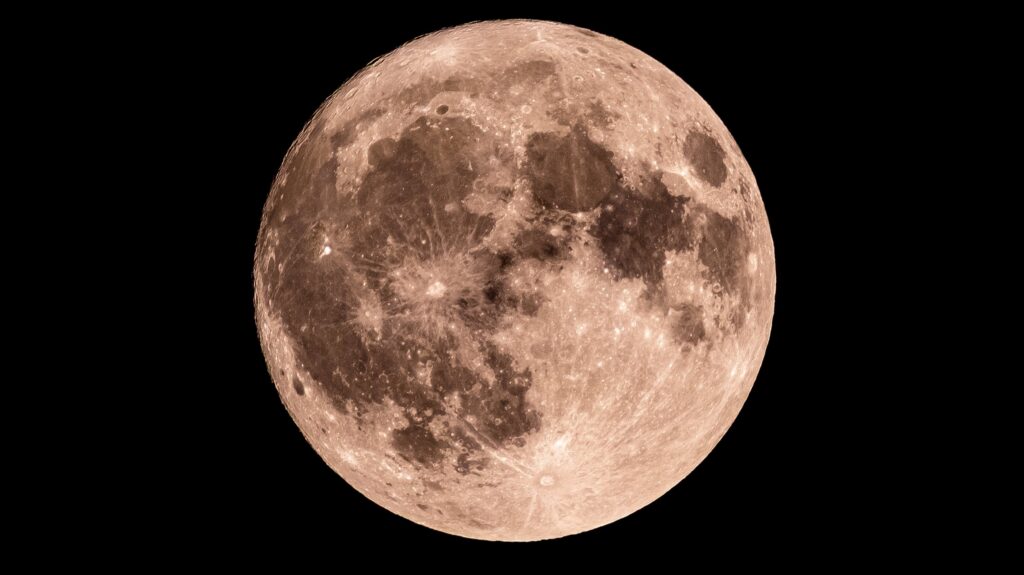
The Moon enters a new cycle as of December 26, 2023, presenting a Waxing Crescent phase. Tonight, approximately 37% of the Moon’s surface will be illuminated, offering a splendid view for stargazers. According to NASA’s Daily Moon Observation, observers can spot various lunar features without any visual aids, including the Mares Crisium, Fecunditatis, and Serenitatis.
For those equipped with binoculars, additional details such as the Endymion Crater and Posidonius Crater become visible. Using a telescope enhances the experience further, allowing viewers to locate the historic Apollo 11 and Apollo 17 landing sites, as well as the prominent Rupes Altai.
Upcoming Lunar Events
The next full moon is anticipated on January 3, 2024, following the last full moon on December 4, 2023. This upcoming lunar event is likely to attract considerable interest among astronomy enthusiasts and casual observers alike.
Understanding lunar phases can enrich the experience of observing the night sky. The Moon undergoes a complete cycle approximately every 29.5 days, known as the lunar cycle. During this time, it transitions through various phases as it orbits Earth, each phase reflecting different amounts of sunlight.
An Overview of Lunar Phases
The Moon’s phases are categorized into eight main stages:
– **New Moon**: The Moon is positioned between Earth and the Sun, rendering it invisible from our perspective.
– **Waxing Crescent**: A small sliver of light appears, growing on the right side in the Northern Hemisphere.
– **First Quarter**: Half of the Moon is illuminated on the right side, resembling a half-moon.
– **Waxing Gibbous**: More than half of the Moon is lit, but it has not yet reached full illumination.
– **Full Moon**: The entire face of the Moon is visible and fully illuminated.
– **Waning Gibbous**: The Moon starts to lose light from the right side.
– **Third Quarter (or Last Quarter)**: Another half-moon, but this time, the left side is lit.
– **Waning Crescent**: A thin sliver of light remains visible on the left side before the Moon goes dark again.
This cycle explains the changing appearance of the Moon, although the same side consistently faces Earth. The variation in sunlight reflects off the lunar surface, creating the varying appearances we observe throughout the month.
With each lunar phase, opportunities for observation and exploration abound, making the Moon a captivating subject for both seasoned astronomers and newcomers to stargazing. As the waxing crescent graces the night sky tonight, it serves as a reminder of the beauty and complexity of our celestial neighbor.