



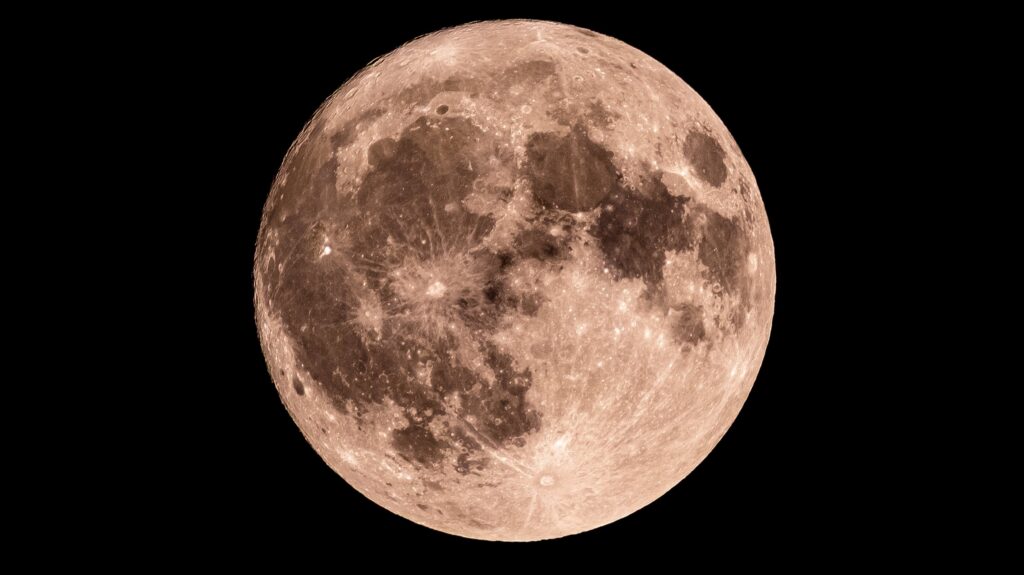
The lunar landscape will present a stunning view tonight as the Moon reaches its **Waning Gibbous** phase on **March 7, 2024**. Approximately **85%** of the Moon will be illuminated, offering a remarkable opportunity for both casual observers and astronomy enthusiasts to appreciate its features.
Understanding the Lunar Cycle
The Moon undergoes a continuous cycle of phases, taking about **29.5 days** to complete one orbit around Earth. This cycle includes eight unique phases, each defined by the varying amounts of sunlight reflecting off the Moon’s surface. As the Moon orbits, the illuminated portion changes, leading to the different appearances we observe from Earth.
The current Waning Gibbous phase signifies that while the Moon is still predominantly illuminated, it is beginning to lose light after the recent Full Moon. Observers should be able to see significant surface features tonight, including the **Aristarchus Plateau**, **Kepler Crater**, and **Tycho Crater** without any visual aids.
Enhancing Your Viewing Experience
For those equipped with binoculars, additional features such as the **Grimaldi Basin**, **Gassendi Crater**, and the **Apennine Mountains** become visible. A telescope will reveal even more detailed aspects of the lunar surface, notably the sites associated with the **Apollo 11** mission and the **Fra Mauro Highlands**.
As the Moon continues its cycle, the next Full Moon is anticipated on **April 1, 2024**, making tonight an ideal time for lunar observation as the Moon transitions towards its next phase.
The eight distinct lunar phases include:
1. **New Moon**: The Moon is positioned between Earth and the Sun, rendering it invisible.
2. **Waxing Crescent**: A small sliver of light appears on the right side.
3. **First Quarter**: Half of the Moon is illuminated on the right side.
4. **Waxing Gibbous**: More than half is lit, but not yet full.
5. **Full Moon**: The entire face of the Moon is illuminated.
6. **Waning Gibbous**: The Moon begins to lose light on the right side.
7. **Third Quarter**: Half of the Moon is illuminated on the left side.
8. **Waning Crescent**: A thin sliver of light remains before the Moon goes dark again.
With tonight’s Waning Gibbous phase, stargazers can enjoy a captivating view of the Moon, along with a deeper understanding of its position in the lunar cycle. Whether using the naked eye or telescopic aids, the beauty of the Moon promises an engaging experience for all.