



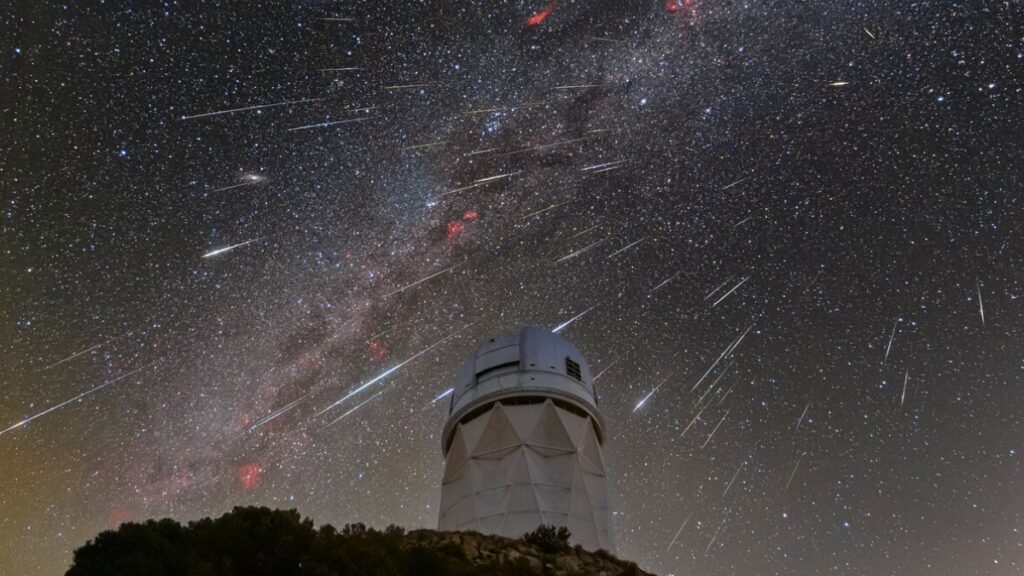
December marks the peak of meteor season in the northern hemisphere, with two significant meteor showers occurring in rapid succession. The Geminids meteor shower is set to reach its peak on the evening of December 13 and the early morning of December 14, 2025. During this time, viewers may see up to 150 meteors per hour, particularly around 08:00 UTC (03:00 EST), providing an exceptional opportunity for stargazers.
What to Expect from the Geminids
The Geminids are renowned for their intensity and brightness, often outperforming the more famous Perseids meteor shower, which occurs every August. According to Diana Hannikainen, Editor in Chief of Sky & Telescope, “Although the Perseids are better known, the Geminids usually put on a better show. Just make sure to bundle up!”
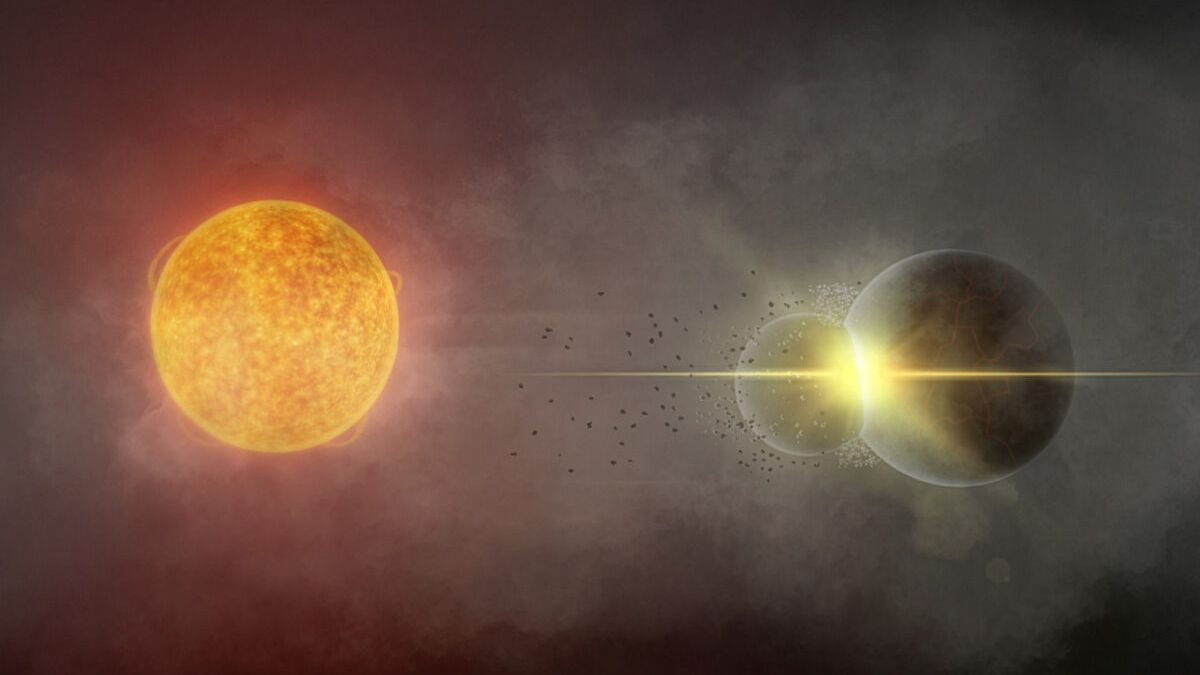
This shower derives from its parent body, 3200 Phaethon, an unusual celestial object that exhibits characteristics of both asteroids and comets. As it follows an elliptical orbit around the Sun, it releases debris that Earth encounters, resulting in stunning meteoric displays. The Geminids appear to radiate from a point near the constellation Gemini, specifically above the star Castor.
What makes the Geminids particularly captivating is their relatively slow fall through the atmosphere, which allows for a prolonged viewing experience, although they may not leave bright trails like some other meteor showers. This year, conditions are favorable for viewing, as the Moon will be in its waning crescent phase, approximately 26 percent full, minimizing its glare and enhancing visibility.
Upcoming Meteor Events
For those unable to catch the Geminids, the Quadrantids meteor shower will peak on the night of January 2, 2026. However, this event coincides with a full Moon, which may obscure visibility. Therefore, the Geminids present the best chance for a spectacular meteor experience before the arrival of the Lyrids in April 2026.
No special equipment is required to enjoy the Geminids; simply find a dark area away from city lights, lie back, and enjoy the celestial show. With clear skies expected, this event promises to be a memorable highlight for astronomy enthusiasts and casual viewers alike.