Recent advancements in science have unveiled intriguing developments, including a potential new use for garlic mouthwash, the discovery of an effective cancer treatment derived from Japanese tree frogs, and the identification of a protein that could predict heart disease more accurately than cholesterol alone. These findings not only enhance our understanding of health but also open doors for innovative treatments.
Protein Discovery Enhances Heart Disease Prediction
Research has identified C-reactive protein as a more reliable biomarker for predicting heart disease than cholesterol. The study emphasizes that cholesterol is merely one component of a larger picture. According to the researchers, “Cholesterol is only part of the story; it is, in fact, the immune system that facilitates each step in the processes that drive heart disease.” This insight could lead to improved diagnostics and preventative measures for cardiovascular issues.
Storm Disruption Affects US Time Standard
In a remarkable twist of physics, a significant storm in Colorado caused the US official time standard to slow by 4.8 microseconds. This change occurred as a result of the storm interrupting atomic clocks’ connections to measurement systems. While this duration is minuscule—approximately 572,000 microseconds for a single blink of an eye—it serves as a fascinating illustration of how environmental factors can impact precise scientific measurements.
Frogs Yield New Anti-Cancer Treatment
A notable breakthrough in cancer research has emerged from an unexpected source: the gut bacteria of the Japanese tree frog. Researchers discovered that these bacteria demonstrated the ability to eliminate tumors in mice after just one dose. The treatment operates on dual fronts—attacking tumor tissue and enhancing the body’s immune response by mobilizing T cells, B cells, and neutrophils. This discovery could pave the way for new cancer therapies based on natural compounds.
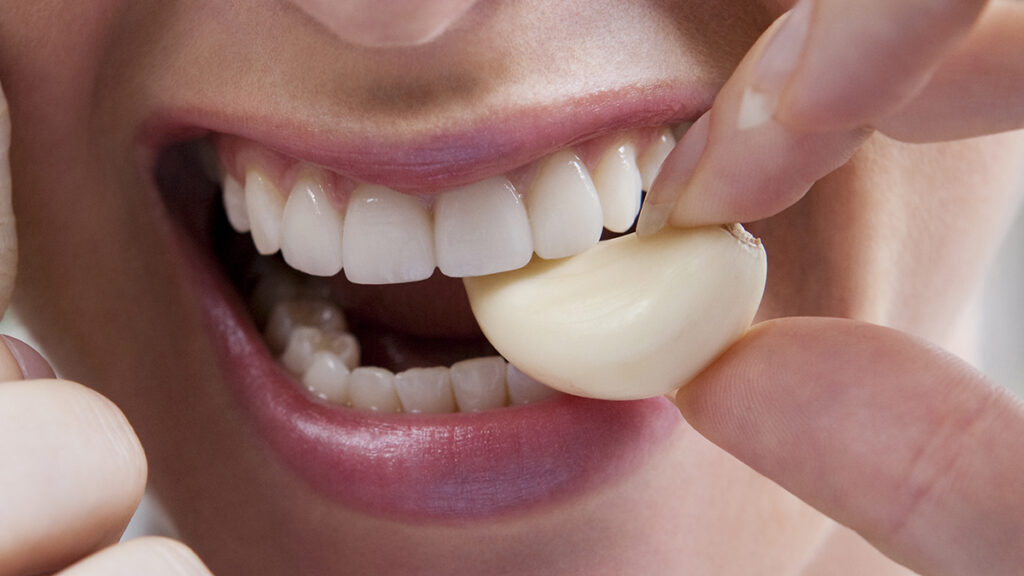
Garlic Mouthwash: A Potential New Standard
A recent review study suggests that garlic extract could emerge as an effective alternative to traditional mouthwashes. The study found that garlic-based mouthwash was comparable to existing chlorhexidine-based options in reducing harmful oral bacteria, specifically Mutans Streptococci, which is primarily responsible for tooth decay. Researchers are optimistic about the potential for garlic mouthwash to become a new gold standard in dental hygiene.
Fusion Reactors and the Quest for Dark Matter
Physicists are exploring innovative methods to detect dark matter particles, specifically axions, through interactions in nuclear fusion facilities. Their mathematical analysis indicates that axion-like particles could arise from neutron-capture interactions, or from energy release during neutron collisions with other particles. This research could provide critical insights into the elusive nature of dark matter.
Alzheimer’s Breakthrough with New Drug
In an exciting development for Alzheimer’s research, a drug named NU-9 has successfully halted the disease’s progression before symptoms appeared in mice. The drug works by clearing clumps of precursor proteins from the brain. Neurobiologist William Klein stated, “If someone has a biomarker signaling Alzheimer’s disease, then they could start taking NU-9 before symptoms appear.” This advancement, combined with emerging diagnostic blood tests, holds promise for early intervention in Alzheimer’s treatment.
These discoveries highlight the dynamic nature of scientific research and its capacity to revolutionize health and technology, offering hope for future advancements across various fields. As researchers continue to uncover these groundbreaking findings, the implications for public health and scientific understanding are profound.