



On January 3, 2026, the full Wolf Supermoon will make an extraordinary appearance, showcasing one of the brightest displays the Moon can offer. This remarkable brightness is due to a rare combination of celestial events, including the Moon’s proximity to Earth and its alignment with the Sun.
A full supermoon occurs when the full phase of the Moon coincides with perigee, the point in its orbit where it is closest to our planet. On this date, the Moon will be approximately 362,312 kilometers (or 225,130 miles) from Earth, resulting in an increase in apparent size and brightness of about 14 percent and 30 percent, respectively, compared to its farthest distance. While this distance is slightly greater than the Cold Supermoon observed on December 4, 2025, the additional brightness from other factors promises a dazzling experience.
This year’s Wolf Supermoon will also coincide with perihelion, which occurs shortly before the full moon. During perihelion, Earth reaches its closest point to the Sun, approximately 147,099,900 kilometers (around 91,403,640 miles) away, about 3.4 percent closer than at aphelion, its farthest point. This enhanced solar energy contributes an additional boost in brightness, enhancing the Moon’s radiance.
Ideal Conditions for Moon Gazing
For those in the Northern Hemisphere, January 3 offers an optimal opportunity for moon gazing. During this period, cold air typically results in lower humidity, leading to clearer skies. This means that viewers can enjoy the spectacle without the need for special equipment—just a warm blanket and a clear view of the sky.
Supermoons are a natural outcome of the elliptical shape of the Moon’s orbit. While the average distance from the Earth is about 384,400 kilometers (or 238,855 miles), the Moon’s path brings it closer or farther at various points throughout the year. Approximately 13 perigees occur each year, but only a select few coincide with a full or new Moon, qualifying them as supermoons.
Interestingly, the perigee distances can vary significantly due to gravitational influences from the Sun and the long-term dynamics of the Earth-Moon relationship. Similarly, perihelion affects Earth’s orbit, bringing it nearer to the Sun each January. This year, the synergy of the Wolf Moon, perigee, and perihelion creates a unique cosmic event that will not be repeated until November 24, 2026.
The Significance of the Wolf Moon
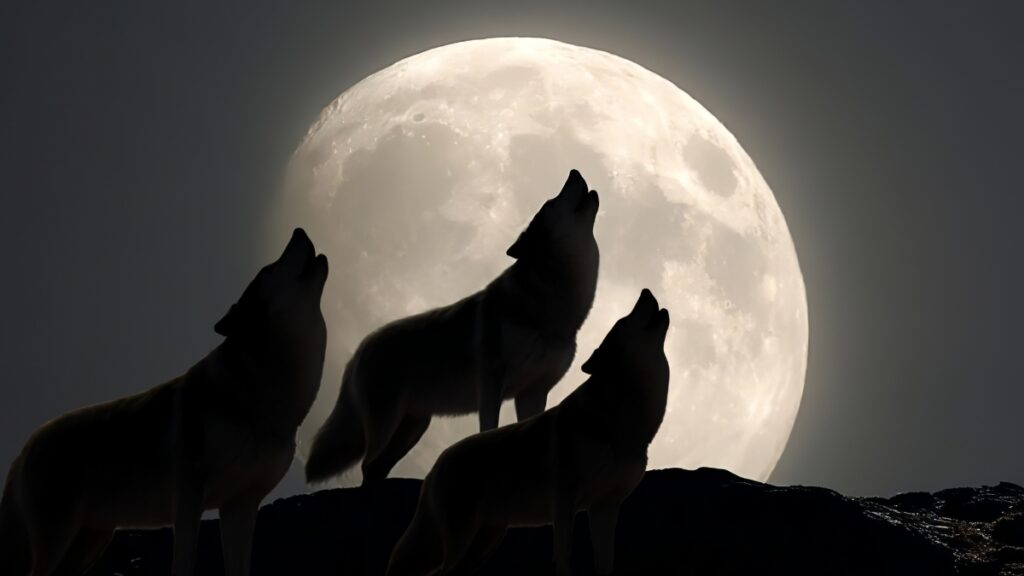
The term “Wolf Supermoon” derives from the traditional name for January’s full Moon, which is associated with the howling of wolves during the cold winter months. This January’s event, however, is particularly special due to its convergence with two other astronomical phenomena, creating what some might humorously call a “Three Wolf Moon.”
As a last chance to witness a full supermoon until late 2026, this celestial event invites enthusiasts and casual observers alike to step outside and appreciate the beauty of our closest celestial neighbor. Whether you are an experienced astronomer or simply someone looking to enjoy the night sky, the Wolf Supermoon on January 3 promises to be a breathtaking sight.