




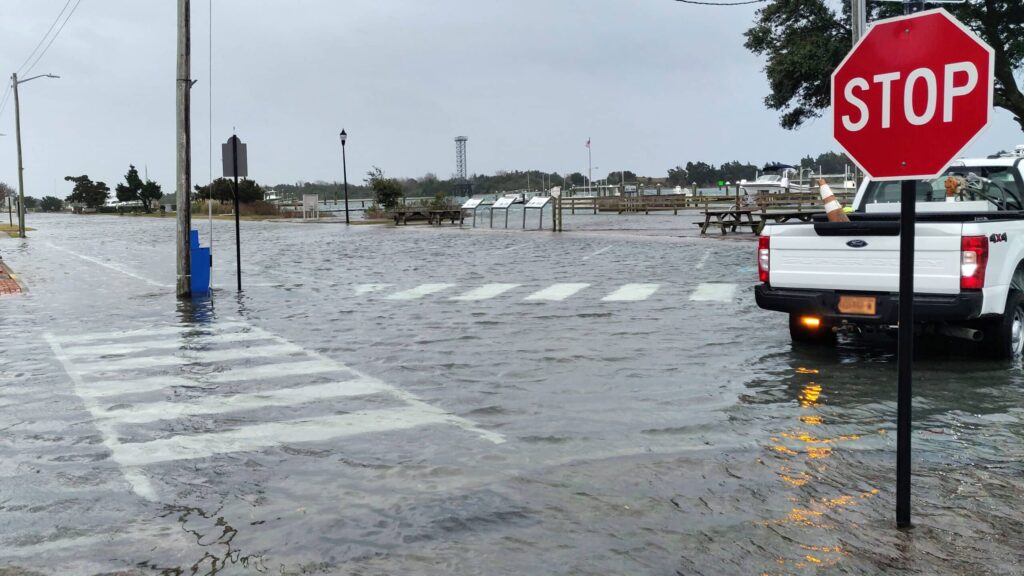
Researchers at North Carolina State University have introduced a novel approach aimed at enhancing the resilience of municipalities against climate change. The proposed strategy, termed “compounded resilience,” encourages local governments to leverage opportunities that not only mitigate the adverse impacts of climate change but also cut down the greenhouse gas emissions that contribute to the problem.
According to Christopher Galik, a professor of public administration at North Carolina State University and the corresponding author of the research paper, local governments are already grappling with the consequences of climate change. “There are more extreme weather events, such as hurricanes and flooding, which force municipalities to make decisions about how, where, and – in some cases – whether to rebuild,” he explained. This shifting climate is influencing residential patterns, prompting municipalities to rethink new developments to accommodate growing populations.
Implementing Resilient Policies
The research suggests that the current challenges present a unique opportunity for local governments to adopt policies that enhance infrastructure and community preparedness for the new realities created by climate change. Georgina Sanchez, co-author of the study and director of research engagement at NC State’s Center for Geospatial Analytics, emphasized that policies designed to promote adaptation strategies can be strategically linked with initiatives to reduce greenhouse gas emissions. This integrated approach is what the researchers define as “compound resilience.”
Sanchez noted the complexities involved in instituting new zoning laws and construction regulations, which can be costly and politically contentious. “If communities are already having to build or rebuild in response to climate change, implementing compound resilience policies may be more feasible,” she stated. This perspective highlights the dual benefits of addressing immediate infrastructural needs while simultaneously preparing for future climate challenges.
Economic Incentives for Resilience
Municipalities are increasingly competing to attract individuals and businesses displaced by climate change. “There is an incentive for local governments to present themselves as safe places for people to move and invest,” Galik said. However, the research warns that if no proactive measures are taken, the shifts in population could inadvertently lead to an increase in greenhouse gas emissions.
“The argument we are making here is that there is both a need and an opportunity to adopt compound resilience policies,” Galik added. These policies not only facilitate community growth but also enhance the overall quality of life for residents. For instance, incorporating greenhouse gas efficiency measures into new construction projects is generally more cost-effective than retrofitting existing buildings. Sanchez noted that such measures improve energy efficiency and can ultimately lower costs for property owners.
“Thinking about these ways to improve efficiency at the same time we are considering climate resilience strategies, such as fire resistance or flood mitigation, presents tremendous advantages for local governments and the people who call those places home,” she explained.
The research paper, titled “Compounded Resilience: A Step Towards Achieving Climate Mitigation and Adaptation in the U.S. Built Environment,” is published open access in the journal Mitigation and Adaptation Strategies for Global Change. This work highlights the pressing need for local governments to adopt comprehensive strategies that address both climate adaptation and mitigation, ensuring communities are better prepared for the challenges ahead.


