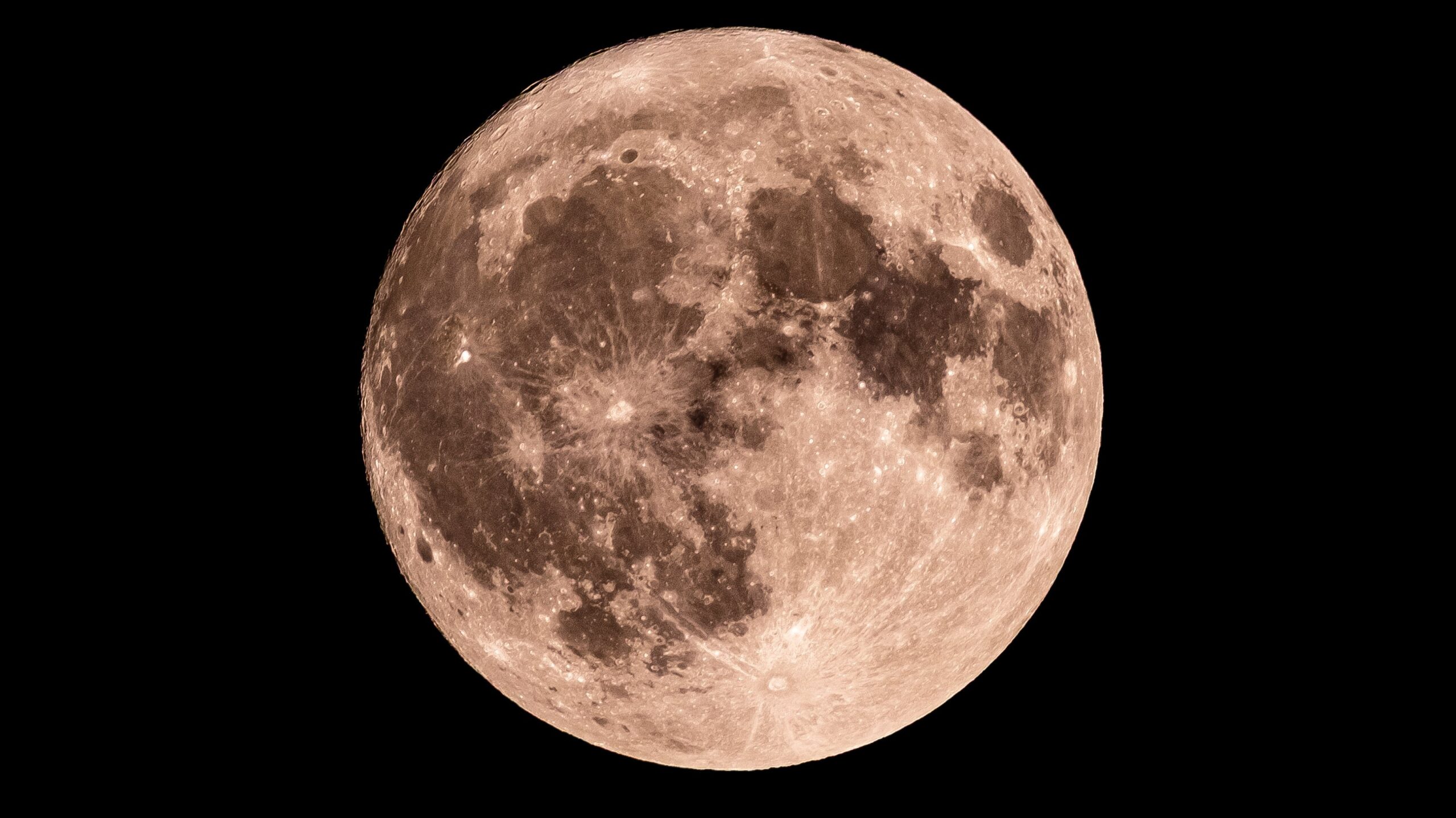





NASA has confirmed that the asteroid known as 2024 YR4 will not collide with the Moon in 2032. Initial concerns last year indicated a slight possibility of impact due to uncertainties in the asteroid’s orbital trajectory. However, recent observations from the James Webb Space Telescope have clarified its path, ensuring that it will safely bypass the lunar surface.
The information was released following a comprehensive analysis of the asteroid’s trajectory. Scientists noted that while earlier data had prompted discussions about potential risks, the latest findings have effectively ruled out any chance of a collision. This news brings relief to astronomers and space enthusiasts alike, who had been closely monitoring the asteroid’s movements.
Details on Asteroid 2024 YR4
Asteroid 2024 YR4 was first identified in 2024 and has since been a subject of interest due to its proximity to Earth. Measuring approximately 200 meters in diameter, it falls within the category of near-Earth objects. The James Webb Space Telescope, launched in late 2021, has played a crucial role in refining our understanding of such celestial bodies. Its advanced imaging capabilities allow scientists to track and predict the orbits of asteroids with remarkable precision.
NASA’s announcement underscores the importance of continuous monitoring of asteroids that could pose risks to Earth or its natural satellites. By utilizing cutting-edge technology, agencies can accurately assess threats and provide timely updates to the public.
The Bigger Picture
Asteroids like 2024 YR4 serve as a reminder of the dynamic nature of our solar system. While the immediate threat has been eliminated in this case, scientists remain vigilant. The potential for asteroid impacts, whether on Earth or the Moon, highlights the ongoing need for investment in planetary defense initiatives.
As space exploration continues to advance, the collaboration between telescopes like the James Webb Space Telescope and organizations such as NASA will be vital in ensuring the safety of our planet. The reassurance that 2024 YR4 will miss the Moon allows researchers to focus on other pressing astronomical phenomena, further expanding our knowledge of the universe.
In conclusion, the confirmation from NASA regarding 2024 YR4 not only alleviates immediate concerns but also emphasizes the efficacy of modern astronomical tools in monitoring and understanding our cosmic environment.