This week in scientific advancements, researchers have made significant strides in various fields, from establishing a standard measure for cannabis use to uncovering ancient lifeforms that challenge our understanding of biological classification. Key findings include the discovery of the world’s oldest rock art and insights into health implications of vaccines and gut bacteria.
Standard Measure for Cannabis Use Proposed by UK Scientists
Researchers in the United Kingdom have introduced a new standard measure for cannabis consumption, termed THC units. This measure aims to assist users and healthcare professionals in monitoring intake effectively. For instance, a typical 0.45-gram joint of potent herbal cannabis can contain approximately 12.78 THC units, while weaker, seeded varieties may contain around 3.78 THC units. This new classification could pave the way for more precise dosing and safer consumption practices.
Ancient Organisms Challenge Classification in Tree of Life
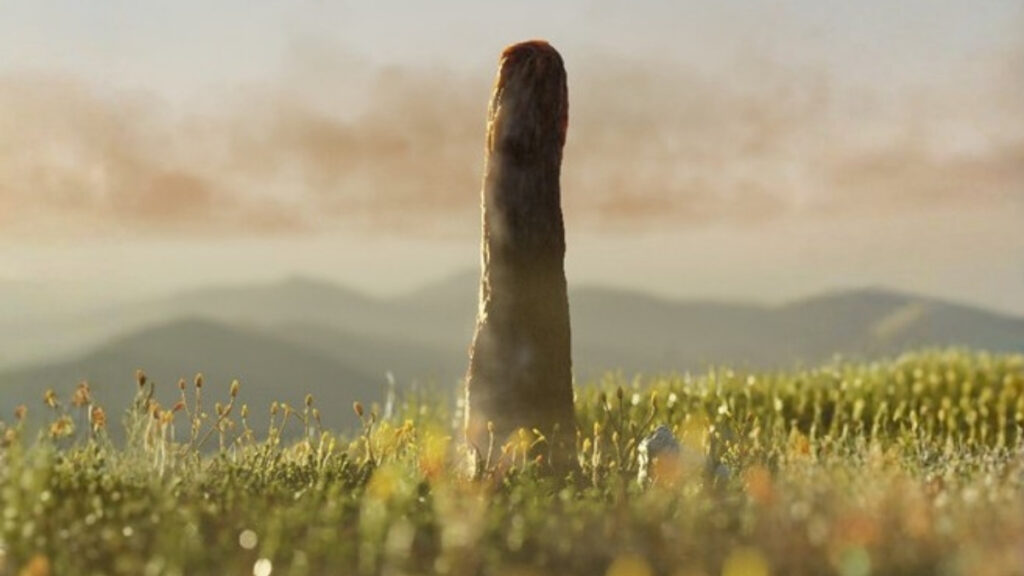
A recent study has examined the Prototaxites, towering organisms that reached heights of 8 meters (26 feet) around 400 million years ago. Despite extensive research, scientists have found that these ancient lifeforms do not fit into any existing categories within the tree of life. Through detailed microscopic analysis and chemical assessments, researchers eliminated potential classifications, ruling out fungi, plants, and even animal relationships. This finding raises intriguing questions about biodiversity and evolution in ancient ecosystems.
According to the study, the unique anatomical structure of Prototaxites defies any known connections to modern organisms, suggesting a previously unrecognized form of life.
Gut Bacteria Linked to Alcohol Production Identified
In another significant health discovery, researchers have pinpointed E. coli and K. pneumoniae as the primary bacteria responsible for a rare syndrome where alcohol is produced in the gut after consuming food. This condition, which can lead to intoxication without alcohol consumption, may benefit from dietary changes or treatments such as stool transplants or probiotics. These findings could provide relief for affected patients by promoting a healthier balance of gut microbiota.
World’s Oldest Rock Art Uncovered in Indonesia
Archaeologists have uncovered what is believed to be the world’s oldest known rock art in a cave located in Indonesia. Dated to at least 67,800 years ago, this discovery adds depth to our understanding of early human culture. According to Maxime Aubert, an archaeologist at Griffith University in Australia, this finding may indicate a more profound cultural tradition than previously recognized, suggesting that many similar discoveries could be forthcoming.
Innovative Low-Calorie Sugar with Health Benefits
In a promising development for those managing blood sugar levels, scientists have discovered a method to produce a natural sugar called tagatose. This sugar is reported to be 92% as sweet as sucrose but contains only 30% of the calories. Importantly, tagatose does not cause insulin spikes, making it a potentially beneficial alternative for individuals with diabetes or those concerned about blood glucose levels.
Shingles Vaccine Linked to Reduced Biological Aging
A study involving 3,800 individuals over the age of 70 has found that the shingles vaccine may contribute to slower biological aging and reduced inflammation. Conducted by gerontologists Jung Ki Kim and Eileen Crimmins from the University of Southern California, the findings suggest that the vaccine could have broader, long-lasting effects on age-related health processes.
These diverse discoveries highlight the ongoing advancements in scientific research, revealing new insights into health, history, and the natural world. As scientists continue to explore these areas, the implications for society and our understanding of life continue to evolve.