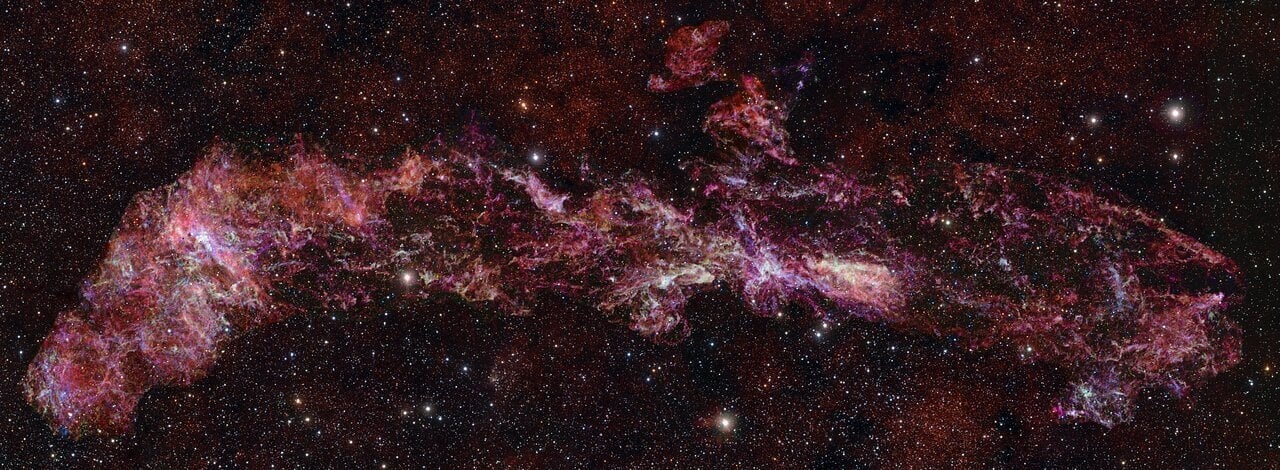




A new five-year survey of the Large and Small Magellanic Clouds, led by a research group at the Leibniz Institute for Astrophysics Potsdam (AIP), aims to provide significant insights into these neighboring dwarf galaxies. The Large Magellanic Cloud (LMC), located approximately 163,000 light-years from Earth, and the Small Magellanic Cloud (SMC), at about 206,000 light-years, serve as excellent laboratories for studying galactic evolution and formation due to their close proximity to our own galaxy, the Milky Way.
This ambitious project will allow astronomers to delve deeper into various aspects of the Magellanic Clouds, including their structure, star formation processes, and interactions with the Milky Way. The findings from this survey could illuminate broader questions about galaxy formation and evolution, shedding light on the dynamics that shape galaxies across the universe.
Exploring Galactic Neighbors
The Magellanic Clouds are irregular dwarf galaxies, making them unique compared to more typical spiral galaxies. Their distinctive characteristics have made them subjects of interest for astronomers for decades. The LMC and SMC are not only satellites of the Milky Way but also share a complex gravitational relationship with it, influencing their respective formations and behaviors.
The AIP’s new initiative marks a significant step in enhancing our understanding of these celestial bodies. By employing advanced observational techniques and state-of-the-art technology, researchers hope to collect data that has not been previously accessible. This includes detailed measurements of stellar populations and the tracking of gas movements within the galaxies.
Implications for Astronomical Research
As scientists gather and analyze data from the survey, the implications could extend beyond the Magellanic Clouds themselves. Understanding their properties and interactions may provide critical insights into the nature of galaxy formation and the evolution of galaxies over time.
The project is expected to facilitate collaboration among international researchers, bringing together expertise from different fields of astronomy. Such cooperation could enhance the depth of analysis and interpretation of the findings, fostering a more comprehensive understanding of our galactic neighborhood.
The results of the survey will be shared with the broader scientific community, contributing to ongoing discussions about the origins and developmental trajectories of galaxies. As research progresses over the next five years, the Magellanic Clouds may reveal not only their own mysteries but also those of the universe at large, enriching our knowledge of the cosmos.