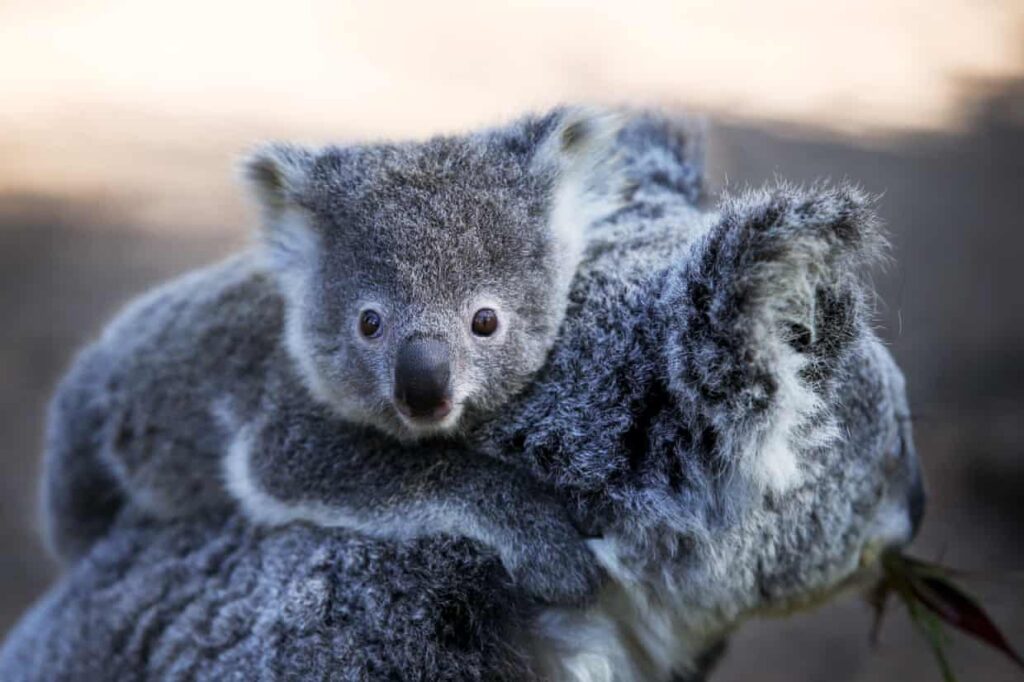
The first comprehensive survey of koalas in New South Wales has revealed that the population of the endangered marsupial is significantly higher than previously estimated. Released on March 21, 2024, by the NSW government, the survey suggests there are approximately 274,000 koalas across the state, a substantial increase from earlier estimates that ranged from 15,000 to 30,000 animals.
This extensive survey involved more than 1,000 locations across national parks, state forests, and private land, employing advanced technologies such as heat-detecting drones and acoustic recorders. The survey data was collected through over 6,500 kilometers of nighttime drone flights and more than 400,000 hours of acoustic recording conducted during the breeding season of koalas. This data was then used to model both the occupancy and abundance of koalas throughout the state.
Understanding the Data
While the new estimate reflects the use of more accurate technology and thorough survey efforts, experts caution that it does not necessarily indicate a real increase in the koala population. Mathew Crowther, a professor of quantitative conservation biology at the University of Sydney, emphasized that the figures are modelled estimates and advised against overreacting to the numbers. “It’s a baseline,” he stated. “We should be more interested in not the number of koalas but what’s happening to the koalas—are they declining or increasing, or are they disappearing from areas? Ongoing monitoring is crucial.”
Crowther pointed out that certain regions of NSW are experiencing significant declines in koala populations, with areas such as the far west, the Pilliga region, and much of the south coast showing “notable absences” of koalas.
Tanya Pritchard, senior manager of koala recovery at the World Wide Fund for Nature-Australia, acknowledged the updated estimate as valuable information but reiterated that it does not imply an overall increase in koala populations. “New approaches like scanning with thermal drones, and an increased search effort mean we’re getting better at finding existing koalas,” she said. “But make no mistake, koalas have suffered a massive decline.”
Ongoing Threats and Conservation Efforts
Despite the higher population estimate, the NSW government maintains that koalas remain endangered, facing numerous threats such as habitat loss, disease, vehicle strikes, and the impacts of climate change. Penny Sharpe, the state environment minister, commented on the significance of the survey results, stating, “This survey gives us a clearer understanding of where koalas remain in NSW. It is an important tool to guide conservation decisions.”
The data will also inform the ongoing plans of the Minns government to establish the Great Koala National Park, which aims to add 176,000 hectares of forest to existing reserves, creating one of the largest national parks in the state.
James Griffin, the Coalition’s environment spokesperson, praised the previous government’s NSW koala strategy, noting its role in providing vital insights for better conservation efforts. He stated, “The data from the koala monitoring program demonstrates the importance of continued investment in koala conservation and sustainable population growth across the state.”
In contrast, Sue Higginson, the NSW Greens environment spokesperson, highlighted the need to focus on overall population health and viability rather than just numbers. “What we need to focus on at all times is the actual conservation status of koalas in NSW,” she remarked. “What we know is we are losing populations, habitat is being destroyed, and animals are sick and being killed by road strikes at rates never seen before.”
As the situation for koalas evolves, continued monitoring and adaptive conservation strategies will be essential to ensure the survival of this iconic species in Australia.