Researchers at the Hong Kong Polytechnic University (PolyU) have developed an innovative “ultra-stable mucus-inspired hydrogel” (UMIH) that could significantly improve healing processes in gastrointestinal wounds. This advancement addresses a critical limitation of traditional hydrogels, which often degrade in acidic environments such as the stomach.
Inspired by the natural properties of gastric mucus, the PolyU team has engineered UMIH to adhere 15 times more effectively than standard gastric mucosal protectants. This remarkable adhesion could enhance wound repair and facilitate targeted drug delivery, opening pathways for large-scale commercialization.
Research Collaboration and Findings
The research was conducted in collaboration with experts from Sichuan University. Results indicate that UMIH markedly enhances gastrointestinal wound healing in animal models, surpassing the efficacy of clinically approved mucosal protectants. The study titled “Mucus-inspired hydrogels with protonation-driven adhesion for extreme acidic conditions” was published in Cell Reports Physical Science.
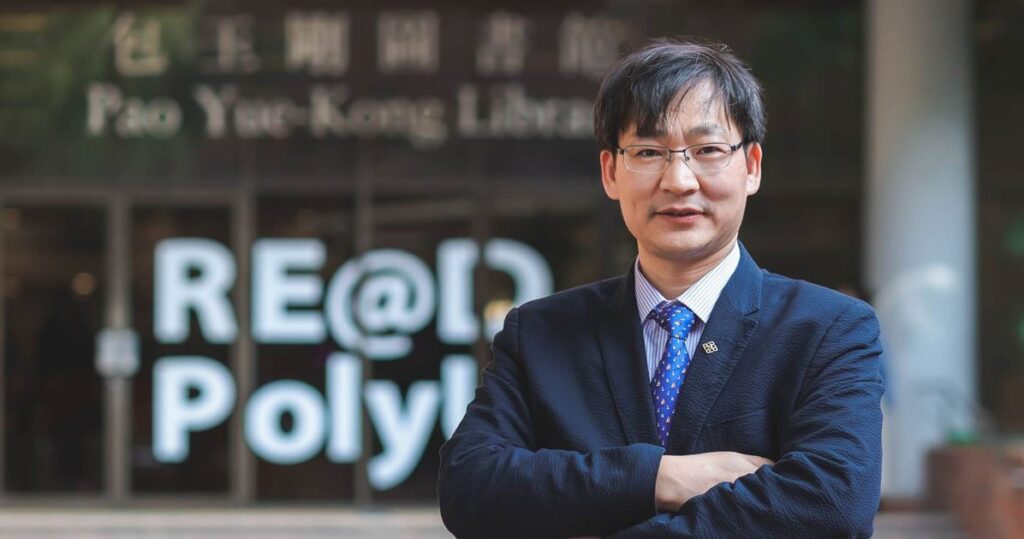
Prof. WANG Zuankai, who led the study, highlighted the potential applications of UMIH in treating conditions such as gastroesophageal reflux and gastric ulcers. He stated, “UMIH shows promise in treating gastroesophageal reflux and gastric ulcers, and in protecting post-surgical wounds.” The hydrogel can also be integrated with endoscopic drug delivery systems for minimally invasive therapy.
Key Properties and Advantages
The study compared UMIH’s performance against aluminium phosphate gel (APG), a widely used mucosal protectant. Under simulated gastric conditions with a pH of 2, UMIH demonstrated a wet adhesion strength of 64.7 kilopascals (kPa), significantly outperforming APG, which completely degraded after three days. In contrast, UMIH maintained approximately 50% of its structural integrity after seven days.
In vitro tests on gastrointestinal cells revealed no toxicity, while UMIH exhibited antibacterial properties by inhibiting the growth of Escherichia coli and Staphylococcus aureus. This dual functionality enhances its potential as a therapeutic agent.
The hydrogel’s formulation comprises a unique combination of three molecular components: ELR-IK24, which binds hydrogen ions to mitigate local acidity; tannic acid, which enhances adhesion; and HDI, which strengthens the hydrogel’s structure in acidic environments. Ms Yeung Yeung CHAU, a research associate involved in the project, emphasized that this synergistic approach allows UMIH to remain stable while also maintaining its softness and injectability, essential for clinical applications.
Dr Xiao YANG, a postdoctoral fellow on the research team, explained the results of animal testing. “We tested UMIH in pig and rat models of esophageal injury. Compared with control animals and APG-treated animals, UMIH adhered more firmly to wound faces and improved healing,” he noted.
While clinical trials will be essential to validate UMIH’s safety and effectiveness in human applications, its low cost and ease of mass production position it well for future commercialization. The components used in UMIH have established safety profiles, making it suitable for immediate use in operating rooms and on production lines.
Looking to the future, the research team plans to integrate UMIH with drug release systems and flexible implantable electronics. This innovation aims to design smart gastrointestinal devices capable of real-time monitoring and treatment, potentially revolutionizing care in gastrointestinal medicine.