




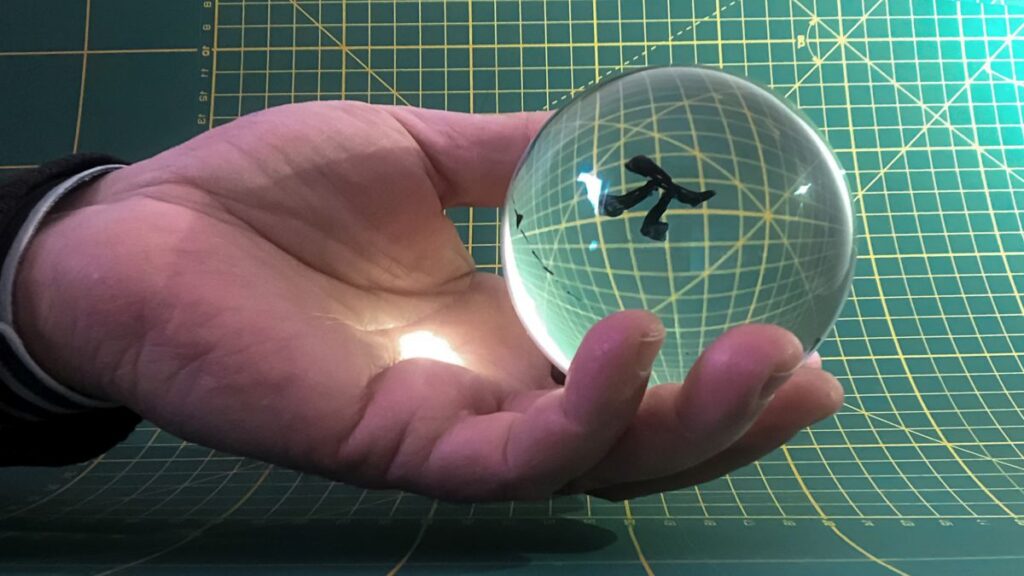
On March 14, 2024, known globally as Pi Day, a groundbreaking achievement in mathematics was unveiled when computer scientist Timothy Mullican announced he had calculated the digits of pi to an astonishing 62.8 trillion decimal places. This achievement not only sets a new world record but also significantly surpasses the previous record of 31.4 trillion digits established just two years earlier.
The record-breaking calculation was made possible through a combination of advanced algorithms and the powerful computing capabilities of Google Cloud. Mullican utilized a specialized program designed for high-precision calculations, demonstrating the potential of cloud computing in complex mathematical endeavors. The achievement was verified by the Pi-Calculation Research Institute, which confirmed the accuracy of the digits and the validity of the method used.
Innovations in Technology Propel Milestone
Mullican’s journey began in 2020 when he first embarked on the challenge of calculating pi to a greater precision. By leveraging cutting-edge technology and the vast resources of Google Cloud, he was able to significantly reduce the time required for calculations. The latest record took approximately 105 days to complete, a feat that was made possible by the efficiency of cloud infrastructure and the innovative algorithms developed by Mullican and his team.
In a statement following the announcement, Mullican expressed his excitement over the achievement, stating, “This record is not just about numbers; it represents the power of technology and the endless possibilities of mathematics.” His accomplishment has sparked renewed interest in the study of pi and its applications across various fields, from engineering to computer science.
Implications for Future Research
The implications of this achievement extend beyond mere bragging rights. The techniques and technologies developed during this endeavor could pave the way for advancements in fields that require high-precision calculations. For example, in data encryption and algorithms for artificial intelligence, the ability to compute large numbers accurately is crucial.
Furthermore, the collaboration with the University of Applied Sciences has opened doors for academic partnerships that could lead to further research and innovations in computational mathematics. As interest in pi continues to grow, so too does the potential for educational initiatives that could inspire future generations of mathematicians and scientists.
In conclusion, on this Pi Day, Mullican’s record not only celebrates a numerical milestone but also highlights the intersection of mathematics, technology, and human ingenuity. As we look to the future, the new record of 62.8 trillion digits of pi serves as a reminder of the limitless possibilities within the realms of science and technology.