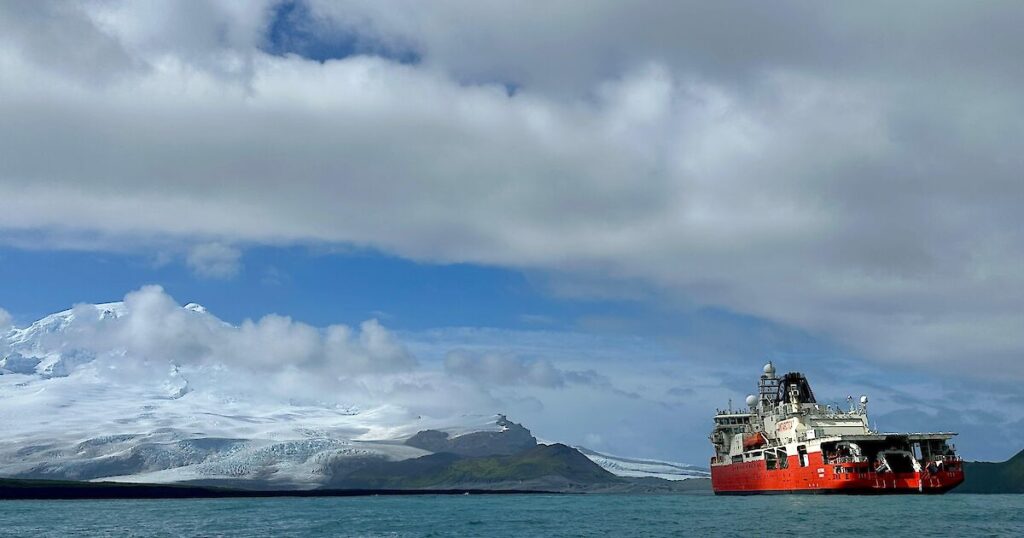
The research vessel RSV Nuyina has completed a significant expedition at Heard Island, returning to the ship after a week of extensive scientific work despite challenging weather conditions. The team conducted various activities, including wildlife monitoring and marine sampling, contributing valuable data to ongoing conservation efforts.
Fieldwork began with seal biologists traversing from Skua Beach to Fairchild Beach, where they counted over 1,000 fur seal pups. This count is part of a broader monitoring program aimed at understanding population dynamics in the region. Additionally, the team utilized drone surveillance to conduct wildlife monitoring and gather on-island samples, addressing the high priority of tracking threatened and endemic species, particularly after detecting Highly Pathogenic Avian Influenza (HPAI) in southern elephant seals during previous work.
Comprehensive Surveys and Sampling
The second phase of the project, referred to as V2, is expected to yield conclusive results following the analysis of aerial footage and collected samples. Marine scientists documented marine debris, retrieving a pallet of plastic and other materials from the island, which underscores the ongoing challenge of pollution in remote ecosystems.
Sampling efforts focused on invertebrates, with researchers successfully acquiring multiple species, including a nudibranch previously unknown to inhabit the Heard Island area. Approximately eight species of sea snail were also collected. The team deployed a remotely operated underwater vehicle at various sites, enhancing their ability to explore and document marine biodiversity.
The science tender also played a crucial role, retrieving a tide gauge left from the initial phase of the project, V1, which provided additional insights into environmental conditions. Notably, the team found organisms that had taken residence in the gauge, highlighting the interconnectedness of marine life.
Weather Challenges and Final Observations
Weather conditions proved particularly challenging during the expedition, especially over the past weekend when high winds affected operations. Despite these difficulties, the team persisted, returning to the ship on Sunday. A brief weather window on Wednesday allowed for the retrieval of all deployed gear and collected debris.
On the final night at Heard Island, the researchers enjoyed a rare opportunity: clear skies and a stunning sunset. Those who stayed up late were treated to a breathtaking aurora over Big Ben, creating a memorable conclusion to their time on the island.
The final day was dedicated to meticulously cleaning all gear, a crucial step in maintaining biosecurity and preventing the transfer of invasive species. Drone operations continued, and by 20:00, the team began their long journey home, concluding a successful chapter in their ongoing research efforts.