Arsenal’s recent loss to Aston Villa, decided by a last-minute goal at Villa Park, has raised concerns about the team’s depth amid mounting injury issues. This defeat has tightened the race at the top of the Premier League, with Arsenal’s lead over Manchester City now reduced to just two points. City capitalized on Arsenal’s slip, having secured a victory over Sunderland, intensifying the pressure on Mikel Arteta’s squad.
Despite the setback, Arsenal remains at the forefront of both the Premier League and Champions League, having won five out of five matches in the latter competition. Overall, they have a record of 17 wins, three draws, and only two losses in 22 games this season. The recent defeat against a resurgent Aston Villa ended an impressive unbeaten streak of 18 matches, which was the longest by any team in Europe’s top leagues this season.
Injury Toll Mounts for Arsenal
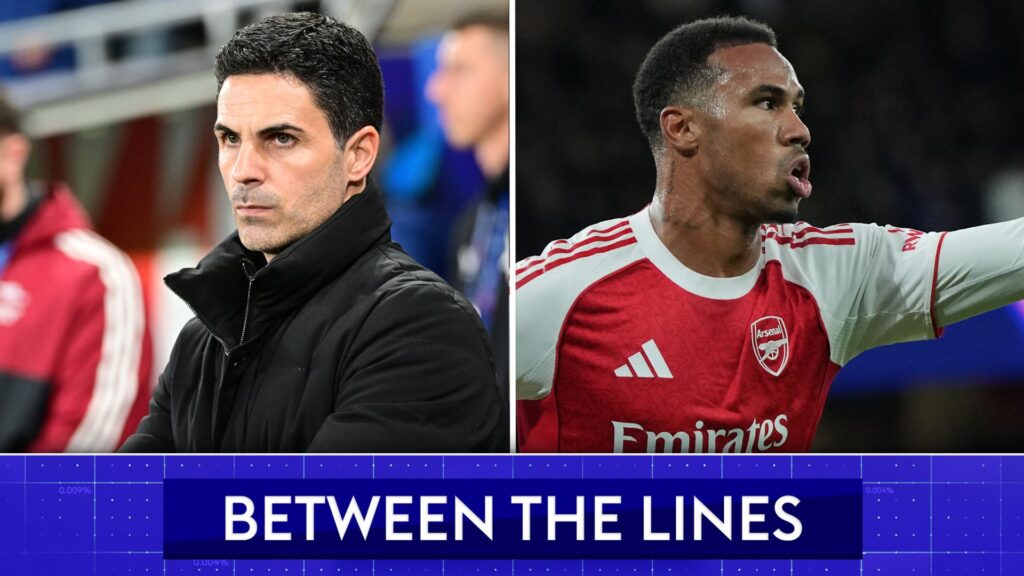
Arsenal is facing significant challenges this season, as they have recorded a staggering total of 26 injuries, second only to Leeds United in the Premier League. The current list of absentees includes key players such as centre-backs William Saliba, Gabriel Magalhaes, and Cristhian Mosquera, alongside midfielder Kai Havertz. Other crucial players like Martin Ødegaard, Bukayo Saka, and Gabriel Jesus have also experienced time away from the pitch due to injuries.
The injury situation has been alarming; 14 players have faced fitness issues this season, affecting over half of Arsenal’s first-team squad. Last season, the club finished second in the injury table, suffering a total of 67 injuries, only behind Brighton. Collectively, Arsenal and Brighton have recorded over 90 injuries in the last two seasons, raising questions about the team’s medical management and injury prevention strategies.
Critics have begun scrutinizing Arsenal’s medical department, but understanding the complexities of injury management makes assigning blame challenging. Mikel Arteta has maintained that many injuries were beyond his control, although patterns of recurring hamstring injuries suggest that players may have been overworked. While the team’s depth has increased this season with the addition of eight players for a combined £267 million, the current wave of injuries has put their squad depth to the test.
Cluster Injuries Complicate Season
The frequency and type of injuries have compounded Arsenal’s problems. In previous seasons, the team faced a concentration of injuries in specific positions, particularly in attack. This season, the issue has resurfaced, particularly with injuries to key players. An early-season injury to Havertz forced Arsenal to rely on Viktor Gyokeres, who subsequently sustained a groin injury, leaving midfielder Mikel Merino to step in as an improvised forward.
This clustering of injuries has been most evident in defense, where Arsenal has lost both Saliba and Gabriel, leading to a lack of rotation options. As a result, players like Jurrien Timber have had to adjust positions, adding further strain to the squad. The absence of both first-choice centre-backs has significantly impacted Arsenal’s defensive stability, with the team conceding in four of their last five matches, compared to just four goals conceded in the previous 17 games.
In the recent match against Aston Villa, Arsenal allowed chances that generated an expected goals total of 2.16, illustrating their uncharacteristic vulnerability. The challenges are compounded by a demanding fixture schedule, having faced several high-profile matches in quick succession against teams like Spurs and Bayern Munich.
As Arsenal prepares for their upcoming Champions League match against Club Brugge, the team must manage player fatigue effectively. Arteta’s squad has secured 15 points from their first five league matches, and with a focus on rotation, they may prioritize the forthcoming Premier League game against Wolves.
Injuries have taken their toll, but there may be light at the end of the tunnel. Saliba is reportedly days away from a return, while Gabriel and Havertz could also be back in contention soon. Following the match against Wolves, Arsenal will enjoy a rare free midweek before facing Everton, providing an opportunity to regroup and address the ongoing injury crisis.
As Arsenal navigates this challenging period, they will need to leverage their recently strengthened squad to maintain their position at the top of the league and continue their impressive Champions League campaign.