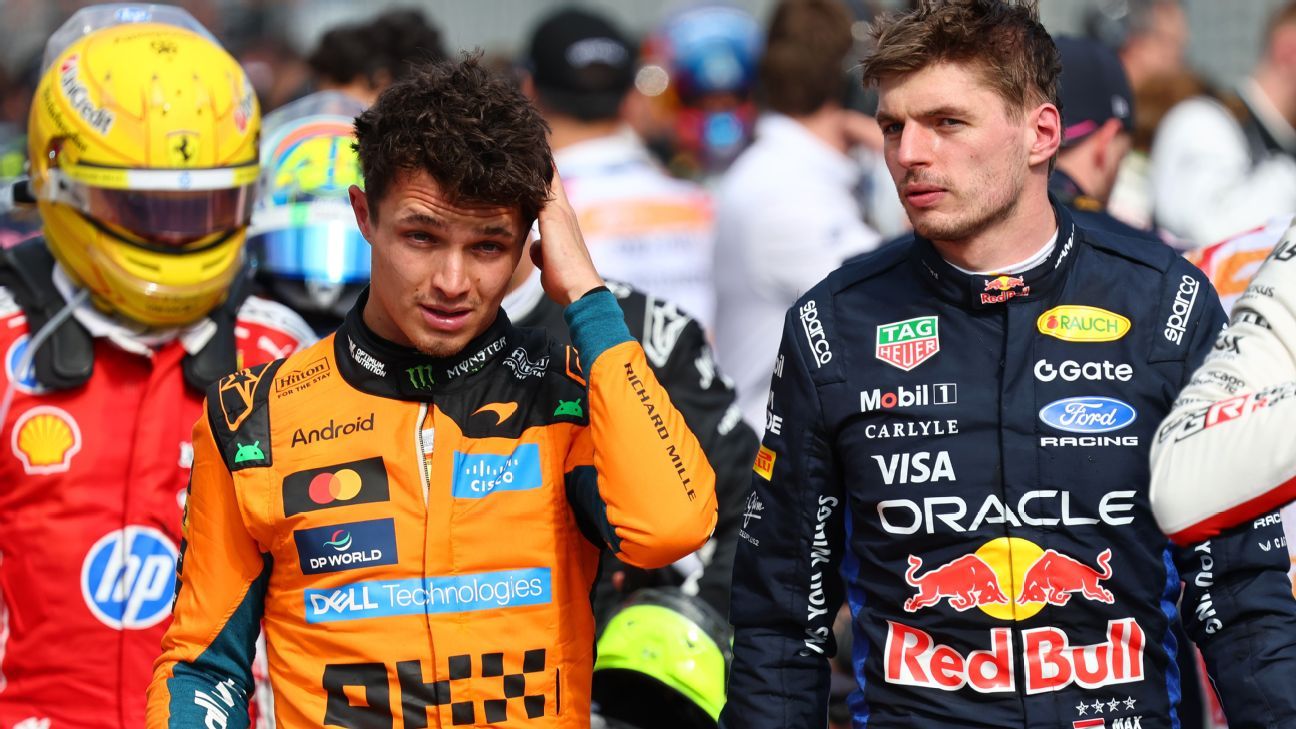

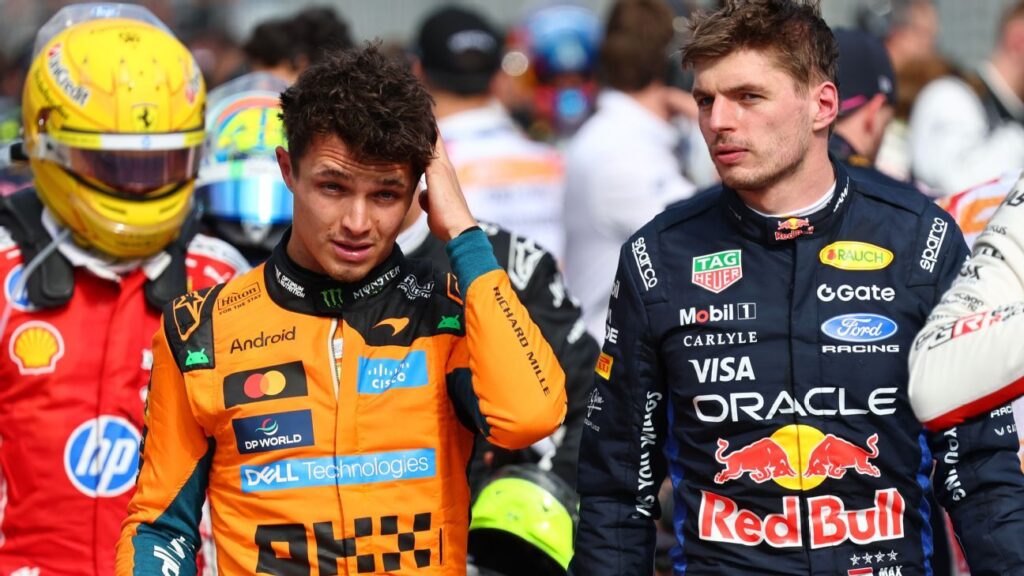
The opening race of the 2026 Formula 1 season at the Australian Grand Prix has ignited significant discussions, particularly regarding the future of star driver Max Verstappen. Following a challenging weekend, concerns have emerged about the impact of new car regulations on Verstappen’s performance and his potential departure from the sport.
Verstappen’s frustrations were evident throughout the event, culminating in a surprising crash during qualifying. This incident has fueled speculation about his commitment to F1, as he has long hinted at the possibility of leaving if he finds the sport unappealing. In a post-race interview, he did not dismiss concerns about his future, stating, “I think what they should worry about is the rules, just focus on that.” This comment underscores his desire for changes to the current regulations, which he believes are hindering competitive racing.
Assessing the New Regulations
The introduction of energy-dependent cars has drawn mixed reactions. While the Australian Grand Prix showcased some thrilling overtakes, many drivers expressed dissatisfaction with how the new regulations affect racing dynamics. George Russell and Charles Leclerc engaged in a notable battle during the race, but some observers noted that their exchanges appeared overly reliant on energy management, raising questions about the authenticity of the racing experience.
The FIA and F1 teams are already in discussions to address these issues, but immediate fixes seem unlikely. The challenges stem from the hybrid turbo systems at the heart of the new cars, which may not be compatible with the layout of the Albert Park circuit. Several drivers highlighted that the circuit’s design was not ideal for the new engines, complicating energy harvesting during the race.
While Verstappen’s complaints should be taken seriously, it is equally important to recognize the broader context. The potential for significant changes to the regulations looms, but if improvements are not implemented quickly, top drivers may seek alternatives.
Team Performances and Future Prospects
Beyond Verstappen’s situation, the performance of various teams at the Australian Grand Prix revealed stark contrasts. Mercedes showcased considerable strength, with Russell securing a commanding victory. The team achieved a front-row lockout during qualifying, although Ferrari demonstrated resilience with strong race starts, indicating a competitive season ahead.
In contrast, Aston Martin faced significant challenges, with revelations about car vibrations posing risks to drivers Fernando Alonso and Lance Stroll. The team struggled to even complete a race distance without multiple pit stops, raising concerns about its competitiveness for the remainder of the season.
Meanwhile, Audi made an impressive debut, with Gabriele Bortoleto finishing in eighth place. This strong performance positions Audi as a potential contender in the midfield, ahead of its rivals. The team appears well-equipped to tackle the challenges posed by the current regulations and is set to develop further.
As the F1 season progresses, the outcomes of discussions surrounding these new regulations will be closely monitored. The implications for drivers like Verstappen and teams like Aston Martin could shape the competitive landscape and influence the sport’s future direction.
The Australian Grand Prix has set the stage for what promises to be a thrilling and contentious season in Formula 1.